
First Time at Le Mans: Complete Beginner’s Guide

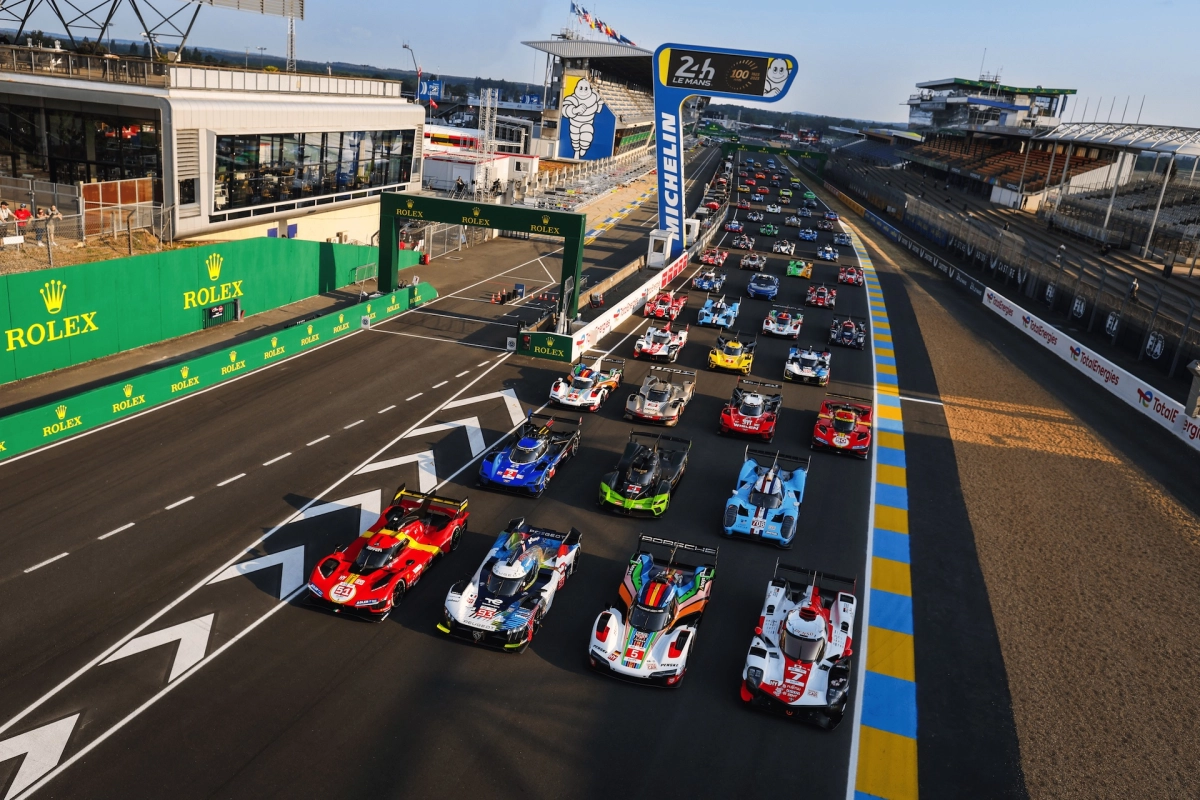
A practical first-timer guide to the 24 Hours of Le Mans — what ticket to buy, where to watch, where to stay, what to pack and how to make sense of a 24-hour race.
For a first visit to Le Mans, buy early, choose flexibility over perfection, and treat the weekend as a 24-hour motorsport festival rather than a normal race day. A general admission ticket is usually the best starting point because it lets you move between viewing areas, fan zones, campsites and the village. If your budget allows, add a reserved grandstand seat so you have somewhere guaranteed for the start, the finish or any point when you are tired, wet or crowded out.
The simplest first-time plan is to arrive before race day, learn the layout while the circuit is quieter, watch the start from a grandstand or big-screen area, move around during the evening, experience the cars at night, sleep in shifts if needed, then return for sunrise and the final hours.
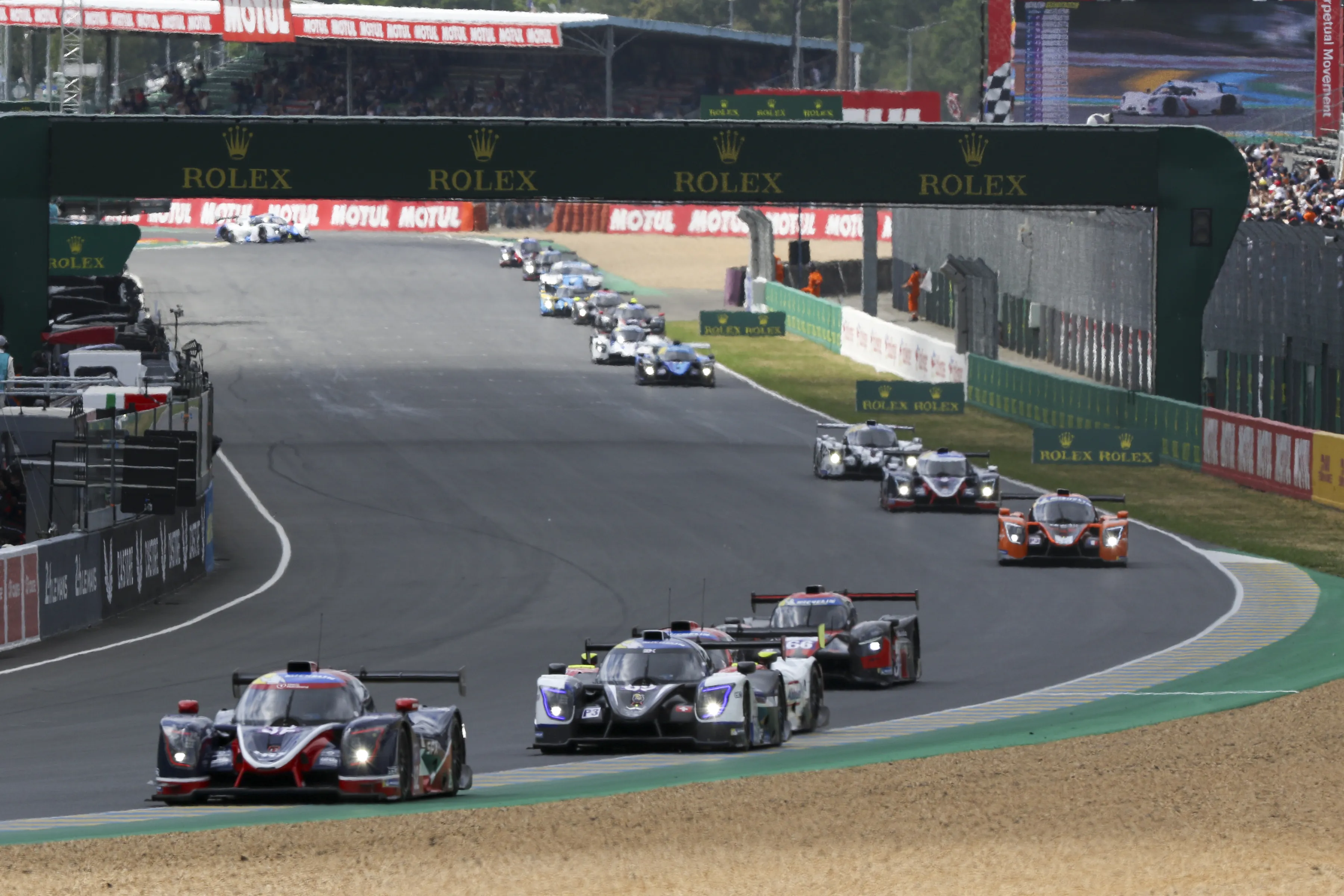
Le Mans works for many types of motorsport fan, but the best version of the trip depends on what you want from the weekend. A first-timer who wants the classic atmosphere should prioritise general admission, walking the circuit and seeing at least one stint after dark. A serious endurance fan will get more from a full-week ticket because practice, qualifying, Hyperpole, support races and scrutineering help the race build properly. A casual fan may prefer a shorter weekend plan with a grandstand seat, a hotel in the city and a realistic sleep schedule.
- First-timers: General admission plus a reserved grandstand. You get freedom to explore without losing the comfort of a guaranteed seat.
- Full atmosphere: On-site camping. It is noisier and less comfortable than a hotel, but it is where much of the Le Mans culture lives.
- Comfort: A hotel or apartment in Le Mans city. It costs more and books quickly, but proper sleep can make Sunday far more enjoyable.
- Experienced fans: Full race week. Arriving early gives you time to understand the venue, watch night practice and avoid feeling rushed.
- Mixed groups: A flexible plan with meeting points. Some people will want to chase viewing spots; others will want food, shade, sleep or the fan zone.
What makes Le Mans different?
Le Mans is not just a long race. It changes personality hour by hour. The opening laps feel like a sprint, the evening becomes tactical as temperatures drop, the middle of the night is about survival and concentration, and sunrise often reveals which teams have quietly built a winning position. The final hours can still change everything because tired drivers, worn cars, traffic, rain and safety cars never stop mattering.
The circuit also feels enormous compared with most venues. You will not see the whole lap from one place, and that is part of the appeal. A good Le Mans weekend is built around movement: watch a stint, change location, follow timing, eat, rest, and repeat. The trade-off is that it can be physically demanding. Long walks, queues, tired legs and changing weather are all part of the event, so comfort planning matters as much as ticket choice.
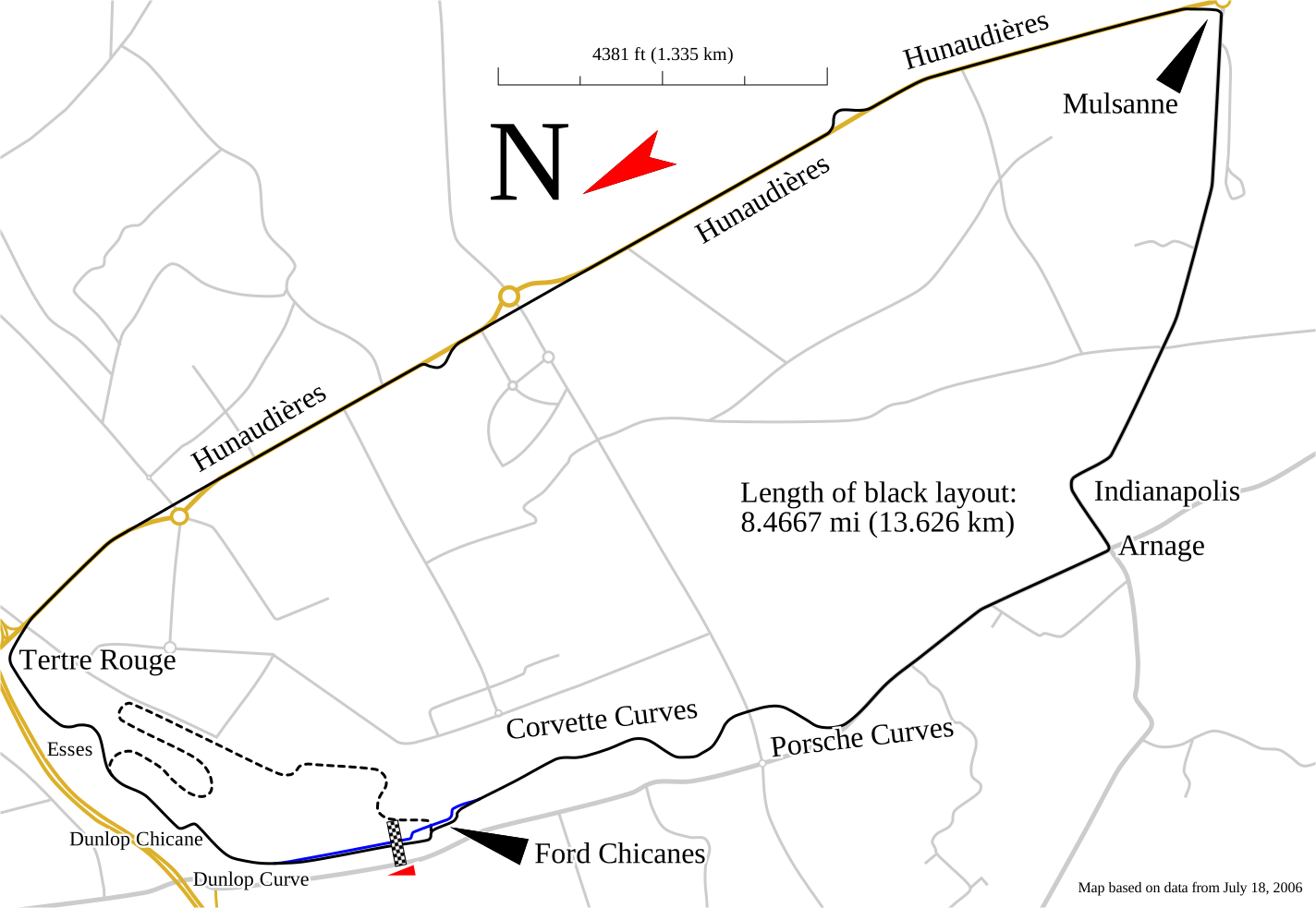
Learn the basic layout before you go
What ticket should a beginner buy?
Most first-timers should start with general admission. It gives you access to the core Le Mans experience: walking the venue, trying different viewing areas, spending time in the fan village and choosing your own rhythm during the 24 hours. The downside is that popular spots get busy, and you may not always have somewhere comfortable to sit when the weather turns or the final hour approaches.
That is why the best beginner upgrade is usually a reserved grandstand. You do not need to sit there all weekend. Think of it as a base: useful for the start, the finish, rain showers, tired legs or moments when the crowd is too dense elsewhere. A grandstand near the start-finish area gives ceremony, pit-lane energy and big-screen context. A grandstand nearer Dunlop or Tertre Rouge gives more of a corner-viewing feel.
- General admission: Best value and best for exploring. Choose this if you want the classic roaming Le Mans weekend.
- Grandstand ticket: Best comfort upgrade. Choose this if you want a guaranteed seat for the busiest or most important moments.
- Full-week admission: Best for serious fans. Practice, qualifying and night running make the race easier to understand.
- Hospitality: Best for comfort, catering and premium facilities, but it can separate you from the raw campsite-and-crowd atmosphere many fans go for.
- Official resale: Worth monitoring if you miss the initial ticket release. Avoid informal resale unless you are completely confident the ticket is legitimate.
Where should you stay?
Your accommodation choice shapes the whole trip. Camping gives the most complete Le Mans experience because you are close to the race and surrounded by fans all week. You can return to your tent, van or pitch between stints, cook simple food and stay immersed in the event. The trade-off is obvious: it can be noisy, dusty, muddy, hot, wet and short on sleep.
Staying in Le Mans city is easier if this is your first endurance event or you are travelling with people who do not want the full campsite experience. A real bed, shower and quieter reset can make Sunday much more enjoyable. The compromise is cost, availability and the need to travel in and out of the circuit.
Staying farther away can work if you have a car and a very clear plan, but it is less forgiving. You may save money, yet lose spontaneity and spend more energy on logistics. For a first visit, staying either on-site or in the city is usually simpler.
Getting to Le Mans
This article focuses on the first-time race experience rather than travel logistics. For routes, transport options, parking, tram advice and arrival planning, read our dedicated guide here: How to get to Le Mans.
Where is the best place to watch?
There is no single best viewing spot at Le Mans. The best plan is to match the corner to the time of day and your energy level. Start with the obvious areas, then branch out once you understand the distances.
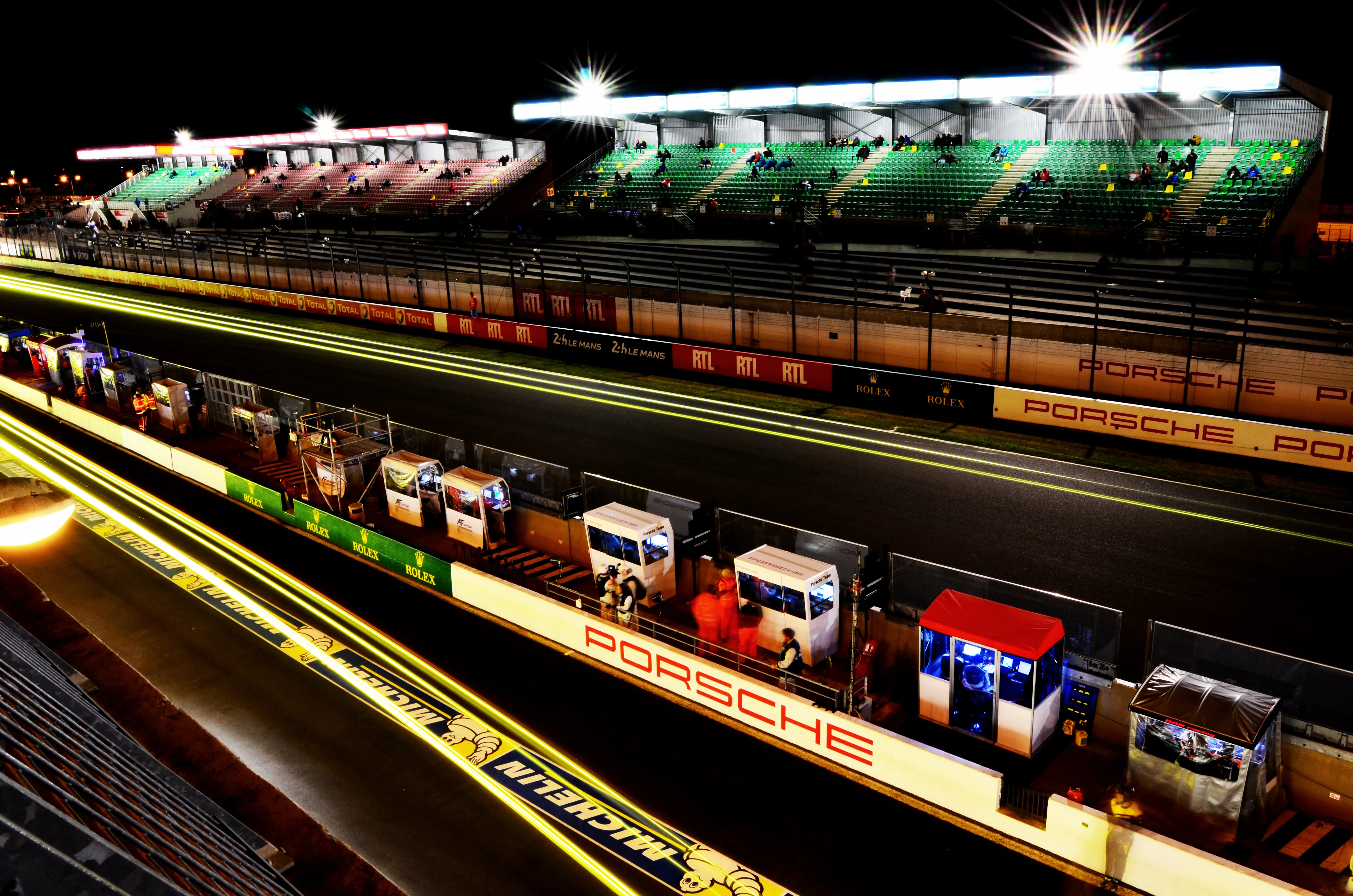
- Start-finish straight: Best for the build-up, start ceremony, pit stops, big screens and the finish. It is also one of the busiest areas, so a reserved seat helps.
- Dunlop Bridge and Esses: A classic first stop. You get elevation, crowd energy and a strong sense of the cars changing direction early in the lap.
- Tertre Rouge: One of the best places to feel the cars launch onto the Mulsanne Straight. It is especially good around dusk and into the night.
- Mulsanne Corner: A different mood from the main spectator zones. Heavy braking, lower speeds and a sense of being out on the road course.
- Indianapolis and Arnage: Excellent for night viewing. The braking, downshifts, glowing discs and traction make the cars feel alive.
- Porsche Curves: Fast and committed. Views can be more restricted, but the speed and rhythm are memorable.
- Ford Chicanes: Useful late in the race because you are close to the finish and can feel the final-lap tension building.
A simple first-time viewing plan
Do not try to watch all 24 hours from one place. Le Mans rewards movement, but it also punishes over-ambition. Use this as a loose plan rather than a strict schedule.
- Start: Watch from your grandstand, the start-finish area or a big-screen zone. The ceremony and first laps are worth seeing with a crowd.
- Early race: Move to Dunlop or the Esses once the opening rush settles. This gives you a better feel for the speed and class traffic.
- Dusk: Head toward Tertre Rouge if practical. The cars accelerating into the long straight as the light fades is a proper Le Mans moment.
- Night: Try Arnage or another slower corner if you have the energy. The glowing brakes and headlights make it feel completely different from daytime.
- Sunrise: Be trackside if you can. Sunrise is when the race starts to feel like an endurance contest rather than a long sprint.
- Finish: Return earlier than you think you need to. The final hour areas fill up, and the atmosphere is better if you are settled before the last laps.
How do you follow a 24-hour race?
The hardest part for new fans is often understanding what is happening. The car physically leading on track may not be leading after pit stops. A faster Hypercar will constantly pass slower GT traffic. A car can lose time to a slow puncture, a safety car, a penalty or a driver rotation without it being obvious from the spectator bank.
- Use live timing: Keep official timing open when signal allows. It tells you far more than the track view alone.
- Learn the classes: Hypercar, LMP2 and LMGT3 are not racing for the same trophy, even though they share the circuit.
- Pick a few cars: Follow one overall contender, one underdog and one GT entry. It makes the race easier to care about.
- Think in stints: Endurance racing is about fuel windows, tyre life, driver time, traffic and avoiding trouble.
- Check before you sleep: Note the leaders, gaps, retirements and weather. When you wake up, you can quickly understand what changed.
What should you pack?
Pack for comfort, not just for motorsport. Le Mans involves long walks, changing weather, late nights and a lot of standing around. The better prepared you are, the more energy you will have for the race itself.
- Comfortable walking shoes: More important than almost anything else. The venue is large and you will cover serious distance.
- Ear protection: Essential for children and still sensible for adults, especially if you spend long periods near braking zones.
- Waterproof jacket or poncho: Easier than relying on an umbrella in a crowd.
- Sun protection: Hat, sunglasses and sunscreen for exposed banks and queues.
- Portable battery packs: Timing, maps, photos and messaging will drain your phone.
- Head torch: Very useful for campsites, night walking and finding things in a bag.
- Refillable water bottle: Dehydration makes the long weekend harder than it needs to be.
- Offline copies: Save tickets, maps, campsite details and meeting points before you arrive.
Food, drink and staying comfortable
You can buy food and drink at the circuit, but queues and prices are part of any major event. Bring snacks for the moments when you are far from the village or do not want to leave a good viewing spot. If you are camping, a simple breakfast setup is a huge quality-of-life improvement.
The most common first-time mistake is pushing too hard too early. It is tempting to walk everywhere, stay up all night and survive on adrenaline, but the race is long enough for small discomforts to compound. Build in pauses before you need them. Sit down, drink water, change socks, charge your phone and give yourself permission to miss a few laps.
Suggested first-time itinerary
Wednesday or Thursday: Arrive, collect yourself, learn the layout and watch practice or qualifying if your ticket allows. Night practice is one of the best low-pressure ways to experience Le Mans after dark.
Friday: Use it as a reset day. Explore the city, visit the fan areas, check your supplies and avoid tiring yourself out before the race has even started.
Saturday: Get to your start-viewing area early. After the opening stint, let the crowd spread out before moving. Aim to watch dusk somewhere atmospheric and night racing somewhere with braking or traction.
Sunday: Try to be awake for sunrise. Later, move back toward your finish-viewing area earlier than seems necessary. The final hour is not just about the winner; it is about seeing which cars survived the full distance.
Common first-time mistakes
- Trying to see everything: You cannot do every corner, every support race, every fan zone and every city event. Prioritise the moments that matter most.
- Underestimating distance: The circuit is huge, and moving between areas can take much longer than expected.
- Ignoring the weather: June can still mean rain, cold nights, strong sun or muddy campsites.
- Forgetting sleep: Staying awake for the whole race sounds heroic, but a short rest can make Sunday much better.
- Not using live timing: Without timing or commentary, you will miss much of the strategy.
- Leaving the finish too late: The best final-hour areas fill quickly. Move early and settle in.
Is Le Mans good for children or casual fans?
Yes, but the trip needs to be realistic. Le Mans can be loud, crowded and tiring, so children need ear protection, shade, clear meeting points and proper breaks. Casual fans can still have a brilliant time because the event is much bigger than the racing: campsites, food areas, fan zones, the city atmosphere and night-time spectacle all help make it accessible.
For mixed-experience groups, avoid building the whole weekend around hardcore trackside endurance. Let people rest, explore, eat or return to camp without feeling they are missing the “right” way to do Le Mans. The best first visit is usually flexible rather than intense.
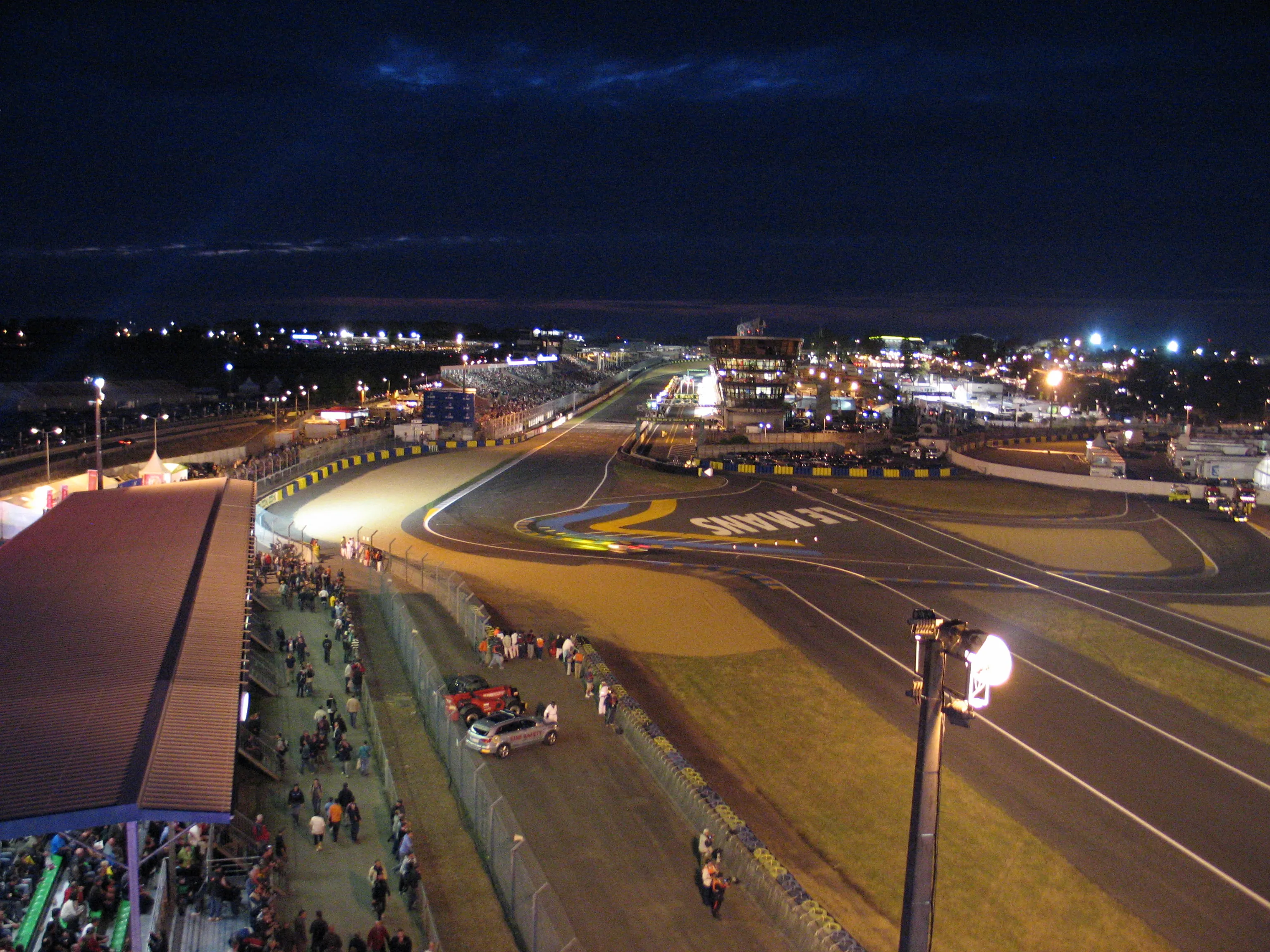
Your first Le Mans will probably feel bigger, louder and more tiring than expected. That is part of why people go back. It is not the easiest motorsport event to attend, and it rewards preparation more than most, but it also offers something few races can match: a full day and night of speed, noise, strategy, fatigue and atmosphere.
The best first-time Le Mans experience is not perfect. It is a mix of great views, tired feet, late-night noise, changing plans, half-understood strategy and a few unforgettable moments that make the whole trip worthwhile.
Information can change before race week. Always check the official 24 Hours of Le Mans website, ticket office, access maps, campsite instructions and event schedule before travelling. Image licences should also be checked on the original file pages before publication.
Related Articles
|
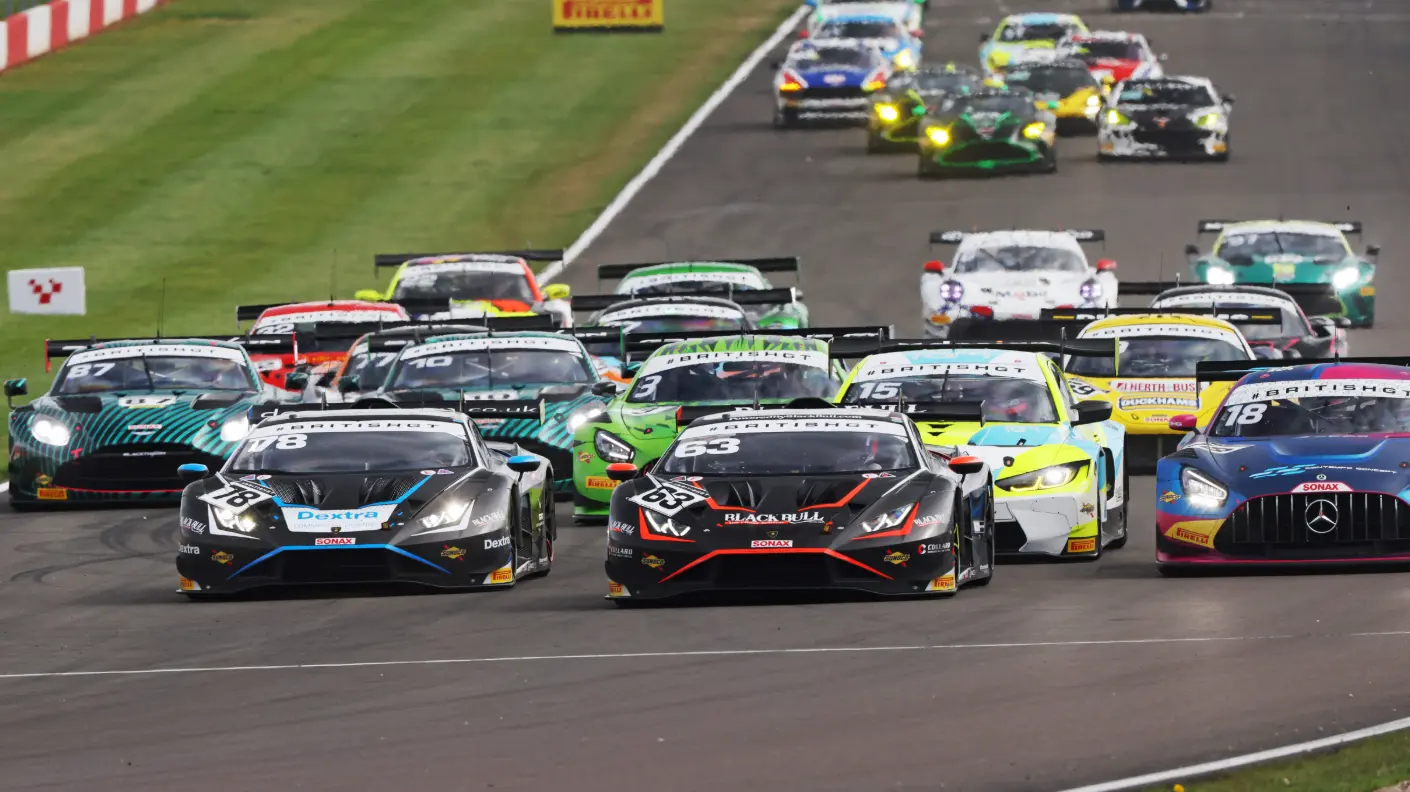
GT3 Explained: What Is a GT3 Car?
|
|
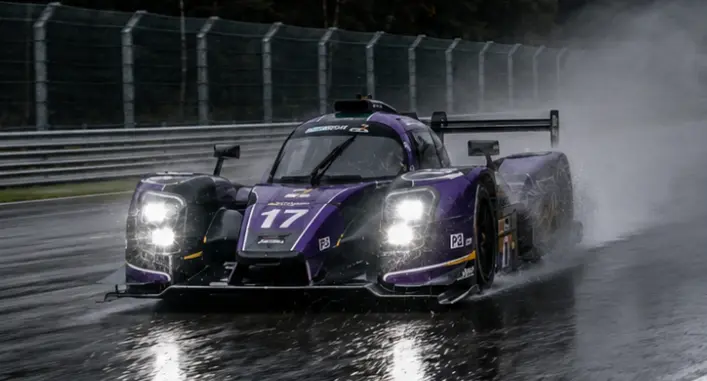
LMP3 Explained: What is an LMP3 Car?
|
|
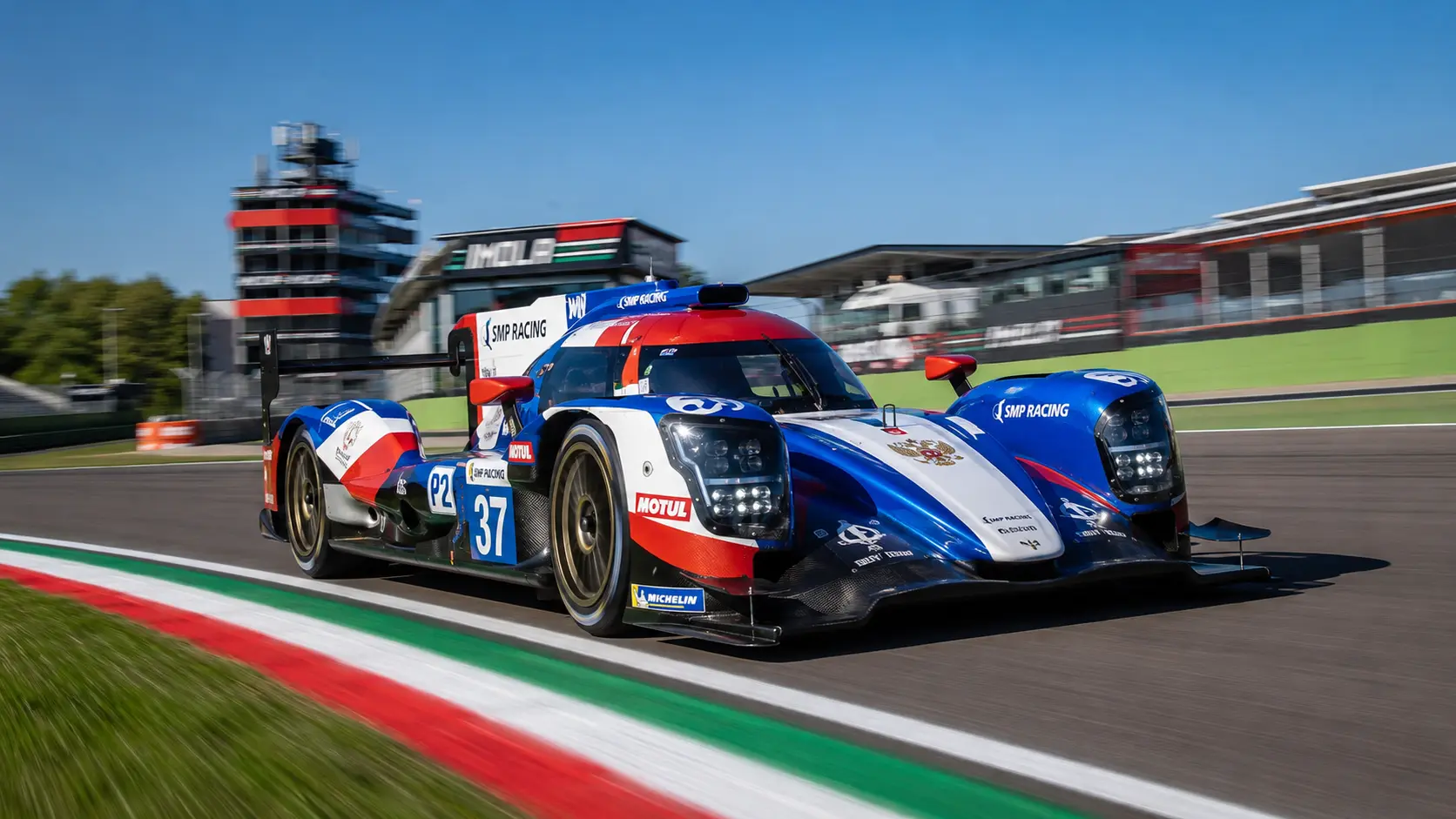
LMP2 Explained: What is an LMP2 Car?
|
|
Hypercar Explained: What Is a Hypercar in WEC, IMSA and Le Mans?
|
|
WEC vs IMSA: What’s the Difference?
|
|
NLS Starting Groups Explained
|
|
GT4 Explained: What Is a GT4 Car, and how is it different from GT3?
|
|
What Is the Difference Between GT3 and Cup 2?
|
Related series

|
European Le Mans Series
|

|
World Endurance Championship
|
Related tracks

|
Circuit de la Sarthe (Le Mans)
|