
Formula 1 reaches 50 years since a woman last raced in a Grand Prix

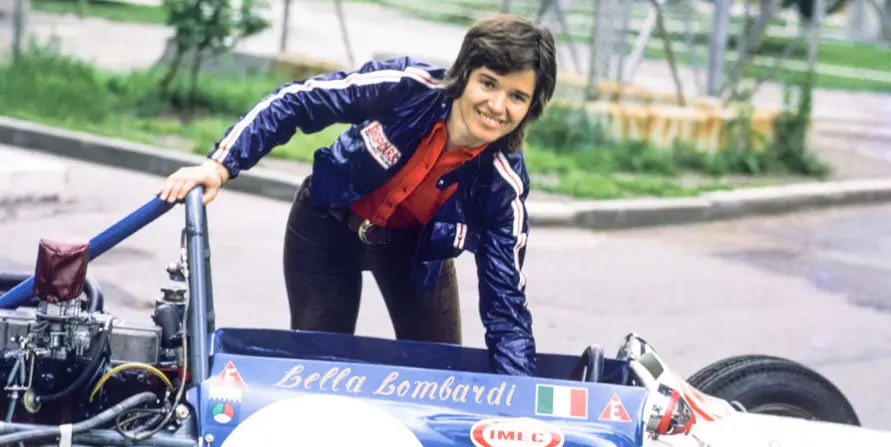
A remarkable anniversary for Formula 1
Formula 1 reaches an uncomfortable milestone this week: 50 years since a woman last competed in a World Championship Grand Prix.
Italian racer Maria Grazia “Lella” Lombardi started the Austrian Grand Prix at the Österreichring on 15 August 1976. She qualified 24th and finished 12th, the last classified runner still circulating at the end of the race. No woman has started a Formula 1 World Championship Grand Prix since.
Lombardi also remains the only woman to finish an F1 race in a points-scoring position. She took sixth at the shortened 1975 Spanish Grand Prix, although half points were awarded because the event did not reach the required distance.
Why the gap has lasted so long
Three-time W Series champion Jamie Chadwick argues that one of the biggest problems begins well before professional racing. Boys are still more likely to be introduced to karting at a very young age, creating a much larger pool of male competitors by the time drivers reach Formula 4 and the international junior ladder.
Motorsport's progression system is particularly unforgiving because drivers can begin competing seriously while still in primary school. A racer who starts several years later may already be hundreds of races and testing days behind rivals of the same age.
Chadwick has therefore put particular emphasis on grassroots participation, arguing that increasing the number of girls entering karting is essential if programmes higher up the ladder are eventually going to produce Formula 1 candidates.
F1 Academy is only one part of the pathway
Formula 1 now supports F1 Academy, an all-female Formula 4-level championship designed to give young drivers track time, visibility and links to Formula 1 teams.
The 2026 championship contains 14 races across seven rounds and 12 days of testing. All Formula 1 teams continue to support drivers and liveries in the series, while Cadillac is due to join that programme from 2027.
The challenge is what happens afterwards. Drivers still need to progress through faster mixed-gender categories such as Formula Regional, GB3, Formula 3 and ultimately Formula 2 before a Formula 1 race seat becomes realistic.
What to watch next
- Grassroots participation: A larger number of girls entering karting is essential to create a deeper future talent pool.
- F1 Academy graduates: Their performances after leaving the series will be the strongest test of whether the pathway is working.
- Team development programmes: F1 organisations can provide testing, simulator work and funding once promising drivers progress beyond Formula 4.
- The next breakthrough: Reaching Formula 3 or Formula 2 competitively would represent a more meaningful step towards an eventual Grand Prix return than simply increasing participation numbers.
Related Articles
|
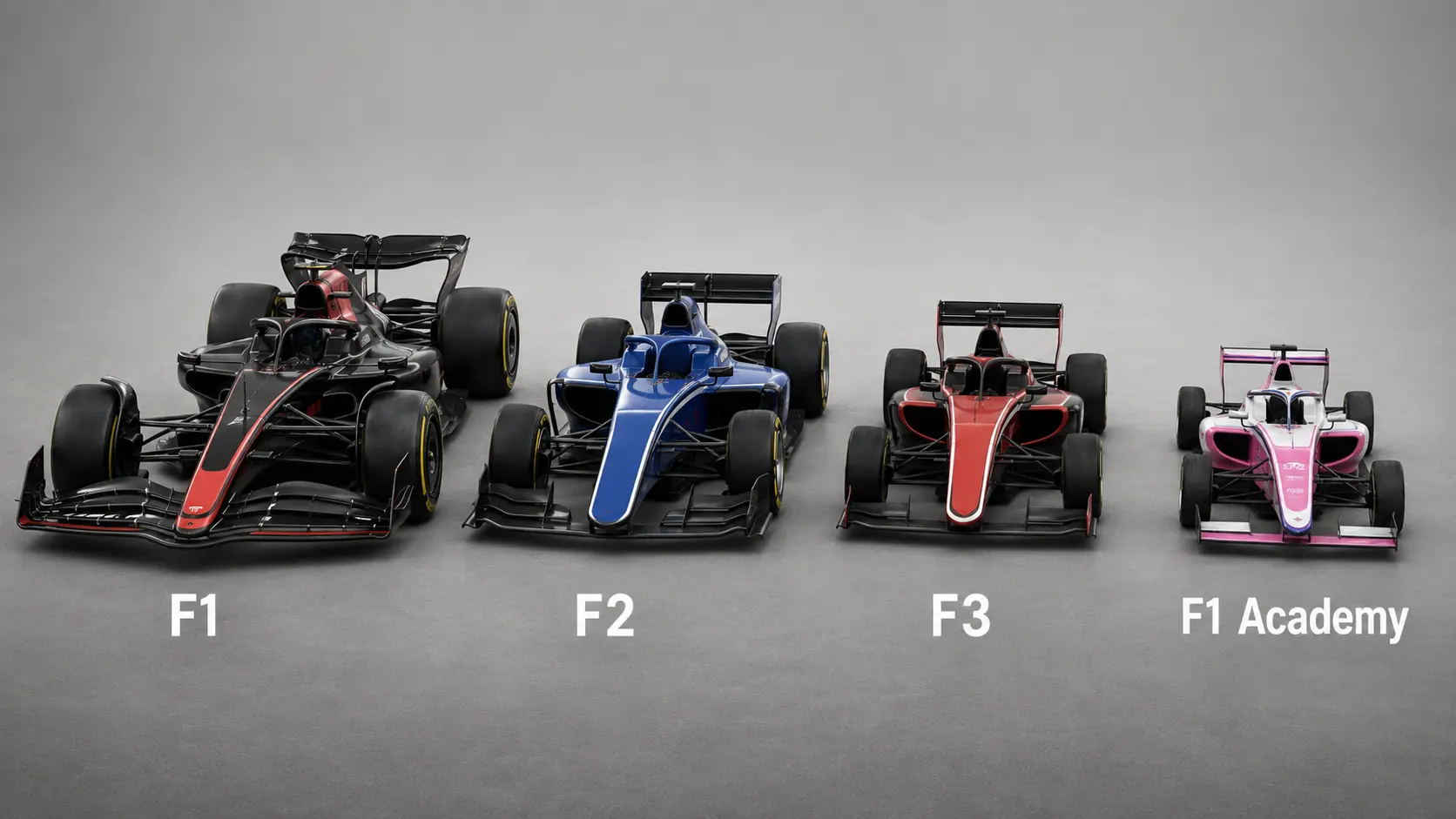
F1, F2, F3 & F1 Academy: Cars Compared
|
|
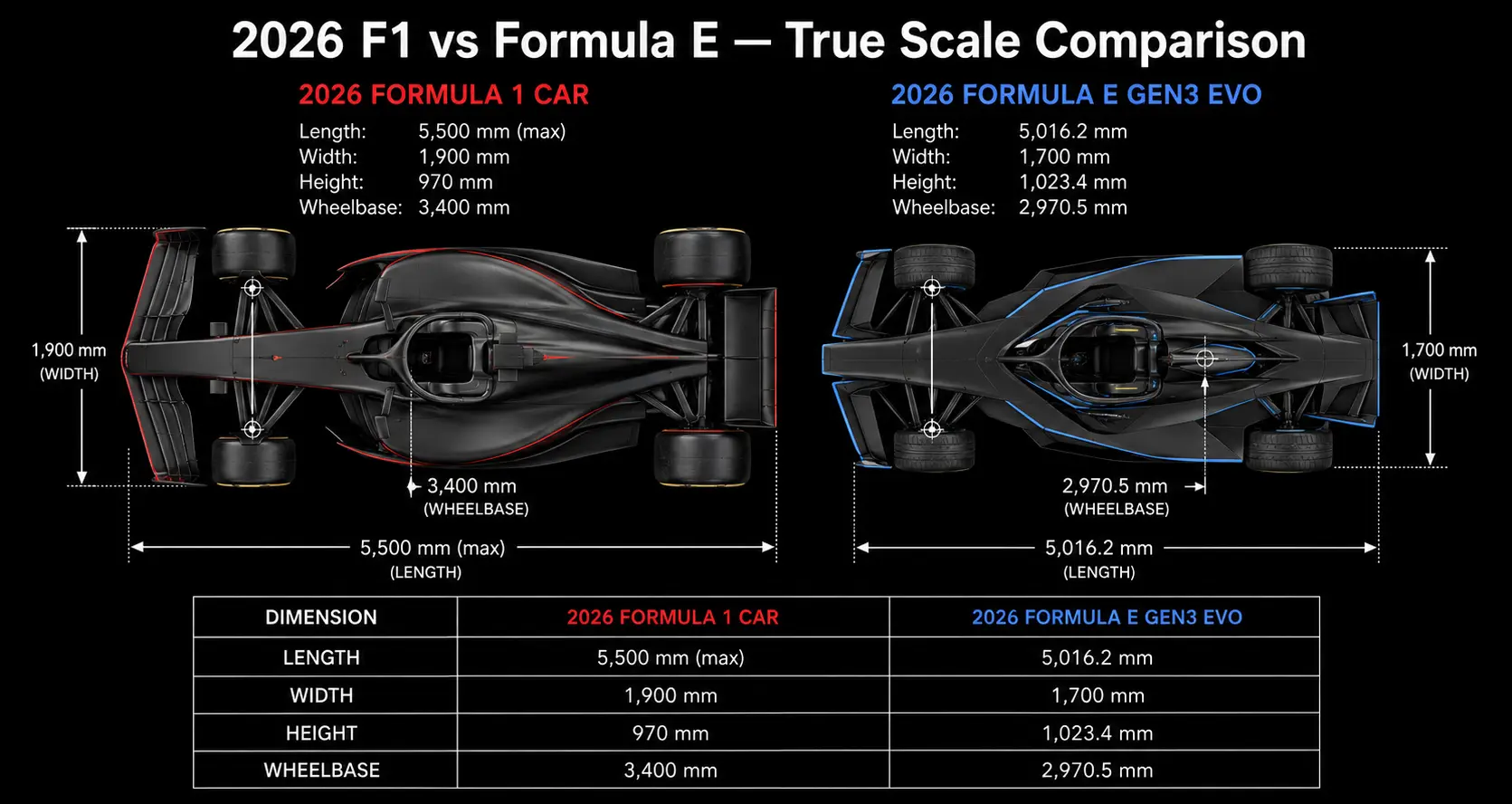
F1 & Formula E: Comparing The Differences Between Each Car
|
|
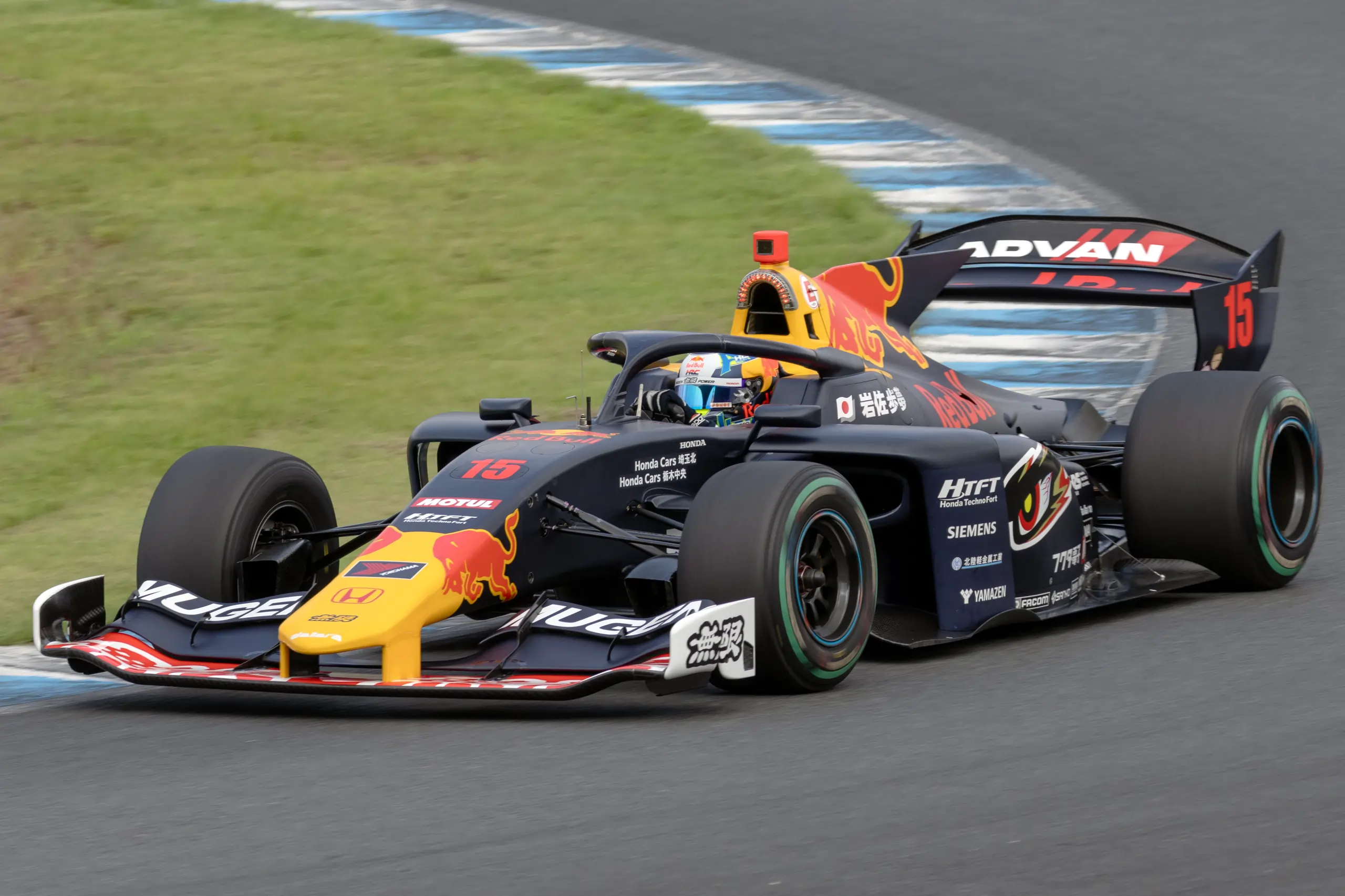
Super Formula Car Regulations Explained
|
|
Formula 1 Tyre Compounds Explained
|

|
IndyCar arrives at a brand-new Canadian street circuit
|
|
|
Formula E signs global Disney+ and ESPN streaming deal for GEN4 era
|

|
NASCAR Explained to an F1 Fan
|
|
|
Porsche Secures Back-To-Back Formula E Manufacturers’ Titles
|
Related series

|
Formula 1 Academy
|

|
Formula 1
|