Formula 2 - Italian Grand Prix
Display & Timezone
Display & Timezone
Showing times for Europe/Vienna
Timezone
Europe - Vienna
5 - 7 Sep
Completed
Autodromo Nazionale di Monza
Where To Watch F2 in United States
|
Apple
English; official USA Formula 2 broadcaster listed by FIA F2 for 2026.
|
|
Stream F2 securely from anywhere with NordVPN
Traveling abroad or using public Wi-Fi? Protect your connection and access your usual coverage more securely.
|
Upcoming in F2
|
Miami Grand Prix
1 - 3 May
|
||
|
Canadian Grand Prix
22 - 24 May
|
||
|
Monaco Grand Prix
4 - 7 Jun
|
Upcoming at Autodromo Nazionale di Monza
|
Italian Grand Prix
Formula 3
4 - 6 Sep
|
||
|
Italian Grand Prix
Formula 1
4 - 6 Sep
|
Track Info
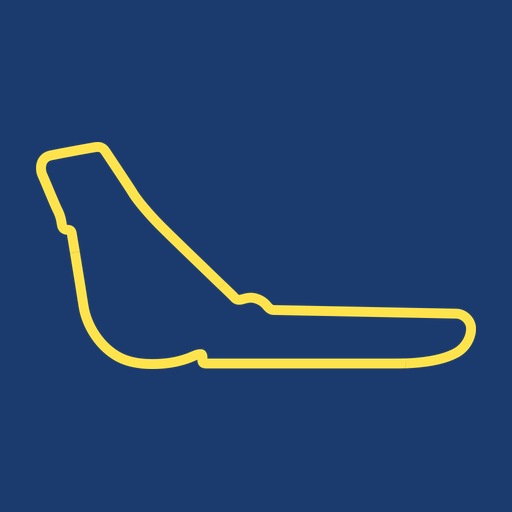
Autodromo Nazionale di Monza - Monza, Italy
Permanently built road course in Italy's Royal Park - clockwise - famed as the Temple of Speed
When was the track built?
Monza was constructed in 1922 inside the Parco di Monza and quickly became Italy's national racing center. Through the decades it has alternated between different chicane arrangements to manage speeds while preserving the circuit's ultra fast DNA. The modern road course bypasses the historic banked oval, which remains as a monument to the past.
In recent years the venue has refreshed safety features, resurfaced key areas and renamed Parabolica as Curva Alboreto in 2021 in honor of 1985 F1 World Champion Michele Alboreto.
When was its first race?
The circuit's first race meeting was in 1922 soon after completion, including the Italian Grand Prix. Monza has hosted the World Championship Italian Grand Prix in almost every season since 1950, with the exception of 1980 when the race was held at Imola.
What's the circuit like?
- Low downforce, high speed: Teams trim wings for minimal drag. Cars exceed 350 km/h before the Rettifilo chicane and average speeds are among the highest in motorsport.
- Brakes and traction: Three huge stops define the lap - Rettifilo (T1), della Roggia (T4) and Ascari (T8). Kerb riding and traction out of slow chicanes make or break lap time.
- Slipstream effects: Long straights and thin aero settings create strong tow dynamics in qualifying and racing. Managing gaps through Curva Grande and Serraglio is essential.
- DRS and overtakes: Two DRS zones - start/finish into Rettifilo and along the Serraglio section into Ascari - produce classic moves. Secondary chances appear into Roggia and at Curva Alboreto exits.
- Benchmark pace: Qualifying averages have set all time F1 records here, including modern poles under 1:19. The official race lap record is 1:21.046 from 2004.
Lap records and benchmarks (by series)
- Formula 1 (race lap): 1:21.046 - Rubens Barrichello, 2004 Italian GP - current 5.793 km layout.
- FIA World Endurance Championship: The 6 Hours of Monza has been a calendar fixture in recent seasons, with Hypercars reaching extremely high top speeds on the main straight.
- FIA Formula 2 and Formula 3: Regular Italian GP supports - expect intense slipstream trains and photo finishes.
- GT World Challenge Europe: Endurance Cup opener many years - large GT3 fields and dramatic starts into Rettifilo.
- Italian national series: TCR Italy, Carrera Cup Italia, Italian F4 and Formula Regional Europe all showcase deep grids and strong junior talent at Monza.
- Historic festivals: Monza often hosts historic F1 and sportscar events, plus the Monza Rally show on separate layouts.
Why go?
Monza is a pilgrimage for racing fans - towering grandstands, tifosi passion, and a soundtrack of engines echoing through royal parkland. Milan is under an hour away, the atmosphere is electric all weekend, and the racing is frequently decided under braking into Turn 1 or on the sprint to the line at Curva Alboreto.
Where's the best place to watch?
- Rettifilo (Turn 1-2): Heaviest braking zone on the lap - most overtakes, first lap chaos, and countless switchbacks through the chicane.
- della Roggia (Turn 4-5): Another prime braking zone where drivers send brave moves on the inside and fight over the kerbs.
- Lesmo 2 exit and Serraglio: See who carries speed onto the long straight toward Ascari - crucial for DRS passes.
- Ascari chicane: High commitment change of direction - mistakes here decide battles all the way to Curva Alboreto.
- Curva Alboreto (Parabolica): Iconic final corner with huge lateral load. Great for last lap drama and an open view of the start/finish straight.
Not just F1: Italian and world series at Monza
WEC 6 Hours of Monza: Modern Hypercar and LMGT3 machinery deliver multi class strategy and top speeds unseen at most European venues.
GT World Challenge Europe: Massive GT3 grids and factory drivers make Monza's endurance races a must see.
F2, F3 and junior formulas: The ladder to F1 stages slipstream battles that often decide championships at Monza.
National staples: TCR Italy, Italian F4, Formula Regional Europe and Carrera Cup Italia bring bumper fields and rising stars.
Heritage and specials: Historic racing festivals and the Monza Rally Show add variety beyond circuit racing seasons.
Hotels & Accommodation
5 - 7 Sep
Completed
Autodromo Nazionale di Monza
Track Info
Autodromo Nazionale di Monza - Monza, Italy
Permanently built road course in Italy's Royal Park - clockwise - famed as the Temple of Speed
When was the track built?
Monza was constructed in 1922 inside the Parco di Monza and quickly became Italy's national racing center. Through the decades it has alternated between different chicane arrangements to manage speeds while preserving the circuit's ultra fast DNA. The modern road course bypasses the historic banked oval, which remains as a monument to the past.
In recent years the venue has refreshed safety features, resurfaced key areas and renamed Parabolica as Curva Alboreto in 2021 in honor of 1985 F1 World Champion Michele Alboreto.
When was its first race?
The circuit's first race meeting was in 1922 soon after completion, including the Italian Grand Prix. Monza has hosted the World Championship Italian Grand Prix in almost every season since 1950, with the exception of 1980 when the race was held at Imola.
What's the circuit like?
- Low downforce, high speed: Teams trim wings for minimal drag. Cars exceed 350 km/h before the Rettifilo chicane and average speeds are among the highest in motorsport.
- Brakes and traction: Three huge stops define the lap - Rettifilo (T1), della Roggia (T4) and Ascari (T8). Kerb riding and traction out of slow chicanes make or break lap time.
- Slipstream effects: Long straights and thin aero settings create strong tow dynamics in qualifying and racing. Managing gaps through Curva Grande and Serraglio is essential.
- DRS and overtakes: Two DRS zones - start/finish into Rettifilo and along the Serraglio section into Ascari - produce classic moves. Secondary chances appear into Roggia and at Curva Alboreto exits.
- Benchmark pace: Qualifying averages have set all time F1 records here, including modern poles under 1:19. The official race lap record is 1:21.046 from 2004.
Lap records and benchmarks (by series)
- Formula 1 (race lap): 1:21.046 - Rubens Barrichello, 2004 Italian GP - current 5.793 km layout.
- FIA World Endurance Championship: The 6 Hours of Monza has been a calendar fixture in recent seasons, with Hypercars reaching extremely high top speeds on the main straight.
- FIA Formula 2 and Formula 3: Regular Italian GP supports - expect intense slipstream trains and photo finishes.
- GT World Challenge Europe: Endurance Cup opener many years - large GT3 fields and dramatic starts into Rettifilo.
- Italian national series: TCR Italy, Carrera Cup Italia, Italian F4 and Formula Regional Europe all showcase deep grids and strong junior talent at Monza.
- Historic festivals: Monza often hosts historic F1 and sportscar events, plus the Monza Rally show on separate layouts.
Why go?
Monza is a pilgrimage for racing fans - towering grandstands, tifosi passion, and a soundtrack of engines echoing through royal parkland. Milan is under an hour away, the atmosphere is electric all weekend, and the racing is frequently decided under braking into Turn 1 or on the sprint to the line at Curva Alboreto.
Where's the best place to watch?
- Rettifilo (Turn 1-2): Heaviest braking zone on the lap - most overtakes, first lap chaos, and countless switchbacks through the chicane.
- della Roggia (Turn 4-5): Another prime braking zone where drivers send brave moves on the inside and fight over the kerbs.
- Lesmo 2 exit and Serraglio: See who carries speed onto the long straight toward Ascari - crucial for DRS passes.
- Ascari chicane: High commitment change of direction - mistakes here decide battles all the way to Curva Alboreto.
- Curva Alboreto (Parabolica): Iconic final corner with huge lateral load. Great for last lap drama and an open view of the start/finish straight.
Not just F1: Italian and world series at Monza
WEC 6 Hours of Monza: Modern Hypercar and LMGT3 machinery deliver multi class strategy and top speeds unseen at most European venues.
GT World Challenge Europe: Massive GT3 grids and factory drivers make Monza's endurance races a must see.
F2, F3 and junior formulas: The ladder to F1 stages slipstream battles that often decide championships at Monza.
National staples: TCR Italy, Italian F4, Formula Regional Europe and Carrera Cup Italia bring bumper fields and rising stars.
Heritage and specials: Historic racing festivals and the Monza Rally Show add variety beyond circuit racing seasons.