Next European Le Mans Series Race - 4 Hours of Imola
3 - 6 Jul
Imola Circuit (Autodromo Internazionale Enzo e Dino Ferrari)
Display & Timezone
Display & Timezone
Showing times for Pacific/Auckland
Timezone
Pacific - Auckland
Upcoming in ELMS
|
4 Hours of Spa-Francorchamps
21 - 24 Aug
|
||
|
4 Hours of Silverstone
11 - 14 Sep
|
||
|
4 Hours of Portimão
8 - 11 Oct
|
Local Weather & Time
Autodromo Enzo e Dino Ferrari (Imola) - Imola, Italy
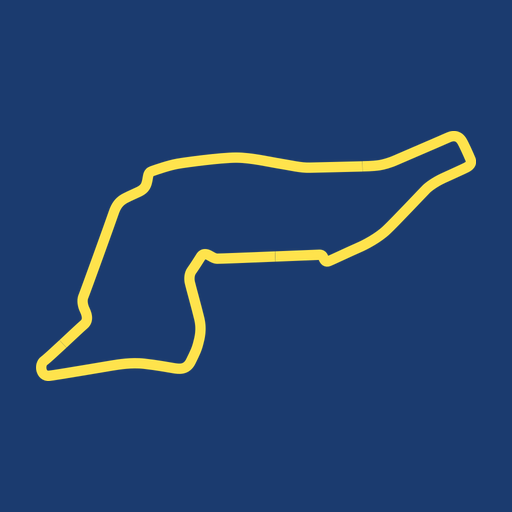
Permanent road course in Italy’s Motor Valley - anti-clockwise - current Grand Prix layout in use since 2008
When was the track built?
The idea for a permanent autodrome at Imola took shape in the late 1940s. Ground was broken in 1950 and testing began in 1952, with the first official races held in 1953. The venue was renamed Autodromo Dino Ferrari in 1970 to honor Enzo Ferrari’s son, and later became Autodromo Enzo e Dino Ferrari in 1988.
Layout changes have shaped Imola’s character. Variante Bassa appeared in the early 1970s, with Variante Alta added soon after. After 1994 the circuit was comprehensively reworked, most notably converting Tamburello and Villeneuve into chicanes and improving run offs at Rivazza and elsewhere. The modern pit complex and the current GP configuration have been in use since 2008.
When was its first race?
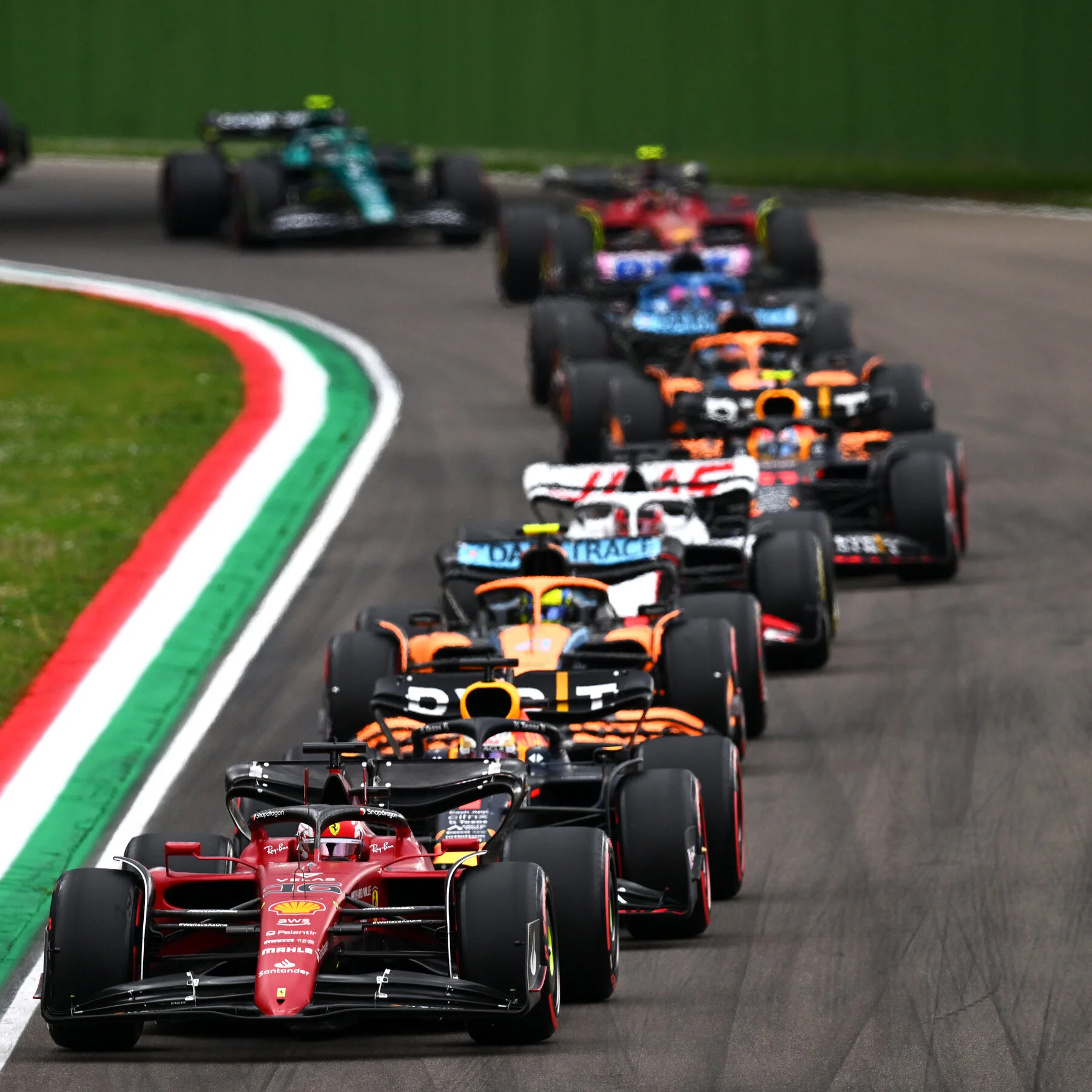
The circuit’s first race weekend ran in 1953. Imola’s first World Championship Formula 1 race was in 1980 when it temporarily hosted the Italian Grand Prix, before becoming the long term home of the San Marino Grand Prix from 1981 to 2006. F1 returned in 2020 with the Emilia Romagna Grand Prix.
What's the circuit like?
- Old school rhythm: Aggressive kerbs, elevation changes and narrow margins punish mistakes. The lap flows from medium and high speed corners into heavy braking zones, especially at Tosa, Variante Alta and the double right of Rivazza.
- Anti clockwise and physical: With 19 corners and plenty of lateral load to the right side of the neck, set up and fitness matter across a long stint.
- Overtaking: Imola typically features one DRS zone on the pit straight. Overtakes are most common into Tamburello after a good run out of Rivazza, with secondary chances into Tosa and the Bus Stop style final chicane on lower formula weekends.
- Strategy and pit loss: One of the longest pit lanes in F1 makes stops expensive, so track position and safety car timing are critical.
- Benchmark pace: Official F1 race lap record is 1:15.484. Poles have been as quick as low 1:14s on this layout.
Lap records and benchmarks (by series)
- Formula 1 (race lap): 1:15.484 - Lewis Hamilton, 2020 Emilia Romagna GP - current 4.909 km layout.
- FIA WEC Hypercar (reference): 1:31.794 - Ferrari 499P during the 2024 6 Hours of Imola weekend. LMDh best at the event was 1:32.590 by Porsche 963.
- FIA Formula 2: 1:28.353 - Jehan Daruvala, Feature weekend 2022.
- FIA Formula 3: 1:33.129 - Roman Stanek, 2022.
- WorldSBK (reference): Jonathan Rea set a 1:46.023 race lap in 2019 on Pirelli development rubber.
Why go?
A quintessential European road course atmosphere set inside a riverside park and the town itself. The tifosi bring serious energy, Bologna is under an hour away for food and culture, and Ferrari’s Maranello base is a doable side trip. The long green verges, Senna memorial and photo friendly banks make it a fan favorite weekend.
Where's the best place to watch?
- Tamburello - Villeneuve: Main overtaking zone into a fast left right left. Great for starts, restarts and DRS moves.
- Tosa hairpin: Classic braking and traction fight with switchback chances on exit up the hill to Piratella.
- Acque Minerali: Rapid downhill right followed by a change of direction and acceleration zone that shows who has balance and kerb confidence.
- Variante Alta: High kerbs and cresting entry reward tidy lines. Mistakes here echo all the way down to Rivazza.
- Rivazza and Pit Straight: Watch the descent, braking into the double right and the slingshot to the line with DRS activation for attacks into Tamburello.
Not just F1: Italian and world series at Imola
FIA World Endurance Championship: The 6 Hours of Imola brought Hypercars and LMGT3 back to the hills with big crowds and multi class strategy drama.
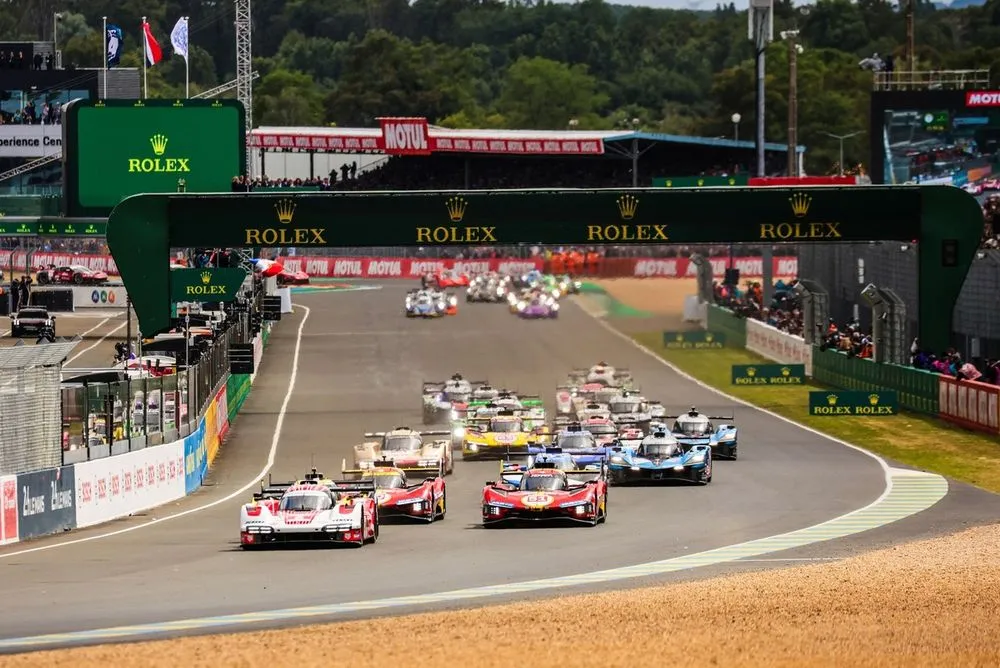
European Le Mans Series: Regular 4 Hours of Imola visits with deep LMP2, LMP3 and GT fields.
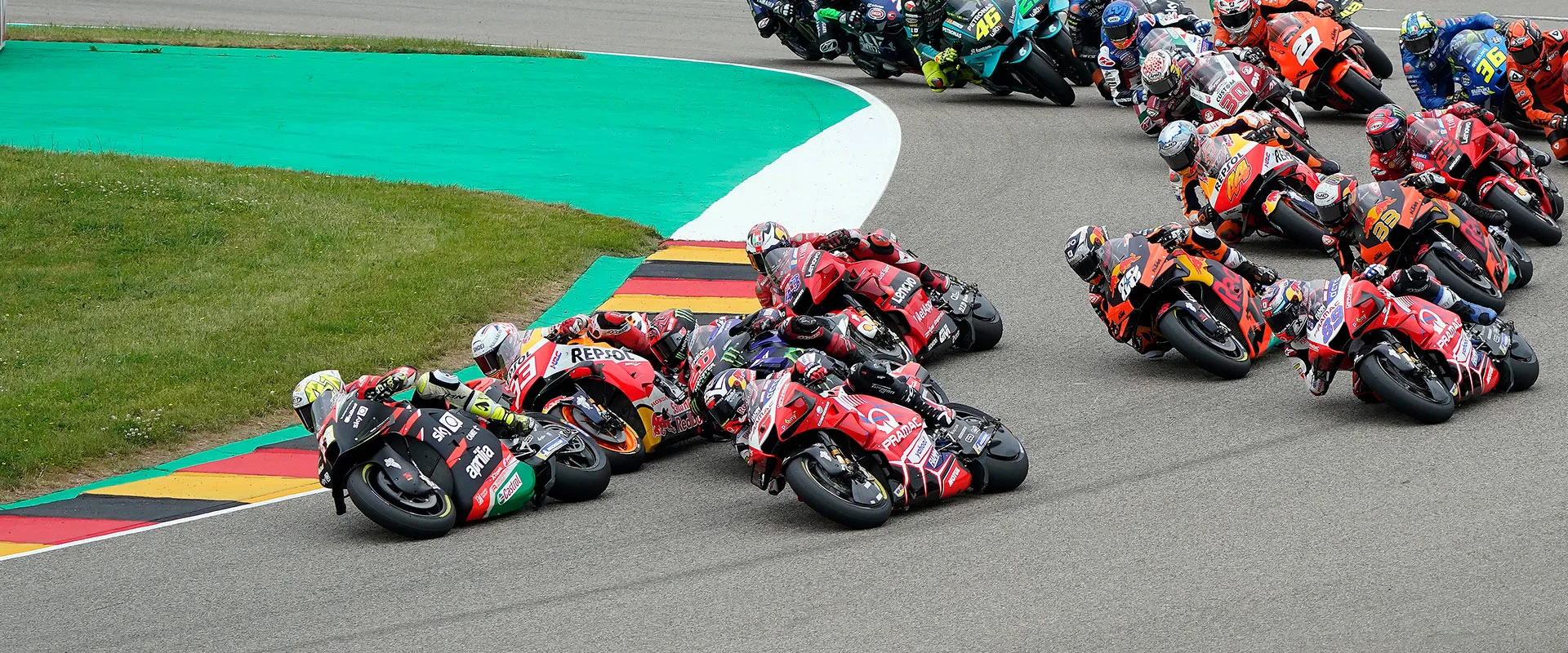
WorldSBK and CIV: Superbike and Italian national motorcycle championships showcase the track’s flowing, technical nature on two wheels.
GT World Challenge Europe and Carrera Cup: Packed GT3 and Porsche one make grids often feature on the calendar, delivering slipstream trains through Tamburello and tow heavy runs to Tosa.
Formula 2 and Formula 3: The top junior single seater categories support the F1 weekend, making Imola a key stop in the ladder to the top.
3 - 6 Jul
Imola Circuit (Autodromo Internazionale Enzo e Dino Ferrari)
Autodromo Enzo e Dino Ferrari (Imola) - Imola, Italy
Permanent road course in Italy’s Motor Valley - anti-clockwise - current Grand Prix layout in use since 2008
When was the track built?
The idea for a permanent autodrome at Imola took shape in the late 1940s. Ground was broken in 1950 and testing began in 1952, with the first official races held in 1953. The venue was renamed Autodromo Dino Ferrari in 1970 to honor Enzo Ferrari’s son, and later became Autodromo Enzo e Dino Ferrari in 1988.
Layout changes have shaped Imola’s character. Variante Bassa appeared in the early 1970s, with Variante Alta added soon after. After 1994 the circuit was comprehensively reworked, most notably converting Tamburello and Villeneuve into chicanes and improving run offs at Rivazza and elsewhere. The modern pit complex and the current GP configuration have been in use since 2008.
When was its first race?
The circuit’s first race weekend ran in 1953. Imola’s first World Championship Formula 1 race was in 1980 when it temporarily hosted the Italian Grand Prix, before becoming the long term home of the San Marino Grand Prix from 1981 to 2006. F1 returned in 2020 with the Emilia Romagna Grand Prix.
What's the circuit like?
- Old school rhythm: Aggressive kerbs, elevation changes and narrow margins punish mistakes. The lap flows from medium and high speed corners into heavy braking zones, especially at Tosa, Variante Alta and the double right of Rivazza.
- Anti clockwise and physical: With 19 corners and plenty of lateral load to the right side of the neck, set up and fitness matter across a long stint.
- Overtaking: Imola typically features one DRS zone on the pit straight. Overtakes are most common into Tamburello after a good run out of Rivazza, with secondary chances into Tosa and the Bus Stop style final chicane on lower formula weekends.
- Strategy and pit loss: One of the longest pit lanes in F1 makes stops expensive, so track position and safety car timing are critical.
- Benchmark pace: Official F1 race lap record is 1:15.484. Poles have been as quick as low 1:14s on this layout.
Lap records and benchmarks (by series)
- Formula 1 (race lap): 1:15.484 - Lewis Hamilton, 2020 Emilia Romagna GP - current 4.909 km layout.
- FIA WEC Hypercar (reference): 1:31.794 - Ferrari 499P during the 2024 6 Hours of Imola weekend. LMDh best at the event was 1:32.590 by Porsche 963.
- FIA Formula 2: 1:28.353 - Jehan Daruvala, Feature weekend 2022.
- FIA Formula 3: 1:33.129 - Roman Stanek, 2022.
- WorldSBK (reference): Jonathan Rea set a 1:46.023 race lap in 2019 on Pirelli development rubber.
Why go?
A quintessential European road course atmosphere set inside a riverside park and the town itself. The tifosi bring serious energy, Bologna is under an hour away for food and culture, and Ferrari’s Maranello base is a doable side trip. The long green verges, Senna memorial and photo friendly banks make it a fan favorite weekend.
Where's the best place to watch?
- Tamburello - Villeneuve: Main overtaking zone into a fast left right left. Great for starts, restarts and DRS moves.
- Tosa hairpin: Classic braking and traction fight with switchback chances on exit up the hill to Piratella.
- Acque Minerali: Rapid downhill right followed by a change of direction and acceleration zone that shows who has balance and kerb confidence.
- Variante Alta: High kerbs and cresting entry reward tidy lines. Mistakes here echo all the way down to Rivazza.
- Rivazza and Pit Straight: Watch the descent, braking into the double right and the slingshot to the line with DRS activation for attacks into Tamburello.
Not just F1: Italian and world series at Imola
FIA World Endurance Championship: The 6 Hours of Imola brought Hypercars and LMGT3 back to the hills with big crowds and multi class strategy drama.
European Le Mans Series: Regular 4 Hours of Imola visits with deep LMP2, LMP3 and GT fields.
WorldSBK and CIV: Superbike and Italian national motorcycle championships showcase the track’s flowing, technical nature on two wheels.
GT World Challenge Europe and Carrera Cup: Packed GT3 and Porsche one make grids often feature on the calendar, delivering slipstream trains through Tamburello and tow heavy runs to Tosa.
Formula 2 and Formula 3: The top junior single seater categories support the F1 weekend, making Imola a key stop in the ladder to the top.
Never Miss Lights Out
Get alerts before every race, across all major series.
Email reminders • Calendar sync • Push notifications