
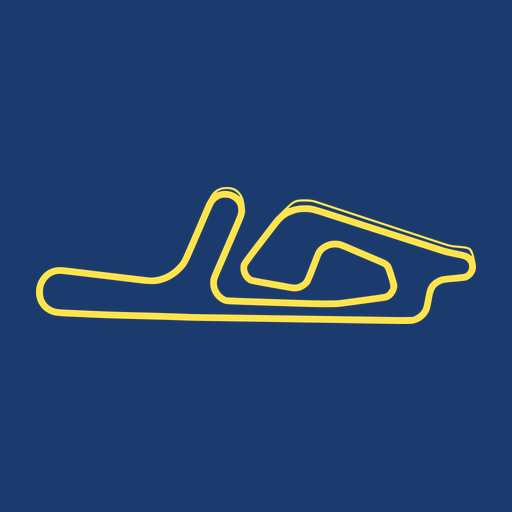
Cremona Circuit
Location:
San Martino del Lago, Lombardy, Italy
Local Weather & Time
Upcoming at Cremona Circuit
|
Italian Round (Cremona)
World Superbikes
25 - 27 Sep
|
Track Info
Cremona Circuit - San Martino del Lago, Lombardy, Italy
Compact anti-clockwise Italian bike venue with a huge back straight, two hard-stop hairpins and a tight, slightly banked final sector - 3.768 km / 2.341 mi with 13 turns - short, intense and increasingly world-class, where exits matter as much as bravery
When was the track built?
Cremona's story is much newer than most famous Italian circuits, but that is part of the appeal. The idea was pushed through in the early 2000s by local backers who wanted a serious motorsport facility in southern Lombardy, yet the project had to fight through years of bureaucracy before construction finally gathered pace in 2011. The original circuit was completed and officially inaugurated in 2012 as the Circuito di San Martino del Lago, a 3.450 km anti-clockwise track aimed more at testing, track days and local competition than immediate world-championship glamour. The big turning points came later. A major 2021 overhaul stretched the lap to 3.702 km and made it much more race-ready, then another heavy round of work in early 2024 extended it to 3.768 km, resurfaced key areas, reworked the final sector and upgraded the spectator facilities for WorldSBK.
When was its first race?
Cremona spent much of its early life as a popular test and track-day venue, so its real competitive identity arrived later than the construction date suggests. The circuit's first widely documented sanctioned race on the modern rebuilt layout came on May 30, 2021, during the Trofei MotoEstate weekend, when Luca Salvadori won the 1000 Open class on a Ducati. That mattered because it showed the revamped circuit could host proper racing rather than just private running. From there the track's rise was quick - national bike meetings, then bigger Italian-level events, then WorldSBK in 2024, which turned Cremona from a local project into an international talking point almost overnight.
What's the circuit like?
- It feels like a stadium sprint: Cremona is short enough that the lap never really lets you relax. Riders are always turning, loading the tyres or trying to line up the next exit properly.
- The opening left sequence is deceptively hard: Turn 1 bends in fast, then tightens into the next lefts. It looks simple on a map, but it is easy to compromise the whole first sector by getting greedy too early.
- The middle sector is where the lap gets clever: Turns 4, 5 and 6 are awkward and reference-light, so consistency matters more than heroics. Good riders look smooth here. Everyone else looks busy.
- T8 is the big braking event: After the long back straight, the right-hand hairpin is one of the clearest overtaking opportunities on the circuit. If you want late dives and defensive lines, this is the spot.
- T10 decides a lot: The second hairpin is another genuine passing chance, but it also launches riders onto the straight that leads into the tight final sector. Mess up the exit and the lap falls apart quickly.
- The last three corners are a real quirk: The final T11-T13 sequence is tight, busy and slightly banked in places, which is unusual in modern circuit design. It rewards precision and punishes anyone who arrives there with a bike or car already out of shape.
- Surface and grip matter: The 2024 resurfacing improved the track, but Cremona still evolves quickly over a weekend. Rubber goes down fast, and because the lap is short, tiny balance changes show up immediately on the stopwatch.
- Overtaking is possible, but not free: This is not a giant wide-open circuit. Moves usually need to be built through exits and positioning, especially in the quicker first half of the lap.
Lap records and benchmarks
- WorldSBK - official race lap (3.768 km): 1:27.980 - Nicolo Bulega - Ducati Panigale V4 R - 2025.
- WorldSBK - all-time lap: 1:27.866 - Nicolo Bulega - Ducati Panigale V4 R - 2025 qualifying.
- WorldSSP - official race lap: 1:32.001 - Lucas Mahias - Yamaha YZF-R9 - 2025.
- WorldWCR - official race lap: 1:40.005 - Roberta Ponziani - Yamaha YZF-R7 - 2025.
- Older layout benchmark - 3.702 km version: 1:32.434 - Fabrizio Perotti - Aprilia RSV4 - 2022 Alpe Adria Superbike.
- Why the split matters: Cremona's 2024 upgrade changed the last part of the lap and the official length, so older 3.702 km and original 3.450 km figures belong to different versions of the circuit.
Cremona is a good example of a track where lap time comes from getting several small things right rather than one giant commitment corner. The best laps carry speed through the opening sequence, attack the two hairpins cleanly and stay disciplined through the final sector.
Why go?
Cremona is exactly the kind of place fans love once they visit it in person. It still has the feel of a hungry, rising circuit rather than a polished corporate giant, and that gives race weekends a more intimate edge. You are close to the paddock atmosphere, close to the action and close to one of the best bike-racing countries in the world. For WorldSBK especially, the place works brilliantly - Ducati-red crowds, loud support for the Italian riders and a circuit short enough that something is always happening. It also helps that you are in Lombardy, with Cremona, Parma and the Emilia-Romagna motor valley all within easy reach, so a race weekend can turn into a proper motorsport road trip rather than just a day at the track.
Where's the best place to watch?
- Turns 1-3 grandstands: The best all-round starting point. You get the launch into the fast opening left sequence and can immediately see who has confidence and who is just surviving the first sector.
- Turns 4-6: A smart pick if you want to study rider quality. This section is awkward, technical and easy to get wrong, so the fast laps really stand out here.
- Turn 8 hairpin: One of the headline overtaking spots on the circuit. The long straight builds the move, then the braking zone settles it.
- Turn 10 hairpin: Another excellent spectator zone, especially late in races when riders start forcing the issue and defending harder.
- Turns 11-13 final sector: Best for seeing Cremona's unusual character. The last sequence is tight and slightly old-school in feel, and a clean run out of here makes all the difference onto the straight.
Not just one series - headline events at Cremona Circuit
WorldSBK weekend: Cremona's breakthrough event is the Motul FIM Superbike World Championship, backed by WorldSSP and WorldWCR. That is the meeting that turned the circuit into a genuine international venue.
Italian and regional motorcycle racing: Before WorldSBK arrived, Cremona built its reputation through categories such as Trofei MotoEstate, Coppa Italia Velocità and other national-level bike meetings that suited the layout's stop-go rhythm and heavy focus on exits.
Testing and development: The circuit remains a major test venue for superbike and supersport teams, which matters because it keeps the place active and relevant between headline race weekends.
Karting and wider motorsport use: The adjacent kart track and the circuit's constant programme of track days, coaching and manufacturer activity mean Cremona is busy far beyond one world-championship weekend. It is a working circuit, not just a once-a-year showpiece.
Transportation & Parking
Getting to Cremona Circuit - San Martino del Lago, Italy
Best options are driving, or taking the train to Piadena Drizzona or Cremona and finishing the last stretch by taxi; public transport exists, but this is a rural circuit in the lower Po Valley rather than a rail-served city venue. For major events such as WorldSBK, the circuit currently advertises free parking for all visitors, but access, seating areas and on-site flows can still change by event.
Public transport - possible, but this is not a rail-first venue
- Train via Piadena Drizzona: the most practical rail approach is usually train to Piadena and then a taxi to the circuit. Rome2Rio currently shows this as the best public-transport option from Cremona, taking about 32 minutes in total with the train-plus-taxi combination.
- Train via Cremona: Cremona is the better-connected city hub, but it is still about 25.7 km from the circuit by road, so you are still committing to a final transfer rather than a simple station walk.
- Local bus reality: the area around San Martino del Lago is served much more weakly than Italy’s big-city circuits, and the Province of Cremona’s own fallback public-transport tool for rural areas is Stradibus, a reservation-based flexible service rather than a dense turn-up-and-go network.
- Practical summary: public transport works best if you are happy with train first, taxi second. Trying to build the whole trip around a local bus connection is possible but much less straightforward than driving.
Driving - easiest for most visitors
- Best sat-nav entry: use either S.P. 70, 3, località Ca’ de Soresini or Strada Giuseppina, 2. Both are currently used on official circuit or WorldSBK pages.
- Road geography: the circuit is in San Martino del Lago, in the countryside between Cremona and Mantua rather than on the edge of a motorway city. That makes driving the default approach for most spectators and track-day users.
- From Cremona: the current road distance from Cremona to the circuit is about 25.7 km, with a typical drive of about 24 minutes in normal conditions.
- Major weekends: on WorldSBK or other big meetings, trust the event map and stewarding over your generic navigation app once you are near the venue, because parking and spectator flow can be organised around the active grandstand layout rather than the everyday paddock approach.
Parking
- WorldSBK 2026: the current official event page says free parking for all visitors.
- Track days and testing: the general booking page lists parking €0.00, which is useful if you are coming for non-spectator circuit activity rather than a race weekend.
- Use the maps: the circuit homepage specifically tells visitors to consult the circuit maps to find the correct grandstand, parking and the best route to reach the venue.
- Event-specific note: even with free spectator parking, the exact area you should use can still depend on the event setup, so it is worth checking the map again close to the weekend you attend.
Camping
- Overnight on site: the circuit’s booking page currently lists overnight stays for campers at €45 and motorhomes at €75.
- How to book: reservations for overnight vehicle stays are made through paddock@cremonacircuit.it.
- What to expect: this looks more like a circuit paddock overnight arrangement than a large fan-campsite village, so check the latest event notes if you want to know whether extra fan facilities are added for a big race weekend.
Taxis and rideshare
- Best taxi move: from a public-transport point of view, the cleanest taxi connection is usually Piadena Drizzona station to the circuit; the widely used train-plus-taxi route is the one currently surfaced as the best no-car option from Cremona.
- Cremona fallback: if you arrive through the city instead, Cremona has taxi stands at Piazza Roma and at the train station, plus the city’s radiotaxi services.
- Rideshare: there is no strong official event guidance pointing to a dedicated app-rideshare zone at the circuit, so taxis or pre-booked private transfers are a safer assumption than expecting a polished rideshare system on site.
Walking
- From Piadena station: do not plan to walk it. The public-transport advice that currently makes the most sense is train plus taxi, not train plus a long roadside walk.
- From parking: once you are on site, the circuit maps are the useful tool because spectator walking distance depends on the grandstand and paddock layout in use that weekend.
- From local accommodation: some circuit-partner accommodation is very close indeed - one of the promoted options is described as being just 2 minutes from the circuit - but most visitors should still assume a short drive rather than a casual village-centre walk-up.
Accessibility
- Disabled visitor process: the circuit says registration procedures for people with disabilities are available until all places are filled and must be confirmed by the circuit by email.
- Free ticket collection: those entitled to a free ticket must go to the ticket office on the day with a medical certificate of disability and an identity document.
- Why to sort it early: the circuit says the number of available accreditations is limited, so accessible-entry planning is something to handle in advance rather than at the gate.
Airports and longer trips
- Best airport for many low-cost and European flights: Milan Bergamo (BGY) is a practical gateway for this part of Lombardy. From Cremona, Rome2Rio currently puts the road journey to BGY at about 77.8 km and roughly 1 hour 15 minutes.
- From Milan airports generally: the circuit is most often approached from the wider Milan side of Lombardy rather than by a single “official” airport link, so a rental car is usually the simplest solution if you are flying in with luggage or arriving late. That fits the circuit’s rural location and drive-first access pattern.
- Long-distance rail: if you are travelling across Italy by train, aim first for Cremona or Piadena Drizzona, then finish by taxi. That is much more practical than trying to chain together multiple rural buses on race morning.
About the venue
- Track basics: WorldSBK’s current event page lists the circuit at 3.768 km with 13 corners, including 6 right and 7 left.
- Current profile: the circuit has been heavily upgraded since 2021, with a longer main layout, larger paddock, new pits, new grandstands and infrastructure aimed at international events.
- Why it matters now: Cremona became part of the WorldSBK calendar in 2024 and now hosts the Italian round, which is why practical travel planning matters more here than it used to for a regional test venue.
- Setting: this is a modern permanent circuit in the countryside around San Martino del Lago, not a city venue, so the transport rhythm is all about last-mile car access, paddock space and event maps.
Quick guide - what is nearest
- Best sat-nav: S.P. 70, 3, località Ca’ de Soresini or Strada Giuseppina, 2.
- Nearest practical rail stop: Piadena Drizzona, then taxi.
- Better-connected city hub: Cremona, then taxi or private transfer for the final 25.7 km.
- Parking: free for WorldSBK visitors; check the circuit map for the exact area in use.
- Camping: camper and motorhome overnight stays are available by reservation.
- Airport pattern: Milan-side airports, then rental car or private transfer.
- Most important warning: this is a circuit where the last mile matters. Get yourself to the right rail station or onto the correct local road first, then use taxi, car or the event map for the final approach.
Cremona Circuit is straightforward once you stop treating it like a city-track stop: drive in, or train to Piadena/Cremona and finish by taxi. Everything becomes easier once you plan around that.
Nearby Activities
Things to do around Cremona Circuit - San Martino del Lago - Lombardy - Italy
Whether you are here for WorldSBK, national superbike racing, track days or broader bike-led race weekends, Cremona Circuit places you in a rural corner of the lower Po Valley with easy reach to Cremona’s violin heritage, river landscapes, walled towns, serious food cities and some very manageable Lombardy - Emilia day trips.
Family friendly highlights near the circuit
- Museo del Violino - Cremona: One of the best family stops in the area, because it is genuinely engaging even if nobody in your group is already deep into classical music. The multimedia displays and instrument focus make it easier with children than a more conventional fine-art museum.
- Violin-maker workshop visits: Cremona’s luthier workshops are a memorable add-on for older children and teenagers, and they give the city a craft dimension that feels far more personal than simply walking through another old centre. Visits are usually best arranged in advance.
- Piazza del Comune, Torrazzo and the cathedral complex: The historic heart of Cremona is easy to explore on foot, photogenic without being too sprawling and simple to pair with lunch, gelato and a shorter museum stop.
- Soncino: A very good half-day option for families who like castles and walls more than galleries, with a compact medieval feel that is easy to enjoy without a full urban sightseeing push.
- Po Plain parkland near Casalmaggiore: Handy if younger children need air, space and a lower-key break from the circuit, especially on a bright morning before you head back for later running. Outdoor plans here are weather dependent and work best with simple expectations.
Culture hits and rainy day winners
- Museo del Violino: The obvious rainy-day anchor and still the strongest single cultural stop in the area, with five centuries of Cremonese violin-making history and a visitor experience that feels modern rather than dusty.
- Luthier workshops in Cremona: These are ideal when you want something specific to the city rather than another generic museum hour. They also break up a longer day nicely if you are pairing the old town with lunch and a shorter indoor visit.
- Cathedral, Baptistery and Torrazzo: The monumental cluster around Piazza del Comune is the most efficient way to get Cremona’s historic weight in one compact area, and it works well in mixed weather because you can move between indoor and outdoor stops easily.
- Pizzighettone: A smart poor-weather detour for walls, casemates and a compact fortified-town feel that is different from Cremona’s musical identity. It suits travellers who want something historical without committing to a bigger city.
- Mantua or Sabbioneta: If you are extending the stay, both deliver much richer architectural depth than the circuit’s immediate surroundings, and both are strong options when you want a proper culture-first day beyond the paddock.
Eat and drink like a local
- Cremonese staples: Look for marubini, bollito, salame Cremona and the local cold-meat tradition rather than defaulting to generic motorway dining. The food here is rich, grounded and very much tied to the surrounding countryside.
- Torrone and sweet stops in Cremona: The city is inseparable from torrone, and a good pastry or nougat stop is one of the easiest ways to make the visit feel locally rooted without needing a long sit-down meal.
- Parma as a food extension: If you are staying extra nights, Parma is the obvious premium detour for producers, cured meats, Parmigiano Reggiano and a fuller food-led day. It is close enough to feel realistic rather than aspirational.
- Casalmaggiore and Cremona for practical dinners: These make more sense than relying on the circuit area itself, especially if you want proper service, a wider choice of restaurants and a calmer evening rhythm after a loud day trackside.
- Race week tip: Book dinner in Cremona, Casalmaggiore or Parma ahead of time, keep lunch flexible and do not assume the post-race run off site will be quick. Morning slots help if you plan to return for afternoon sessions.
Active outdoors between sessions
- Po riverside routes: The Po landscape is one of the area’s quiet strengths, and it works well for a slower walk, a light cycle or a simple scenic reset between sessions. It is flat, practical and more atmospheric than dramatic.
- Cremona cycle itineraries: This province lends itself well to cycling, with multiple slow-travel routes through open countryside and along water. It is a good fit if your group likes gentle outdoor activity rather than hard hiking.
- Walled Cities bike route: A strong option if you are extending the stay and want a more structured outing, especially because it combines flat riding with villages and fortified stops rather than just empty farmland.
- Casalmaggiore - Po Plain park: One of the better low-effort outdoor resets close enough to the circuit zone, especially on bright mornings when you want air and space without committing to a longer drive.
- Weather logic matters: Summer can feel hot and still across the plain, while late September and spring are more forgiving for longer walks. Pack sunscreen, but keep a light layer handy for evening cool-down after the sun drops.
Easy day trips if you are extending your stay
- Cremona: Around 35 - 40 minutes by road for the Violin Museum, workshop visits, Piazza del Comune and an easy old-town walk that feels genuinely distinctive rather than just pleasant.
- Pizzighettone: Usually 35 - 45 minutes each way for riverside fortifications, casemates and a compact heritage stop that works very well as a half day.
- Soncino: About 45 - 55 minutes by car for one of the area’s strongest small-town outings, with castle architecture and a quieter, more medieval feel than Cremona.
- Sabbioneta: Roughly 35 - 45 minutes by road for a compact Renaissance walled town that feels cultured, manageable and very good value as a half-day detour.
- Mantua: Around 60 - 75 minutes each way for a more substantial art-and-architecture day, with lakeside setting, Gonzaga history and enough weight to justify an early start.
- Parma: Around 45 - 55 minutes by car for one of Italy’s most rewarding food-led city trips, particularly if you want producer visits, better dining and a stronger urban evening.
Times are approximate and rise on headline weekends. Rural roads are easy enough until traffic bunches, while museum visits, workshop tours and producer experiences increasingly work better with timed or dated booking.
When to go and what to expect
- Late September is the race-travel sweet spot: It usually gives the easiest balance of track action, city wandering and comfortable evenings, with less of the heavy heat that can flatten Po Valley sightseeing in midsummer.
- Spring also works well: The countryside feels greener, cycle routes are more comfortable and smaller town detours become easier to enjoy without the glare and stillness of high summer.
- High summer is hotter than many visitors expect: This is flat inland country, so heat can linger, especially in exposed car parks and on low-shade walks. Slower mornings and longer lunches make sense.
- Autumn and winter bring a softer, slower rhythm: Food, music and smaller heritage visits still work well, but outdoor plans matter more to the weather and the area feels quieter and more local.
- Booking habits are changing: Museum entry, workshop visits and some producer experiences are easier when arranged ahead, particularly on weekends when motorsport crowds overlap with regular leisure travel.
Practical notes during race weeks
- Choose your base with purpose: Cremona is best if you want atmosphere, culture and better evening dining, while staying closer to Casalmaggiore or the circuit side makes early starts and late finishes simpler.
- Do not underestimate the final approach: The region is straightforward on a normal day, but rural access roads and event parking can make the last stretch the slowest part of the journey.
- Book cultural extras in advance: Violin-maker workshop visits and popular museum slots are much easier when fixed ahead, especially if you only have one non-race morning free.
- Family packing list: Pack sunscreen, a hat, breathable layers and a light rain shell, plus ear protection for children, refillable water bottles, snacks and a power bank for long days out.
- Expect event-week changes: Attraction timings, workshop availability, restaurant service patterns and circuit access arrangements can all shift around major weekends, so check official listings for your exact dates.
Opening hours, seasonal programs, ticketing and event week operations can change - check official circuit and attraction sites for your exact dates.
Hotels & Accommodation
Location:
San Martino del Lago, Lombardy, Italy
Track Info
Cremona Circuit - San Martino del Lago, Lombardy, Italy
Compact anti-clockwise Italian bike venue with a huge back straight, two hard-stop hairpins and a tight, slightly banked final sector - 3.768 km / 2.341 mi with 13 turns - short, intense and increasingly world-class, where exits matter as much as bravery
When was the track built?
Cremona's story is much newer than most famous Italian circuits, but that is part of the appeal. The idea was pushed through in the early 2000s by local backers who wanted a serious motorsport facility in southern Lombardy, yet the project had to fight through years of bureaucracy before construction finally gathered pace in 2011. The original circuit was completed and officially inaugurated in 2012 as the Circuito di San Martino del Lago, a 3.450 km anti-clockwise track aimed more at testing, track days and local competition than immediate world-championship glamour. The big turning points came later. A major 2021 overhaul stretched the lap to 3.702 km and made it much more race-ready, then another heavy round of work in early 2024 extended it to 3.768 km, resurfaced key areas, reworked the final sector and upgraded the spectator facilities for WorldSBK.
When was its first race?
Cremona spent much of its early life as a popular test and track-day venue, so its real competitive identity arrived later than the construction date suggests. The circuit's first widely documented sanctioned race on the modern rebuilt layout came on May 30, 2021, during the Trofei MotoEstate weekend, when Luca Salvadori won the 1000 Open class on a Ducati. That mattered because it showed the revamped circuit could host proper racing rather than just private running. From there the track's rise was quick - national bike meetings, then bigger Italian-level events, then WorldSBK in 2024, which turned Cremona from a local project into an international talking point almost overnight.
What's the circuit like?
- It feels like a stadium sprint: Cremona is short enough that the lap never really lets you relax. Riders are always turning, loading the tyres or trying to line up the next exit properly.
- The opening left sequence is deceptively hard: Turn 1 bends in fast, then tightens into the next lefts. It looks simple on a map, but it is easy to compromise the whole first sector by getting greedy too early.
- The middle sector is where the lap gets clever: Turns 4, 5 and 6 are awkward and reference-light, so consistency matters more than heroics. Good riders look smooth here. Everyone else looks busy.
- T8 is the big braking event: After the long back straight, the right-hand hairpin is one of the clearest overtaking opportunities on the circuit. If you want late dives and defensive lines, this is the spot.
- T10 decides a lot: The second hairpin is another genuine passing chance, but it also launches riders onto the straight that leads into the tight final sector. Mess up the exit and the lap falls apart quickly.
- The last three corners are a real quirk: The final T11-T13 sequence is tight, busy and slightly banked in places, which is unusual in modern circuit design. It rewards precision and punishes anyone who arrives there with a bike or car already out of shape.
- Surface and grip matter: The 2024 resurfacing improved the track, but Cremona still evolves quickly over a weekend. Rubber goes down fast, and because the lap is short, tiny balance changes show up immediately on the stopwatch.
- Overtaking is possible, but not free: This is not a giant wide-open circuit. Moves usually need to be built through exits and positioning, especially in the quicker first half of the lap.
Lap records and benchmarks
- WorldSBK - official race lap (3.768 km): 1:27.980 - Nicolo Bulega - Ducati Panigale V4 R - 2025.
- WorldSBK - all-time lap: 1:27.866 - Nicolo Bulega - Ducati Panigale V4 R - 2025 qualifying.
- WorldSSP - official race lap: 1:32.001 - Lucas Mahias - Yamaha YZF-R9 - 2025.
- WorldWCR - official race lap: 1:40.005 - Roberta Ponziani - Yamaha YZF-R7 - 2025.
- Older layout benchmark - 3.702 km version: 1:32.434 - Fabrizio Perotti - Aprilia RSV4 - 2022 Alpe Adria Superbike.
- Why the split matters: Cremona's 2024 upgrade changed the last part of the lap and the official length, so older 3.702 km and original 3.450 km figures belong to different versions of the circuit.
Cremona is a good example of a track where lap time comes from getting several small things right rather than one giant commitment corner. The best laps carry speed through the opening sequence, attack the two hairpins cleanly and stay disciplined through the final sector.
Why go?
Cremona is exactly the kind of place fans love once they visit it in person. It still has the feel of a hungry, rising circuit rather than a polished corporate giant, and that gives race weekends a more intimate edge. You are close to the paddock atmosphere, close to the action and close to one of the best bike-racing countries in the world. For WorldSBK especially, the place works brilliantly - Ducati-red crowds, loud support for the Italian riders and a circuit short enough that something is always happening. It also helps that you are in Lombardy, with Cremona, Parma and the Emilia-Romagna motor valley all within easy reach, so a race weekend can turn into a proper motorsport road trip rather than just a day at the track.
Where's the best place to watch?
- Turns 1-3 grandstands: The best all-round starting point. You get the launch into the fast opening left sequence and can immediately see who has confidence and who is just surviving the first sector.
- Turns 4-6: A smart pick if you want to study rider quality. This section is awkward, technical and easy to get wrong, so the fast laps really stand out here.
- Turn 8 hairpin: One of the headline overtaking spots on the circuit. The long straight builds the move, then the braking zone settles it.
- Turn 10 hairpin: Another excellent spectator zone, especially late in races when riders start forcing the issue and defending harder.
- Turns 11-13 final sector: Best for seeing Cremona's unusual character. The last sequence is tight and slightly old-school in feel, and a clean run out of here makes all the difference onto the straight.
Not just one series - headline events at Cremona Circuit
WorldSBK weekend: Cremona's breakthrough event is the Motul FIM Superbike World Championship, backed by WorldSSP and WorldWCR. That is the meeting that turned the circuit into a genuine international venue.
Italian and regional motorcycle racing: Before WorldSBK arrived, Cremona built its reputation through categories such as Trofei MotoEstate, Coppa Italia Velocità and other national-level bike meetings that suited the layout's stop-go rhythm and heavy focus on exits.
Testing and development: The circuit remains a major test venue for superbike and supersport teams, which matters because it keeps the place active and relevant between headline race weekends.
Karting and wider motorsport use: The adjacent kart track and the circuit's constant programme of track days, coaching and manufacturer activity mean Cremona is busy far beyond one world-championship weekend. It is a working circuit, not just a once-a-year showpiece.
Transportation & Parking
Getting to Cremona Circuit - San Martino del Lago, Italy
Best options are driving, or taking the train to Piadena Drizzona or Cremona and finishing the last stretch by taxi; public transport exists, but this is a rural circuit in the lower Po Valley rather than a rail-served city venue. For major events such as WorldSBK, the circuit currently advertises free parking for all visitors, but access, seating areas and on-site flows can still change by event.
Public transport - possible, but this is not a rail-first venue
- Train via Piadena Drizzona: the most practical rail approach is usually train to Piadena and then a taxi to the circuit. Rome2Rio currently shows this as the best public-transport option from Cremona, taking about 32 minutes in total with the train-plus-taxi combination.
- Train via Cremona: Cremona is the better-connected city hub, but it is still about 25.7 km from the circuit by road, so you are still committing to a final transfer rather than a simple station walk.
- Local bus reality: the area around San Martino del Lago is served much more weakly than Italy’s big-city circuits, and the Province of Cremona’s own fallback public-transport tool for rural areas is Stradibus, a reservation-based flexible service rather than a dense turn-up-and-go network.
- Practical summary: public transport works best if you are happy with train first, taxi second. Trying to build the whole trip around a local bus connection is possible but much less straightforward than driving.
Driving - easiest for most visitors
- Best sat-nav entry: use either S.P. 70, 3, località Ca’ de Soresini or Strada Giuseppina, 2. Both are currently used on official circuit or WorldSBK pages.
- Road geography: the circuit is in San Martino del Lago, in the countryside between Cremona and Mantua rather than on the edge of a motorway city. That makes driving the default approach for most spectators and track-day users.
- From Cremona: the current road distance from Cremona to the circuit is about 25.7 km, with a typical drive of about 24 minutes in normal conditions.
- Major weekends: on WorldSBK or other big meetings, trust the event map and stewarding over your generic navigation app once you are near the venue, because parking and spectator flow can be organised around the active grandstand layout rather than the everyday paddock approach.
Parking
- WorldSBK 2026: the current official event page says free parking for all visitors.
- Track days and testing: the general booking page lists parking €0.00, which is useful if you are coming for non-spectator circuit activity rather than a race weekend.
- Use the maps: the circuit homepage specifically tells visitors to consult the circuit maps to find the correct grandstand, parking and the best route to reach the venue.
- Event-specific note: even with free spectator parking, the exact area you should use can still depend on the event setup, so it is worth checking the map again close to the weekend you attend.
Camping
- Overnight on site: the circuit’s booking page currently lists overnight stays for campers at €45 and motorhomes at €75.
- How to book: reservations for overnight vehicle stays are made through paddock@cremonacircuit.it.
- What to expect: this looks more like a circuit paddock overnight arrangement than a large fan-campsite village, so check the latest event notes if you want to know whether extra fan facilities are added for a big race weekend.
Taxis and rideshare
- Best taxi move: from a public-transport point of view, the cleanest taxi connection is usually Piadena Drizzona station to the circuit; the widely used train-plus-taxi route is the one currently surfaced as the best no-car option from Cremona.
- Cremona fallback: if you arrive through the city instead, Cremona has taxi stands at Piazza Roma and at the train station, plus the city’s radiotaxi services.
- Rideshare: there is no strong official event guidance pointing to a dedicated app-rideshare zone at the circuit, so taxis or pre-booked private transfers are a safer assumption than expecting a polished rideshare system on site.
Walking
- From Piadena station: do not plan to walk it. The public-transport advice that currently makes the most sense is train plus taxi, not train plus a long roadside walk.
- From parking: once you are on site, the circuit maps are the useful tool because spectator walking distance depends on the grandstand and paddock layout in use that weekend.
- From local accommodation: some circuit-partner accommodation is very close indeed - one of the promoted options is described as being just 2 minutes from the circuit - but most visitors should still assume a short drive rather than a casual village-centre walk-up.
Accessibility
- Disabled visitor process: the circuit says registration procedures for people with disabilities are available until all places are filled and must be confirmed by the circuit by email.
- Free ticket collection: those entitled to a free ticket must go to the ticket office on the day with a medical certificate of disability and an identity document.
- Why to sort it early: the circuit says the number of available accreditations is limited, so accessible-entry planning is something to handle in advance rather than at the gate.
Airports and longer trips
- Best airport for many low-cost and European flights: Milan Bergamo (BGY) is a practical gateway for this part of Lombardy. From Cremona, Rome2Rio currently puts the road journey to BGY at about 77.8 km and roughly 1 hour 15 minutes.
- From Milan airports generally: the circuit is most often approached from the wider Milan side of Lombardy rather than by a single “official” airport link, so a rental car is usually the simplest solution if you are flying in with luggage or arriving late. That fits the circuit’s rural location and drive-first access pattern.
- Long-distance rail: if you are travelling across Italy by train, aim first for Cremona or Piadena Drizzona, then finish by taxi. That is much more practical than trying to chain together multiple rural buses on race morning.
About the venue
- Track basics: WorldSBK’s current event page lists the circuit at 3.768 km with 13 corners, including 6 right and 7 left.
- Current profile: the circuit has been heavily upgraded since 2021, with a longer main layout, larger paddock, new pits, new grandstands and infrastructure aimed at international events.
- Why it matters now: Cremona became part of the WorldSBK calendar in 2024 and now hosts the Italian round, which is why practical travel planning matters more here than it used to for a regional test venue.
- Setting: this is a modern permanent circuit in the countryside around San Martino del Lago, not a city venue, so the transport rhythm is all about last-mile car access, paddock space and event maps.
Quick guide - what is nearest
- Best sat-nav: S.P. 70, 3, località Ca’ de Soresini or Strada Giuseppina, 2.
- Nearest practical rail stop: Piadena Drizzona, then taxi.
- Better-connected city hub: Cremona, then taxi or private transfer for the final 25.7 km.
- Parking: free for WorldSBK visitors; check the circuit map for the exact area in use.
- Camping: camper and motorhome overnight stays are available by reservation.
- Airport pattern: Milan-side airports, then rental car or private transfer.
- Most important warning: this is a circuit where the last mile matters. Get yourself to the right rail station or onto the correct local road first, then use taxi, car or the event map for the final approach.
Cremona Circuit is straightforward once you stop treating it like a city-track stop: drive in, or train to Piadena/Cremona and finish by taxi. Everything becomes easier once you plan around that.
Nearby Activities
Things to do around Cremona Circuit - San Martino del Lago - Lombardy - Italy
Whether you are here for WorldSBK, national superbike racing, track days or broader bike-led race weekends, Cremona Circuit places you in a rural corner of the lower Po Valley with easy reach to Cremona’s violin heritage, river landscapes, walled towns, serious food cities and some very manageable Lombardy - Emilia day trips.
Family friendly highlights near the circuit
- Museo del Violino - Cremona: One of the best family stops in the area, because it is genuinely engaging even if nobody in your group is already deep into classical music. The multimedia displays and instrument focus make it easier with children than a more conventional fine-art museum.
- Violin-maker workshop visits: Cremona’s luthier workshops are a memorable add-on for older children and teenagers, and they give the city a craft dimension that feels far more personal than simply walking through another old centre. Visits are usually best arranged in advance.
- Piazza del Comune, Torrazzo and the cathedral complex: The historic heart of Cremona is easy to explore on foot, photogenic without being too sprawling and simple to pair with lunch, gelato and a shorter museum stop.
- Soncino: A very good half-day option for families who like castles and walls more than galleries, with a compact medieval feel that is easy to enjoy without a full urban sightseeing push.
- Po Plain parkland near Casalmaggiore: Handy if younger children need air, space and a lower-key break from the circuit, especially on a bright morning before you head back for later running. Outdoor plans here are weather dependent and work best with simple expectations.
Culture hits and rainy day winners
- Museo del Violino: The obvious rainy-day anchor and still the strongest single cultural stop in the area, with five centuries of Cremonese violin-making history and a visitor experience that feels modern rather than dusty.
- Luthier workshops in Cremona: These are ideal when you want something specific to the city rather than another generic museum hour. They also break up a longer day nicely if you are pairing the old town with lunch and a shorter indoor visit.
- Cathedral, Baptistery and Torrazzo: The monumental cluster around Piazza del Comune is the most efficient way to get Cremona’s historic weight in one compact area, and it works well in mixed weather because you can move between indoor and outdoor stops easily.
- Pizzighettone: A smart poor-weather detour for walls, casemates and a compact fortified-town feel that is different from Cremona’s musical identity. It suits travellers who want something historical without committing to a bigger city.
- Mantua or Sabbioneta: If you are extending the stay, both deliver much richer architectural depth than the circuit’s immediate surroundings, and both are strong options when you want a proper culture-first day beyond the paddock.
Eat and drink like a local
- Cremonese staples: Look for marubini, bollito, salame Cremona and the local cold-meat tradition rather than defaulting to generic motorway dining. The food here is rich, grounded and very much tied to the surrounding countryside.
- Torrone and sweet stops in Cremona: The city is inseparable from torrone, and a good pastry or nougat stop is one of the easiest ways to make the visit feel locally rooted without needing a long sit-down meal.
- Parma as a food extension: If you are staying extra nights, Parma is the obvious premium detour for producers, cured meats, Parmigiano Reggiano and a fuller food-led day. It is close enough to feel realistic rather than aspirational.
- Casalmaggiore and Cremona for practical dinners: These make more sense than relying on the circuit area itself, especially if you want proper service, a wider choice of restaurants and a calmer evening rhythm after a loud day trackside.
- Race week tip: Book dinner in Cremona, Casalmaggiore or Parma ahead of time, keep lunch flexible and do not assume the post-race run off site will be quick. Morning slots help if you plan to return for afternoon sessions.
Active outdoors between sessions
- Po riverside routes: The Po landscape is one of the area’s quiet strengths, and it works well for a slower walk, a light cycle or a simple scenic reset between sessions. It is flat, practical and more atmospheric than dramatic.
- Cremona cycle itineraries: This province lends itself well to cycling, with multiple slow-travel routes through open countryside and along water. It is a good fit if your group likes gentle outdoor activity rather than hard hiking.
- Walled Cities bike route: A strong option if you are extending the stay and want a more structured outing, especially because it combines flat riding with villages and fortified stops rather than just empty farmland.
- Casalmaggiore - Po Plain park: One of the better low-effort outdoor resets close enough to the circuit zone, especially on bright mornings when you want air and space without committing to a longer drive.
- Weather logic matters: Summer can feel hot and still across the plain, while late September and spring are more forgiving for longer walks. Pack sunscreen, but keep a light layer handy for evening cool-down after the sun drops.
Easy day trips if you are extending your stay
- Cremona: Around 35 - 40 minutes by road for the Violin Museum, workshop visits, Piazza del Comune and an easy old-town walk that feels genuinely distinctive rather than just pleasant.
- Pizzighettone: Usually 35 - 45 minutes each way for riverside fortifications, casemates and a compact heritage stop that works very well as a half day.
- Soncino: About 45 - 55 minutes by car for one of the area’s strongest small-town outings, with castle architecture and a quieter, more medieval feel than Cremona.
- Sabbioneta: Roughly 35 - 45 minutes by road for a compact Renaissance walled town that feels cultured, manageable and very good value as a half-day detour.
- Mantua: Around 60 - 75 minutes each way for a more substantial art-and-architecture day, with lakeside setting, Gonzaga history and enough weight to justify an early start.
- Parma: Around 45 - 55 minutes by car for one of Italy’s most rewarding food-led city trips, particularly if you want producer visits, better dining and a stronger urban evening.
Times are approximate and rise on headline weekends. Rural roads are easy enough until traffic bunches, while museum visits, workshop tours and producer experiences increasingly work better with timed or dated booking.
When to go and what to expect
- Late September is the race-travel sweet spot: It usually gives the easiest balance of track action, city wandering and comfortable evenings, with less of the heavy heat that can flatten Po Valley sightseeing in midsummer.
- Spring also works well: The countryside feels greener, cycle routes are more comfortable and smaller town detours become easier to enjoy without the glare and stillness of high summer.
- High summer is hotter than many visitors expect: This is flat inland country, so heat can linger, especially in exposed car parks and on low-shade walks. Slower mornings and longer lunches make sense.
- Autumn and winter bring a softer, slower rhythm: Food, music and smaller heritage visits still work well, but outdoor plans matter more to the weather and the area feels quieter and more local.
- Booking habits are changing: Museum entry, workshop visits and some producer experiences are easier when arranged ahead, particularly on weekends when motorsport crowds overlap with regular leisure travel.
Practical notes during race weeks
- Choose your base with purpose: Cremona is best if you want atmosphere, culture and better evening dining, while staying closer to Casalmaggiore or the circuit side makes early starts and late finishes simpler.
- Do not underestimate the final approach: The region is straightforward on a normal day, but rural access roads and event parking can make the last stretch the slowest part of the journey.
- Book cultural extras in advance: Violin-maker workshop visits and popular museum slots are much easier when fixed ahead, especially if you only have one non-race morning free.
- Family packing list: Pack sunscreen, a hat, breathable layers and a light rain shell, plus ear protection for children, refillable water bottles, snacks and a power bank for long days out.
- Expect event-week changes: Attraction timings, workshop availability, restaurant service patterns and circuit access arrangements can all shift around major weekends, so check official listings for your exact dates.
Opening hours, seasonal programs, ticketing and event week operations can change - check official circuit and attraction sites for your exact dates.