
Suzuka International Racing Course
Location
 Suzuka, Mie Prefecture, Japan
Current Local Time
Track Info
Suzuka International Racing Course - Suzuka, Japan
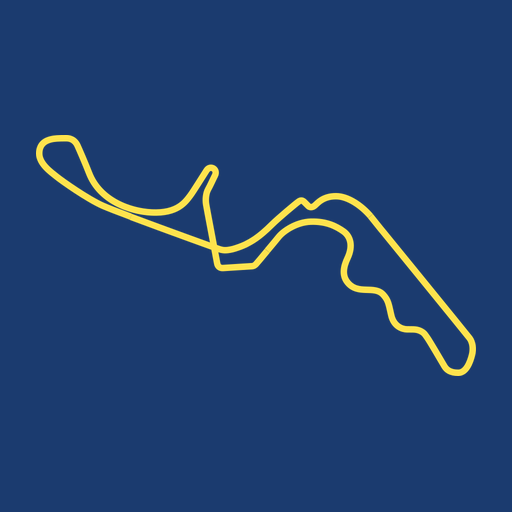
Permanent road course with figure eight layout - clockwise overall - opened 1962
When was the track built?
Commissioned by Honda as a proving ground and designed by John Hugenholtz, Suzuka was completed in 1962. Early car races included a sportscar Grand Prix that helped establish the venue, and by 1963 the Japan Grand Prix drew huge crowds. The circuit became a modern F1 staple from 1987 onward and remains Honda’s spiritual home track.
Major safety updates over time include reworking 130R and the Casio Triangle in the early 2000s, plus further run off changes and recovery vehicle procedures after 2014. Despite updates, Suzuka has kept its fast flow and character.
When was its first race?
The venue’s first race action came in 1962 when the new circuit opened to national competition. In May 1963, Suzuka staged the first Japan Grand Prix for sports cars, the country’s headline event at the time.
What's the circuit like?
- Rhythm and commitment: The Esses demand precision through a flowing left right sequence where a small error snowballs. Degner 1 arrives fast over the curb and funnels immediately into Degner 2 under braking.
- Spoon and 130R: Spoon’s double left determines speed all the way to 130R. Modern F1 cars take 130R with minimal lift, but wind and traffic can make it sketchy.
- Overtaking: DRS on the main straight sets up moves into Turn 1. Other hotspots include the Hairpin after Degner and the Casio Triangle, especially after safety car restarts.
- Tyres and balance: The mix of long loaded corners left and right taxes both front and rear axles. Suzuka rewards a neutral car and confident high speed rotation.
- Benchmarks: Recent poles have dipped into the 1:26.9 range. The official race lap record stands at 1:30.965 from 2025.
Lap records and benchmarks (by series)
- Formula 1 (race lap): 1:30.965 - Andrea Kimi Antonelli, 2025 Japanese GP - current 5.807 km layout.
- Super Formula: 1:37.850 - Naoki Yamamoto, SF19, 2020.
- Super GT GT500: 1:47.135 - Teppei Natori, Nissan Z GT500, 2024.
- GT3 reference: ~2:01.4 - Porsche 911 GT3 R (992), 2024 GT World Challenge Asia.
Why go?
Suzuka is a bucket list classic - fast corners you can feel from the stands, devoted fans with creative grandstand culture, and on site attractions like the Motopia amusement park and a motorsport museum. The autumn F1 date usually means mild weather, and the trackside food courts are excellent by any standard.
Where's the best place to watch?
- S Curves and Dunlop: See the full rhythm of the Esses and who has the most front end grip. Great for photography and consistency spotting.
- Degner 1 and 2: High commitment entry followed by a traction test onto the underpass straight. Mistakes here punish lap time immediately.
- Spoon Curve: Critical exit that defines top speed to 130R. Overtakes begin with a better drive out of Spoon.
- 130R to Casio Triangle: Feel the aero through 130R and then watch late braking lunges into the final chicane with a view of the main straight launch.
Not just F1: Japanese and world series at Suzuka
Super GT: Headline GT racing with GT500 and GT300 classes. Suzuka hosts the GT 300 km race and, on select years, longer endurance formats.
Super Formula: Japan’s top single seater series races here, often deciding titles thanks to Suzuka’s high speed challenge.
Suzuka 1000 km: Historic endurance race revived for 2025 within the Intercontinental GT Challenge, bringing international GT3 teams back to the summer classic.
Suzuka 8 Hours: Iconic motorcycle endurance race on the FIM EWC calendar, drawing factory superbike lineups and massive crowds.
Heritage highlights: Suzuka has also hosted NASCAR exhibition races, FIA GT, WTCR and more, underlining its versatility.
Transportation & Parking
Getting to Suzuka International Racing Course (Japanese Grand Prix)
Best options are Kintetsu train to Shiroko Station + official shuttle bus, or Ise Railway to Suzuka Circuit Ino Station with a short walk. On-site parking is pre-book only and roads are very busy on F1 weekend.
Kintetsu trains to Shiroko Station + shuttle bus
- From Nagoya: Take the Kintetsu Nagoya Line Limited Express or Rapid Express to Shiroko - around 45-60 minutes depending on service.
- Shuttle buses: Temporary shuttle buses operate Fri-Sun between Shiroko Station West Exit and the circuit. Typical ride time is ~20 minutes, but allow extra time for queues and traffic.
- Peak waits: Boarding can take a long time after qualifying and the race - recent years recorded up to 1 hour and, in an earlier year, up to 2 hours. Bring water and patience.
- Tickets: Shuttle tickets are sold on-site during GP week and sometimes available to pre-book. Rail tickets on Kintetsu accept IC cards.
Tip: Arrive at Shiroko early in the morning to avoid the longest queues, and consider waiting 20-30 minutes after the flag before joining the return line.
Ise Railway to Suzuka Circuit Ino Station
- Closest station: Suzuka Circuit Ino is about a 25 minute walk to the Main Gate with clear event signage.
- Tickets: IC cards are not accepted on the Ise Railway - buy paper tickets at the station. Extra gates are often set up on race days and queues form after the race.
- Services: Some JR Rapid Mie services and Ise Railway trains make special stops on GP weekend - check the latest timetable before travel.
Driving and parking
- Pre-book only: Parking at Suzuka requires an advance parking ticket. These often sell out - do not drive without one.
- Traffic management: Expect one-way systems and police controls before and after sessions. Follow your color zone signs and steward directions.
- Opening hours: Car parks typically open before spectator gates and close nightly. No overnight parking or sleeping in vehicles.
- Motorcycles: Usually accommodated in designated areas - check the current year's policy when booking.
Walking from drop points
- Suzuka Circuit Ino Station → Main Gate: ~25 minutes on foot with mild gradients.
- Shuttle bus drop-off → Entrances: 5-15 minutes walk depending on your gate and grandstand.
Taxis and rideshare
- Availability: Local taxis operate in Suzuka and Yokkaichi, but availability is limited on F1 weekend, especially after the race.
- Plan B: If you must use a taxi, arrange a pickup away from the immediate circuit perimeter or return via shuttle to Shiroko first.
Airports and long-distance travel
- Chubu Centrair International Airport (NGO) → Suzuka: roughly 65-75 km by road. Train routes connect via Meitetsu to Nagoya, then Kintetsu to Shiroko.
- From Tokyo or Osaka: Take the Shinkansen to Nagoya, then transfer to the Kintetsu Nagoya Line for Shiroko.
Smart tips
- Buy Kintetsu Limited Express seats in advance for predictable arrival times at Shiroko.
- Carry cash for the Ise Railway and some shuttle counters - not all accept cards or IC.
- If your grandstand is near the main paddock side, the Shiroko shuttle can be faster than walking from Ino. If you are near the Degner or Spoon side, the Ino walk can be competitive.
Nearby Activities
Things to do around Suzuka International Racing Course (Mie, Japan)
Here for the Japanese Grand Prix, Super GT, Super Formula or the Suzuka 8 Hours - you are minutes from a theme park, hot springs and coastal shrines, with Nagoya close by for big city food, museums and shopping.
Family friendly highlights near the circuit
- Suzuka Circuit Park Motopia: Gentle driving-themed rides, kids licenses and play zones within the venue. Great for mixed ages between sessions.
- Aqua Adventure water park: Seasonal pools and slides beside the circuit in summer only. Check operating calendar in advance.
- Suzuka 8 Hours festival vibe: If you visit in midsummer, expect fan villages, music and evening atmosphere around the circuit precinct.
- Nagashima Spa Land: One of Japan’s biggest amusement parks with record-length coasters, next to a full-service onsen complex.
- Nabana no Sato: Famous winter illuminations and flower domes - an excellent night outing outside the peak heat.
Family tip: popular parks use dated tickets on weekends and holidays. Reserve time slots for peak evenings.
Culture hits and rainy day winners
- Ise Jingu: Japan’s most revered Shinto shrine in ancient forest. Allow time for both Naiku and Geku areas plus Okage Yokocho old streets.
- Meoto Iwa - Wedded Rocks: Photogenic shoreline shrine near Futami with sacred rope-bound rocks just offshore.
- Mikimoto Pearl Island and Toba Aquarium: Pair pearl-culture history and one of Japan’s largest aquariums for a full family day in Toba.
- Toyota Commemorative Museum of Industry and Technology (Nagoya): Hands-on textile and automotive halls that suit kids and enthusiasts.
- Nagoya City Science Museum: Huge planetarium and interactive galleries - a strong rainy day fallback.
Eat and drink like a local
- Ise specialities: Akafuku mochi near Ise Jingu, spiny lobster in season, and seafood along the Toba coast.
- Nagoya classics: Miso katsu, hitsumabushi eel, tebasaki wings and kishimen noodles - easy choices after a long day trackside.
- Suzuka and Yokkaichi: Casual izakaya streets for post-session dinners. Look for local yakiton and kushikatsu skewers.
Active outdoors between sessions
- Gozaisho Ropeway: Ride to 1,212 m for ridge walks and big views. Cooler air in summer and snow scenes in winter.
- Yunoyama Onsen: Hot spring town at the base of Gozaisho - perfect for a soak after a morning hike.
- Shirako Beach: Low-key local shoreline for breezy strolls and sunsets on quieter days.
Easy day trips if you are extending your stay
- Ise Jingu + Meoto Iwa - Shrine walks paired with a coastal photo stop. Plan half a day to avoid rushing.
- Toba double - Mikimoto Pearl Island and Toba Aquarium in one loop for families.
- Nagashima Resort - Spa Land rides by day, Raku-no-Yu onsen and seasonal illuminations at Nabana no Sato by night.
- Gozaisho + Yunoyama Onsen - Morning ropeway views, afternoon hot springs, and dinner back near the circuit.
- Seki-juku heritage walk - Preserved Tokaido post town streets in Kameyama for Edo-period atmosphere and sweets shops.
- Nagoya city loop - Castle grounds, SCMaglev and Railway Park, and Osu shopping arcades for a varied urban day.
Times are approximate and can rise on headline weekends. Many attractions use timed entry in peak seasons - check live calendars when you book.
When to go and what to expect
- Peak motorsport - Spring and autumn often host F1 and Super GT, midsummer brings the Suzuka 8 Hours festival. Hotels near Yokkaichi, Tsu and Nagoya book fast from Thursday to Sunday.
- Weather - Summer is hot and humid with pop-up showers. Pack a light rain layer, sunscreen and comfortable shoes for long days on hard surfaces.
Practical notes during race weeks
- Theme park operations: On big weekends some Motopia rides and Aqua Adventure access are linked to event admission. Always check the calendar before you go.
- Seasonal closures: Aqua Adventure operates in summer only. Winter illumination parks run special evening hours.
- Reservations: Ise Jingu is unticketed but gets busy on weekends and holidays. Toba Aquarium, Mikimoto and Nagashima attractions benefit from pre-booking at peak times.
Opening hours and seasonal operations change - confirm details on official sites close to your visit, especially on headline weekends.