
Tags:
GT3 & GTE: Why Did The Grand Touring Cars Change?
A quick guide to why GTE disappeared from Le Mans and the FIA World Endurance Championship, how GT3 replaced it and what changed for the cars, drivers, manufacturers and fans.

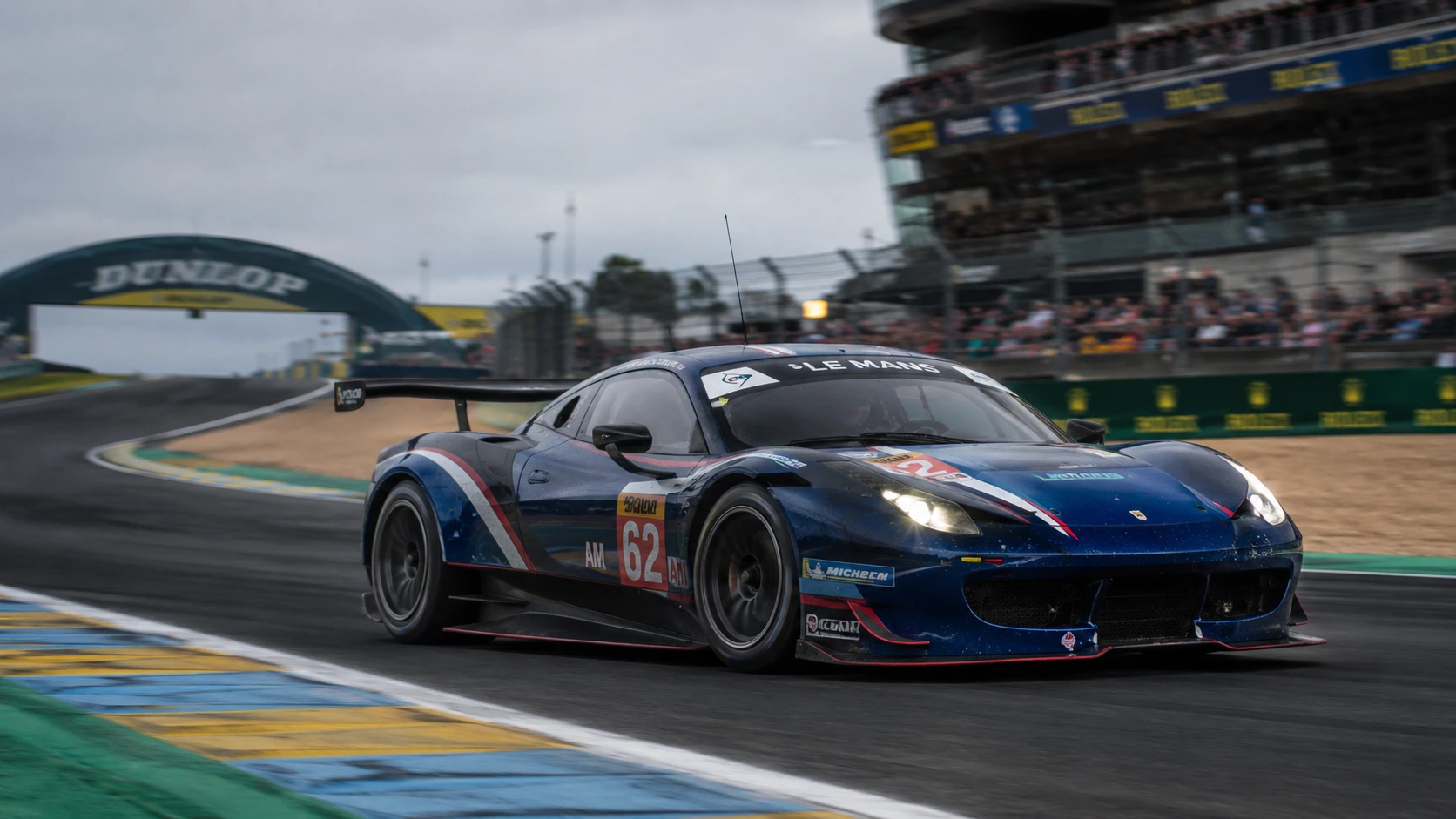
What do the names mean?
GTE means Grand Touring Endurance and was normally written as LMGTE, with the “LM” referring to Le Mans. It developed from the older GT2 category and was created specifically around major endurance competitions.
GTE cars competed in the FIA World Endurance Championship, the European Le Mans Series and the 24 Hours of Le Mans. Closely related cars also raced in IMSA under the GTLM name.
GT3 is the FIA’s global customer GT platform. GT3 cars compete in championships across Europe, North America, Asia, Australia and the Middle East.
LMGT3 is the name used for the WEC and Le Mans version of a GT3 car. The base vehicle must possess a valid FIA GT3 homologation before receiving an additional FIA/ACO LMGT3 extension.
| Name | Basic meaning | Typical use |
|---|---|---|
| LMGTE | Le Mans Grand Touring Endurance | Former WEC, Le Mans, ELMS and IMSA GTLM formula |
| GT3 | FIA global grand-touring racing platform | GT World Challenge, IMSA GTD, Nürburgring, British GT and many other series |
| LMGT3 | A GT3 car adapted and homologated for WEC and Le Mans | Current FIA WEC and 24 Hours of Le Mans GT category |
The transition from GTE to GT3
| Season | What changed? |
|---|---|
| 2022 | The final FIA WEC season containing the professional LMGTE Pro category. |
| 2023 | Only LMGTE Am remained. Ferrari, Porsche, Corvette and Aston Martin contested the final season of GTE in WEC. |
| 2024 | LMGT3 replaced LMGTE Am in WEC and at Le Mans. |
| Current era | WEC’s GT category uses FIA GT3 cars operated by private teams with Pro-Am driver line-ups. |
The change was not simply a new badge placed on the same cars. Existing GTE models such as the Porsche 911 RSR-19, Ferrari 488 GTE and Corvette C8.R were retired from current WEC competition.
They were replaced by GT3 models such as the Porsche 911 GT3 R, Ferrari 296 GT3, Chevrolet Corvette Z06 GT3.R and BMW M4 GT3.
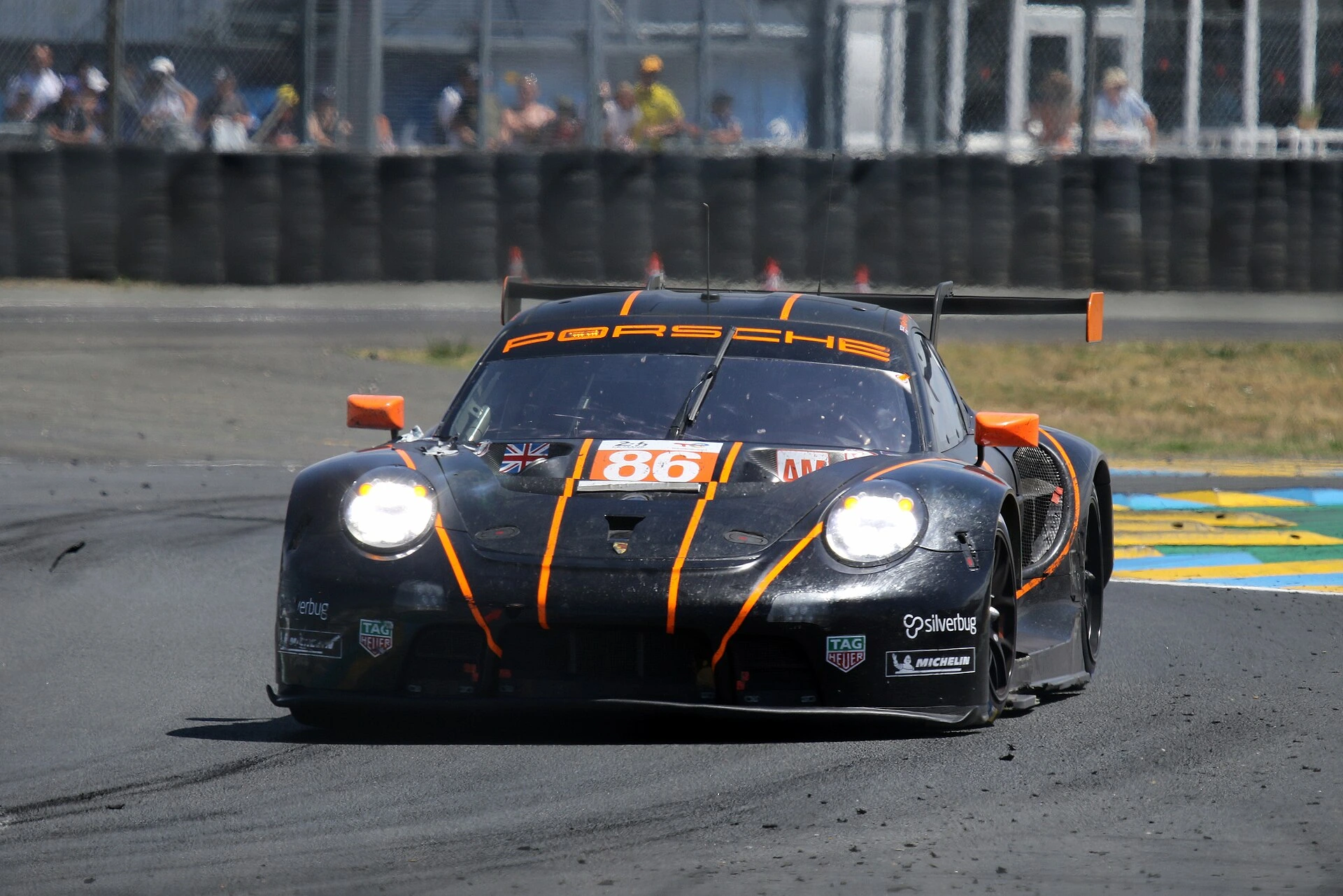
The Porsche 911 RSR-19 represented the final generation of the specialist GTE formula.
The main differences at a glance
| Feature | GTE | GT3 and LMGT3 |
|---|---|---|
| Original purpose | High-level endurance racing centred on Le Mans | Customer racing across many international and national series |
| Team model | Factory programmes and selected customer teams | Primarily private customer teams receiving manufacturer support |
| ABS | Not permitted | Racing ABS is a normal part of the platform |
| Traction control | Permitted | Permitted and adjustable by the driver |
| Aerodynamic philosophy | More specialist endurance development and model-specific engineering | Homologated against global FIA GT3 aerodynamic criteria |
| Tyres in current WEC | GTE-era arrangements varied by period | Every LMGT3 uses Goodyear control tyres |
| Where the car can race | Limited number of GTE-compatible championships | The same basic GT3 model can compete in championships around the world |
| WEC driver format | GTE Pro used professional crews; GTE Am used Pro-Am crews | LMGT3 is exclusively structured around Pro-Am line-ups |
GTE was a more specialised racing programme
GTE cars were based on recognisable production models, but they were highly specialised racing machines. Manufacturers could redesign large areas of the suspension, bodywork, transmission, cooling and aerodynamics within the homologation regulations.
The Porsche 911 RSR provides an extreme example. Porsche moved its engine ahead of the rear axle, creating a mid-engined racing layout even though the related road-going 911 remained rear-engined.
The resulting car was built primarily to win the GT category at Le Mans, in WEC and in IMSA’s former GTLM class. It was not intended to provide one customer platform for dozens of separate championships.
GTE programmes could therefore become expensive. A manufacturer might need to develop and support a GTE car while separately producing a GT3 model for customer championships.
Porsche, Ferrari, Aston Martin and Corvette all operated overlapping GTE and GT3 programmes at different points. The cars could look similar, but they were not interchangeable.
GT3 was designed around customer racing
A GT3 car is also a serious purpose-built racing machine. Calling it “customer racing” does not mean that it is a road car with a roll cage and slick tyres.
Manufacturers redesign the aerodynamics, suspension, brakes, safety structure, cooling and electronics for competition. Carbon-fibre body panels, sequential gearboxes, large diffusers and adjustable wings are normal.
The difference is the intended market. A GT3 model is designed to be sold to independent teams, supported through replacement parts and used across several championships.
A team can purchase a Ferrari 296 GT3, Porsche 911 GT3 R or BMW M4 GT3 and adapt it to several different series without buying a completely separate vehicle for each organiser.
The car will not compete in exactly the same specification everywhere. Championships apply their own Balance of Performance, tyres, fuel systems, electronics and sporting requirements. The underlying homologated platform remains recognisable.
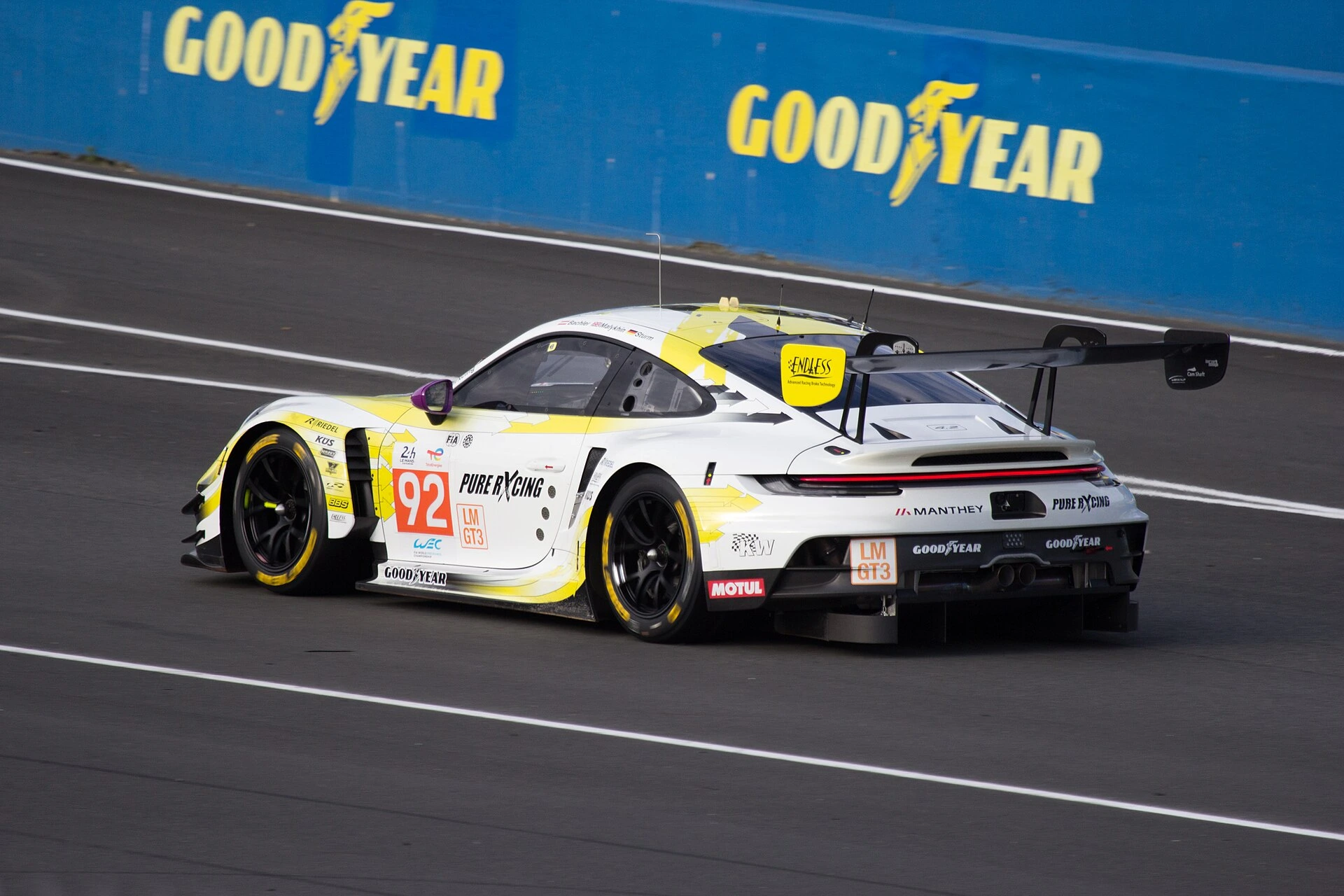
The Porsche 911 GT3 R is a global customer-racing car adapted to LMGT3 specification for WEC and Le Mans.
For a deeper explanation of GT3 rules, see our full guide: GT3 cars explained.
The biggest driving change: ABS
One of the clearest differences between GTE and GT3 is the braking system.
GTE permitted traction control and assisted gear changes, but ABS was not included among its permitted driver aids. The driver had to brake at the limit while avoiding a locked wheel.
That made braking particularly demanding in rain, during nighttime running or when moving off the normal line to pass a slower car. A serious lock-up could damage the tyre and force an unscheduled pit stop.
GT3 cars use sophisticated racing ABS. Sensors monitor the wheels and reduce braking pressure when a lock-up is beginning.
The system does not make braking automatic. Drivers still select the braking point, control the pedal and adjust the ABS setting for tyre condition and grip. It provides an additional layer of protection and consistency, particularly for Bronze and Silver drivers.
| Situation | GTE response | GT3 response |
|---|---|---|
| Driver brakes too hard | A wheel can lock until the driver reduces pedal pressure. | ABS can modulate pressure to prevent or reduce the lock-up. |
| One side of the track is wet | The driver must manually manage the difference in grip. | ABS can react independently to changing wheel speeds. |
| Tyres become worn | The driver adjusts braking technique and balance. | The driver can also change the ABS intervention setting. |
| Missed braking point | A major lock-up is more likely. | ABS may help the car remain steerable, although it cannot remove the error. |
Did GT3 make the cars much slower?
GTE cars were generally regarded as the more aggressive and specialised machines. They could generate strong aerodynamic performance and demanded more from drivers under braking.
That does not mean every GTE car always had dramatically more engine power. A final-generation Porsche 911 RSR produced approximately 515 horsepower depending on its Balance of Performance.
Current LMGT3 cars are listed at approximately 520 horsepower, again depending on Balance of Performance. Both types therefore sit in a broadly similar power range.
The lap-time difference comes from the complete package: weight, drag, downforce, tyres, ride height, braking aids, fuel load and the Balance of Performance applied for that event.
Comparing qualifying results can also be misleading. GTE Pro qualifying was often completed by professional factory drivers. Current LMGT3 opening qualifying is completed by Bronze drivers, with a Silver driver taking over for regular WEC Hyperpole.
A slower LMGT3 qualifying lap therefore does not measure only the technical difference between the cars.
Aerodynamics are now controlled through the global GT3 process
Current LMGT3 cars must first satisfy the FIA GT3 aerodynamic criteria. Their configurations are tested in the official FIA/ACO wind tunnel through a range of ride heights.
This allows officials to create an aerodynamic map showing downforce and drag as the car pitches, rolls and changes ground clearance.
The rear-wing adjustment range and other elements such as dive planes, louvres, gurneys and brake-duct blanking become part of the homologated configuration.
Teams cannot freely manufacture a new aerodynamic package during the season. They must use the parts, positions and adjustment ranges approved for that model.
GTE also used homologation and Balance of Performance, including control over minimum weight, engine restrictors, boost pressure, fuel capacity and rear-wing height. The difference is that LMGT3 begins from the FIA’s globally shared GT3 architecture rather than a separate Le Mans-specific GTE platform.
For more information on Balance Of Performance, see our full guide: What is BoP in motorsport?.
What makes an LMGT3 different from an ordinary GT3?
A GT3 car cannot automatically arrive from another championship and start the 24 Hours of Le Mans without additional approval.
The manufacturer must obtain an FIA/ACO LMGT3 homologation extension. The car must then comply with the WEC technical regulations, the event’s Balance of Performance and any additional WEC Committee instructions.
WEC-specific equipment includes drivetrain torque measurement, official data logging, marshalling information, television equipment and class-position displays.
The visible adaptations include illuminated number panels and leader lights showing whether the car is running first, second or third in its category.
All current LMGT3 cars also use Goodyear tyres, even when the same basic GT3 model competes on another manufacturer’s tyres in a different championship.
| Component | Standard FIA GT3 | WEC LMGT3 |
|---|---|---|
| Base homologation | FIA GT3 homologation form | FIA GT3 form plus FIA/ACO LMGT3 extension |
| Balance of Performance | Set by the relevant championship | Set through the WEC and Le Mans process |
| Tyres | Depend on the championship | Goodyear control tyres |
| Torque monitoring | Depends on the series | Required as part of the WEC technical package |
| Leader lights | Not universally required | Used to show the leading class positions |
| Number panels | Championship-specific | WEC and Le Mans illuminated identification system |
The driver line-up changed as well
The GTE era contained two different sporting categories.
GTE Pro allowed professional driver line-ups and major factory teams. Ferrari, Porsche, Ford, BMW, Aston Martin and Corvette fought for manufacturer honours at different points in the category’s history.
GTE Am required amateur participation and generally used cars built to an older specification than the newest Pro machinery.
LMGT3 did not preserve that two-class structure. It is a Pro-Am category focused on private teams.
A current WEC LMGT3 crew must include at least one Bronze driver and another driver categorised as Bronze or Silver. The remaining position can normally be filled by a higher-rated professional.
This means there is no direct replacement for GTE Pro. Professional factory drivers still compete in LMGT3, but they share their cars with lower-rated teammates rather than forming a separate all-professional class.
Why did WEC make the change?
| Reason | Effect of adopting GT3 |
|---|---|
| Larger manufacturer pool | Brands already producing a GT3 car can enter WEC without developing a separate GTE model. |
| Customer-team focus | Independent teams can use cars supported through established global programmes. |
| Reduced duplicated development | A manufacturer does not need one customer GT3 and another specialist GTE for similar markets. |
| Greater worldwide relevance | The same model can compete at Le Mans, Daytona, Spa, Bathurst and the Nürburgring. |
| More available cars | Teams can select from a broad market rather than a small number of active GTE programmes. |
| Longer model life | Global sales and widespread use can make continued parts and technical support more practical. |
The effect was visible immediately. The first LMGT3 WEC season included cars from Aston Martin, BMW, Corvette, Ferrari, Ford, Lamborghini, Lexus, McLaren and Porsche.
Mercedes-AMG subsequently joined the WEC category, demonstrating how the global GT3 pool can provide manufacturers that did not build a final-generation GTE car.
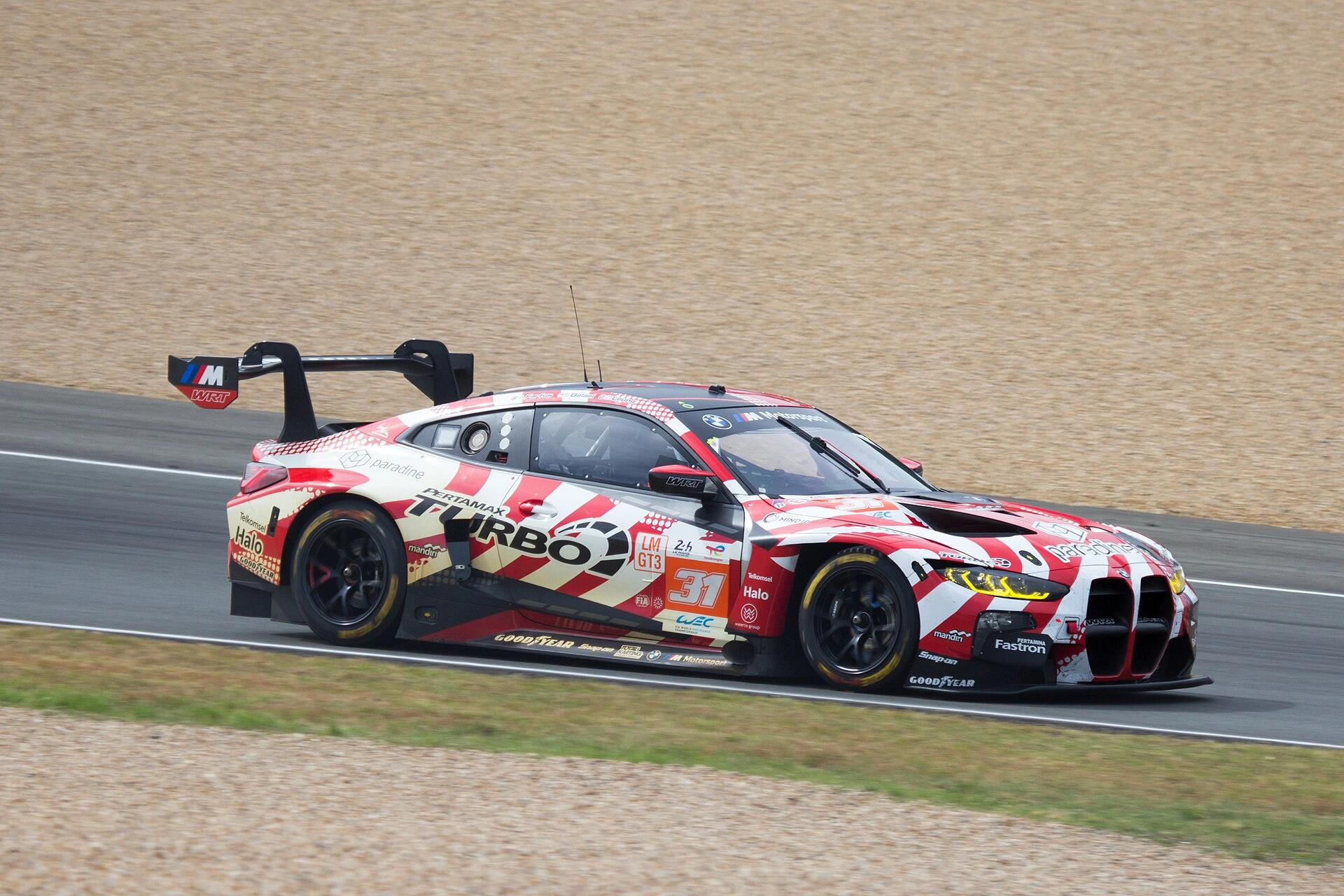
BMW returned to the WEC GT category with its existing M4 GT3 customer platform.
What was lost when GTE disappeared?
The switch provided more manufacturers and a more sustainable customer model, but some characteristics of GTE disappeared with it.
There is no longer a dedicated all-professional GT manufacturers’ battle in WEC. The old GTE Pro races placed factory teams and works drivers directly against one another without compulsory amateur participation.
GTE cars also developed a reputation for feeling more like low-roof prototypes. They had strong aerodynamic performance, no ABS and designs created specifically around top-level endurance competition.
Many fans therefore regard cars such as the Porsche 911 RSR, Ford GT, Corvette C7.R, Aston Martin Vantage GTE and Ferrari 488 GTE as a particularly dramatic generation of GT machinery.
LMGT3 offers a different type of competition. Its strength is grid size, manufacturer variety and the importance of every member of a mixed driver crew.
Common misconceptions
| Common statement | More accurate explanation |
|---|---|
| “LMGT3 is only a renamed GTE class.” | LMGT3 uses a different global technical platform and replaced the GTE cars themselves. |
| “GT3 cars are almost standard road cars.” | They are extensively modified racing machines built under detailed homologation rules. |
| “GT3 has much less power than GTE.” | Both sit in a broadly similar power range; the complete performance difference involves aero, weight, tyres and BoP. |
| “ABS means GT3 cars are easy to drive.” | ABS improves braking consistency but does not remove traffic, tyre management, setup or endurance-racing difficulty. |
| “Every GT3 is automatically an LMGT3.” | The manufacturer needs a valid LMGT3 extension and the car must carry the required WEC equipment. |
| “GTE Pro became LMGT3.” | LMGT3 replaced GTE Am’s position on the grid; WEC no longer has a separate all-professional GT class. |
What new fans should remember
GTE was a specialist endurance-racing category descended from GT2. It produced highly developed cars created primarily for WEC, Le Mans and IMSA’s former GTLM class.
GTE Pro ended after 2022, and GTE Am completed the final WEC season for the formula in 2023.
LMGT3 arrived in 2024. It uses the FIA’s global GT3 platform, allowing manufacturers to bring established customer-racing models into WEC.
The clearest driving difference is ABS. GTE allowed traction control but not ABS, while GT3 cars use both systems.
LMGT3 cars remain serious purpose-built racers. They use homologated aerodynamics, sequential transmissions, advanced electronics and extensive modifications from their road-going origins.
An LMGT3 is a GT3 with additional FIA/ACO homologation and WEC-specific equipment, including torque monitoring, official data systems, illuminated identification and leader lights.
The switch increased the number of available manufacturers and strengthened the private-team model. The trade-off was the disappearance of WEC’s dedicated professional GT factory category.
Technical specifications, Balance of Performance values, manufacturer eligibility and homologation requirements can change between seasons and events. Current FIA GT3, FIA/ACO LMGT3 and championship regulations take priority over this general guide.
Related Articles
|
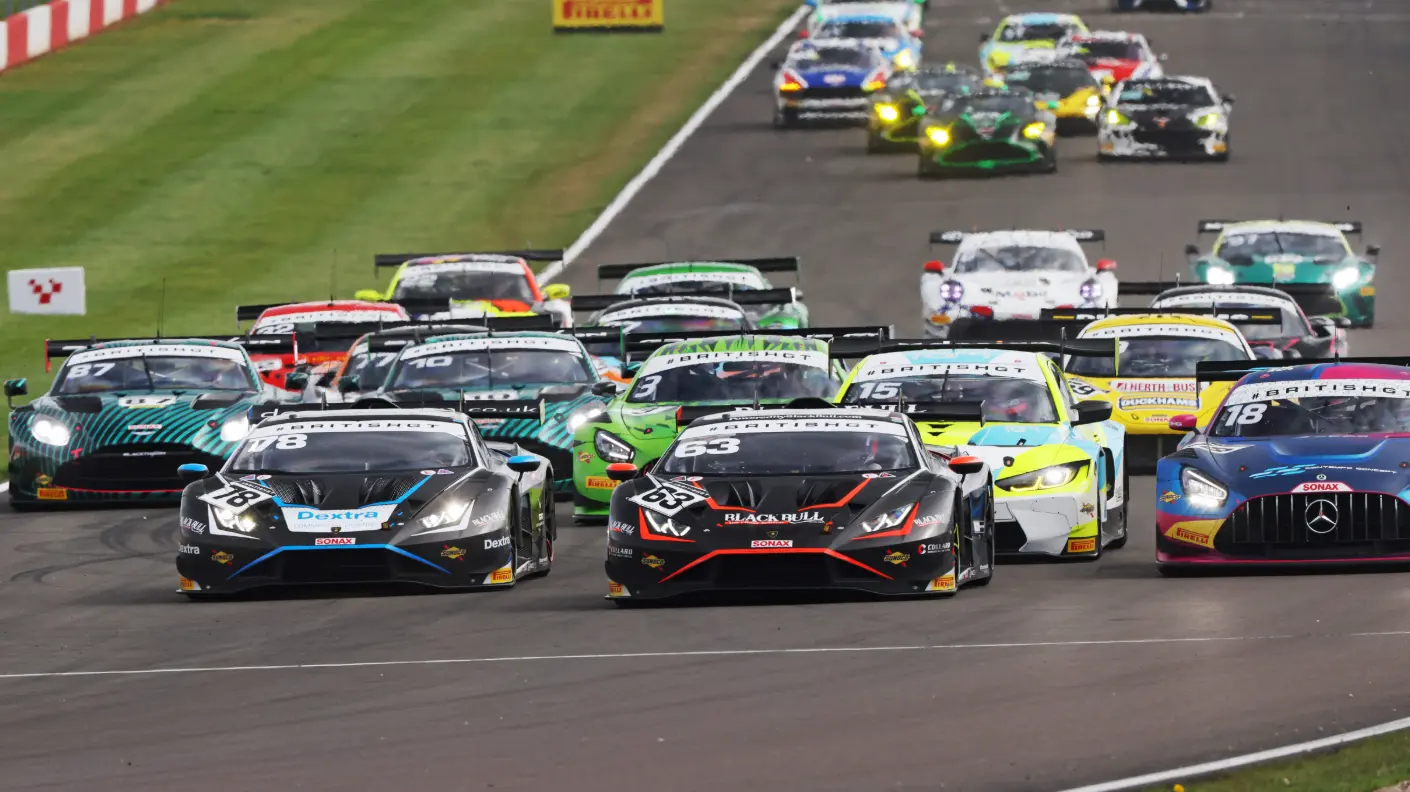
GT3 Explained: What Is a GT3 Car?
|
|
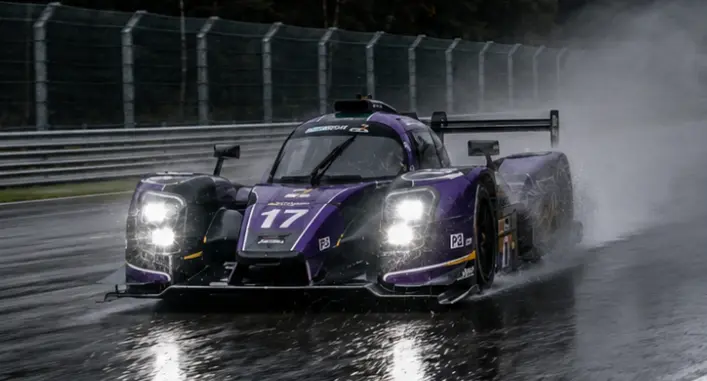
LMP3 Explained: What is an LMP3 Car?
|
|
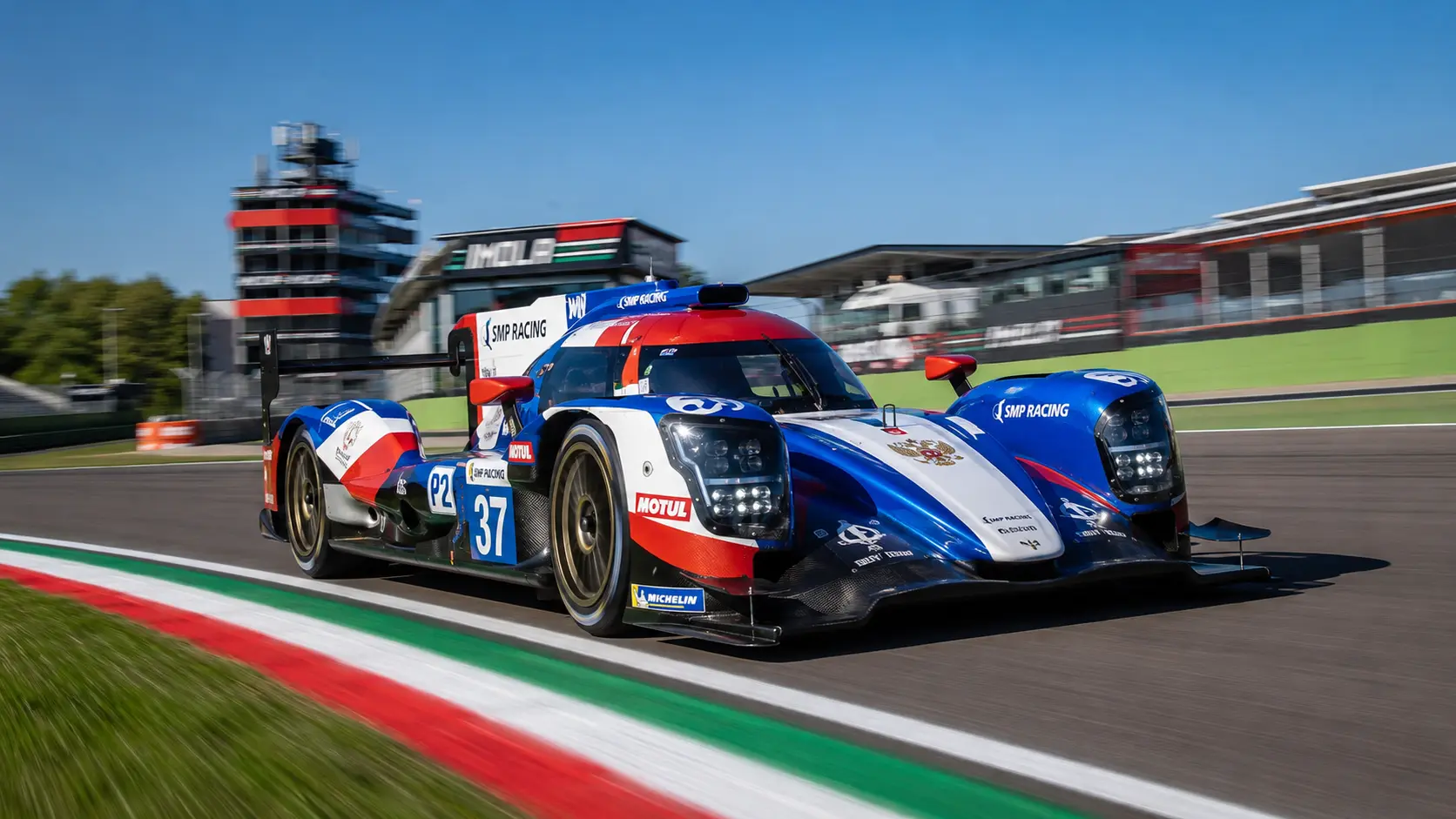
LMP2 Explained: What is an LMP2 Car?
|
|
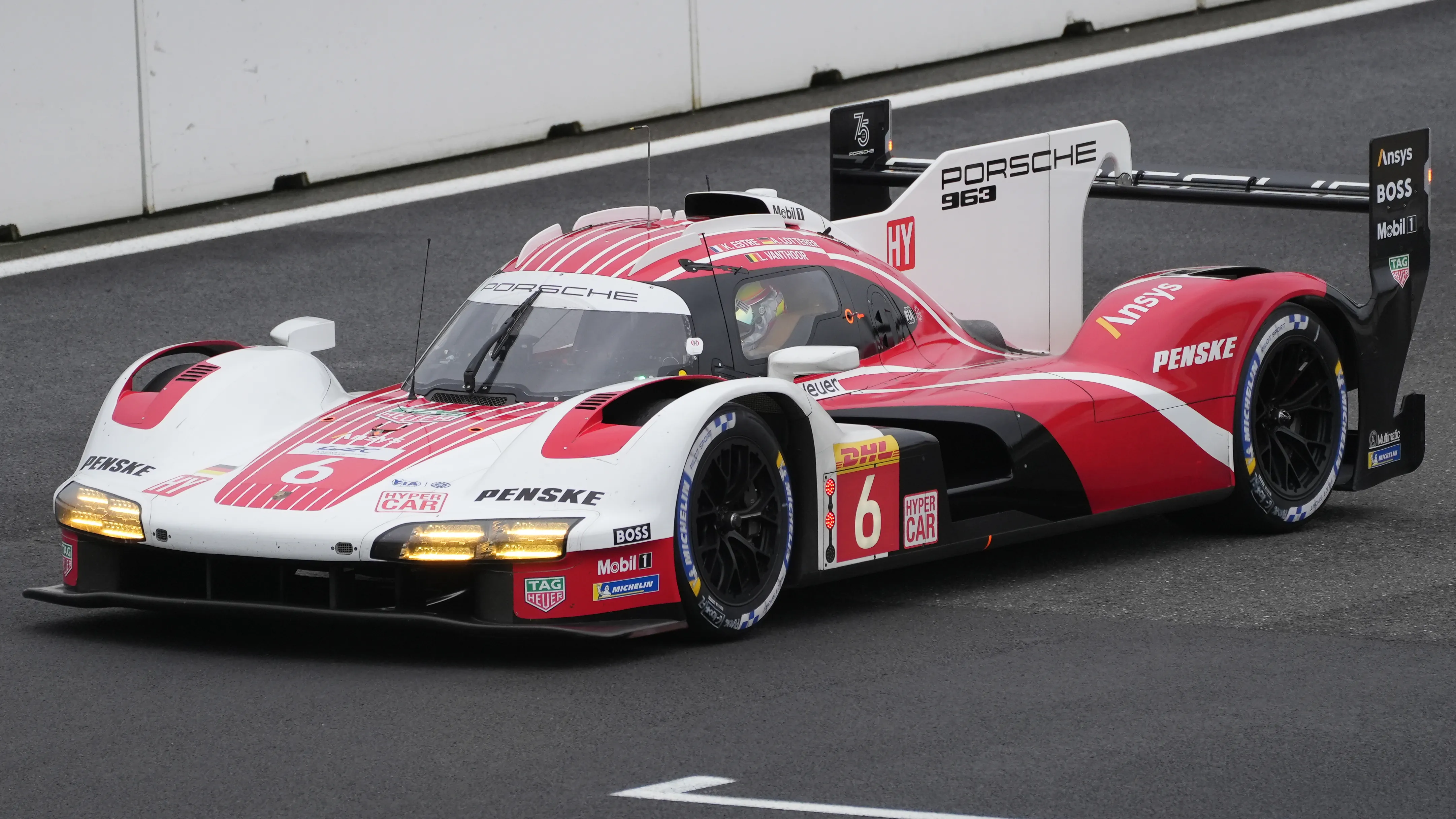
WEC vs IMSA: What’s the Difference?
|
|
NLS Starting Groups Explained
|
|
GT4 Explained: What Is a GT4 Car, and how is it different from GT3?
|
|
What Is the Difference Between GT3 and Cup 2?
|
|
Hypercar Explained: What Is a Hypercar in WEC, IMSA and Le Mans?
|
Related series

|
World Endurance Championship
|