
GT3 Explained: What Is a GT3 Car?
A beginner-friendly guide to GT3 racing - including what GT3 cars are, how they differ from road cars, Balance of Performance, Pro-Am racing, GT3 vs GT4, GT3 vs Hypercar and where to watch them.

Quick answer
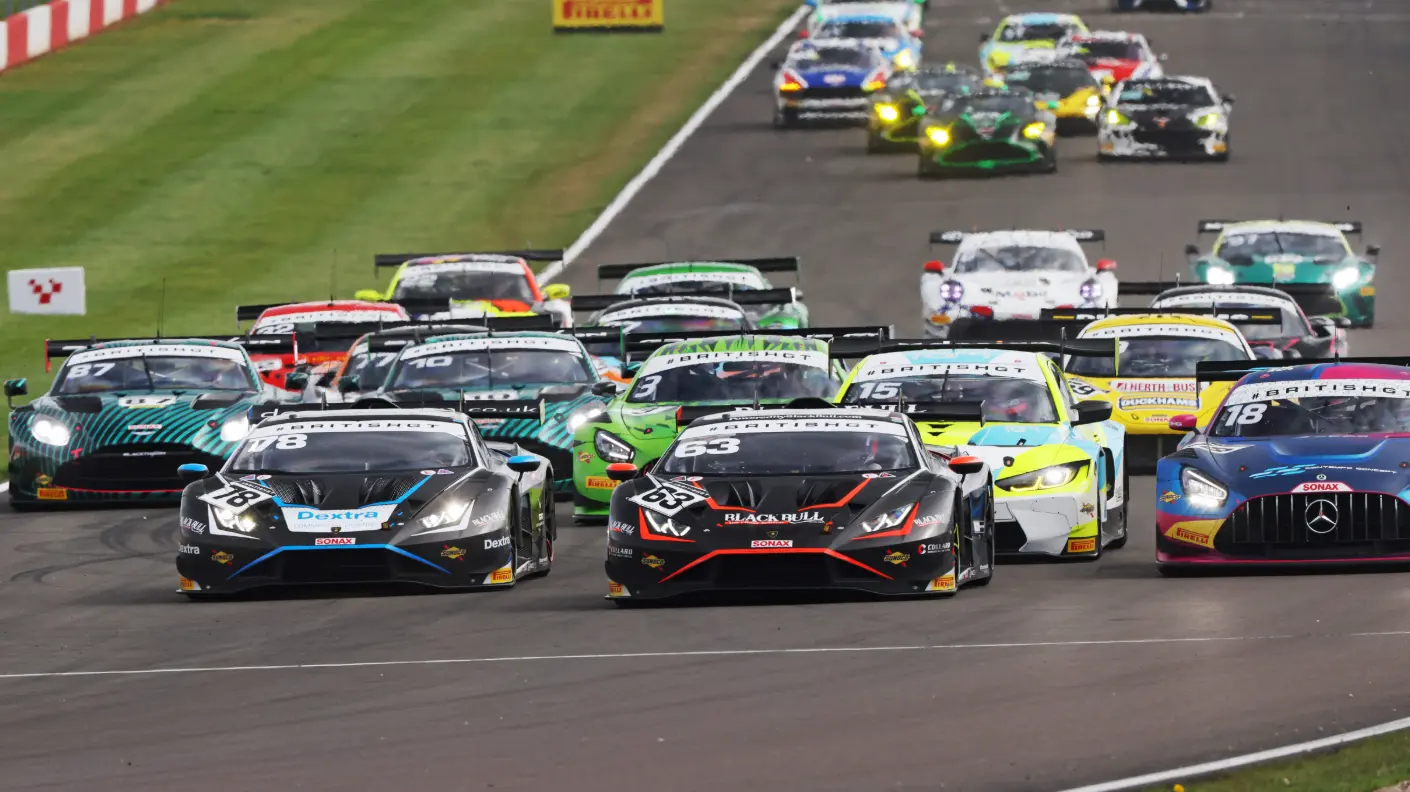
A GT3 car is a manufacturer-built racing car based on a production grand tourer or sports car, designed for professional and customer endurance racing. It keeps the basic identity of the road car - the shape, engine family and brand character - but almost everything important is changed for racing: suspension, brakes, aerodynamics, safety structure, gearbox, electronics, cooling and cockpit.
GT3 is popular because it allows cars from very different manufacturers to race together. A Porsche 911 GT3 R, Ferrari 296 GT3, BMW M4 GT3, Mercedes-AMG GT3, Lamborghini Huracán GT3 and Aston Martin Vantage GT3 are completely different road-car ideas, but Balance of Performance lets them compete in the same class. That is the heart of GT3: variety without turning every race into a one-make series.
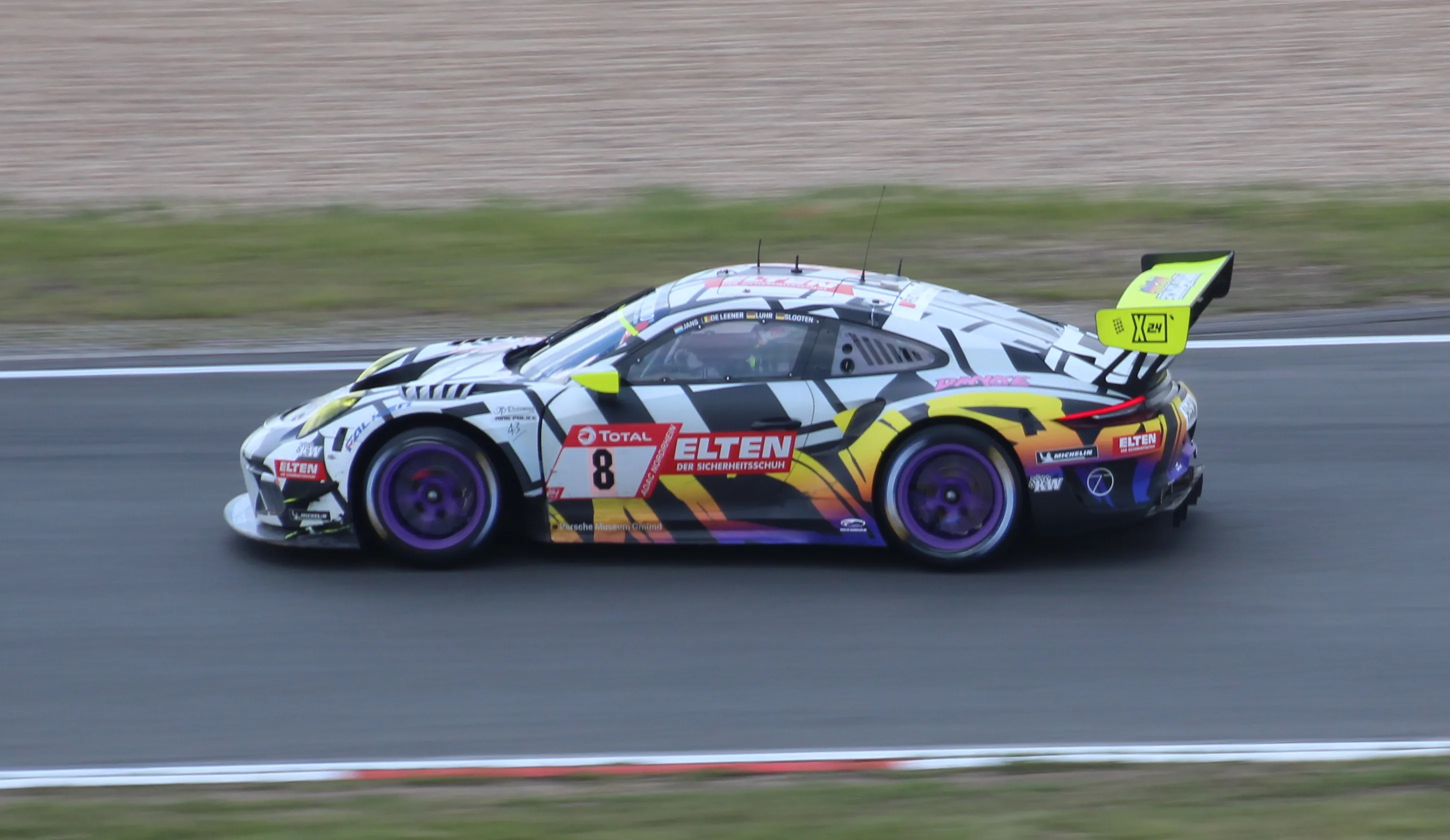
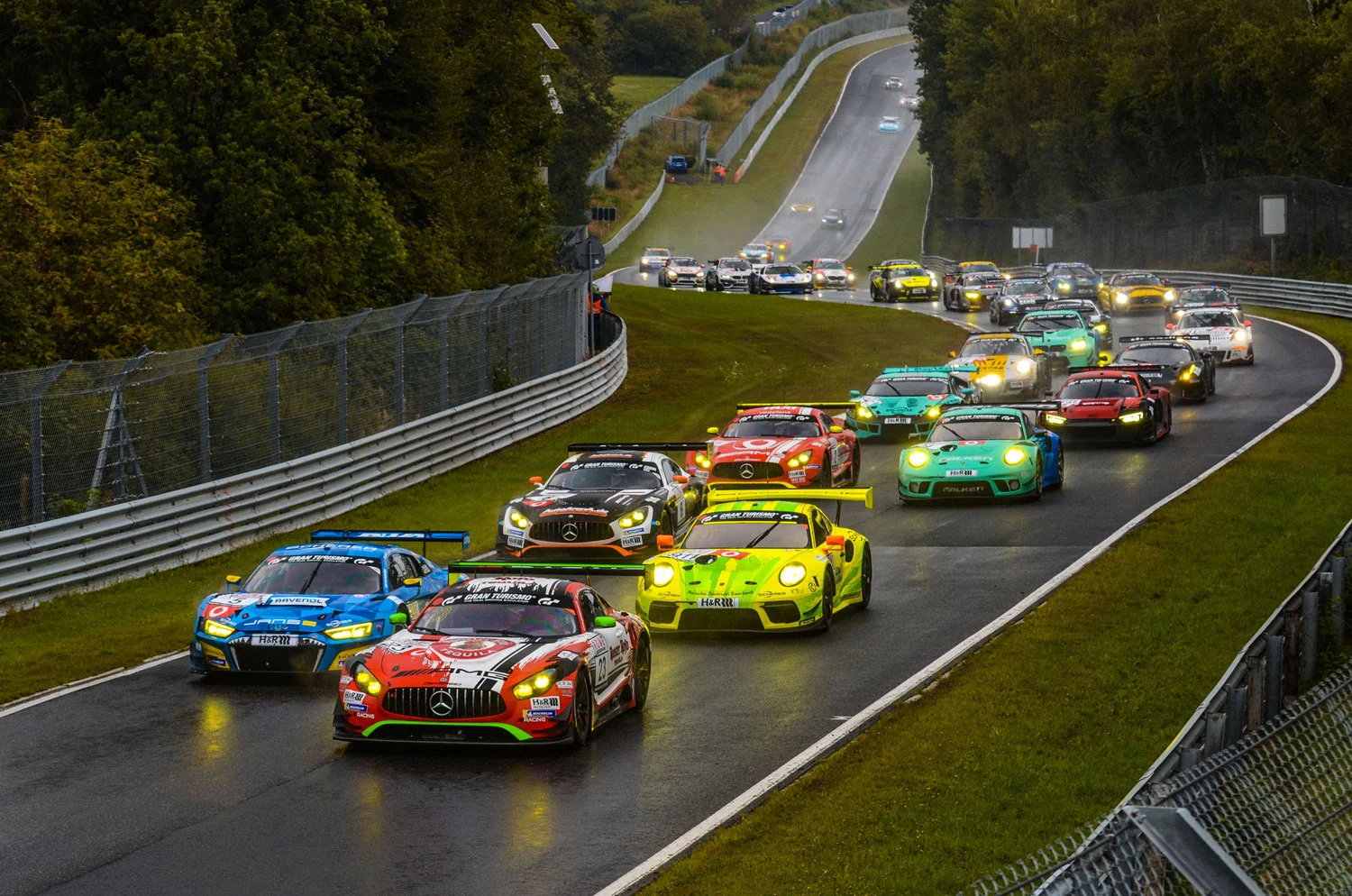
Porsche 911 GT3 R at the Nürburgring 24 Hours.
What does GT3 mean?
GT stands for Grand Touring, a term used for performance cars that are faster and more focused than normal road cars but still recognisable as production-based machines. The 3 refers to the class level within modern GT racing, not the number of seats, cylinders or doors.
In simple terms, GT3 is the main global rule set for high-performance production-based race cars. The idea is to give manufacturers a way to build and sell race cars to customer teams, while giving organisers a class that can support large, varied grids.
That is why GT3 is everywhere. You can see GT3 cars at Spa, Bathurst, Daytona, Nürburgring, Le Mans, Sebring, Monza, Silverstone, Suzuka and dozens of national circuits. It is one of the most successful ideas in modern motorsport because it works for manufacturers, private teams, professional drivers, amateur drivers and fans.
Is a GT3 car just a road car with a roll cage?
No. This is one of the biggest misunderstandings. A GT3 car is based on a road car, but it is not simply a road car with slick tyres and a roll cage. It is a purpose-built race car produced by a manufacturer or approved race department.
The body shape and engine identity may connect it to the road car, but the racing version is built for endurance competition. It needs to survive kerbs, pit stops, night racing, traffic, driver changes, brake heat, tyre degradation and contact. It also needs to be serviceable by customer teams, which is a major difference from one-off prototype engineering.
- Race safety: roll cage, racing seat, harness, fire system and crash structures.
- Race suspension: adjustable geometry, dampers, ride height and camber settings.
- Race brakes: large steel brake discs designed for long stints and repeated heavy stops.
- Race aero: splitter, rear wing, diffuser, vents and flat-floor elements depending on the car.
- Race drivetrain: sequential gearbox, racing clutch systems and endurance-specific cooling.
- Race cockpit: stripped interior, switches, display, radio, driver cooling and quick-change controls.
.webp)
Ferrari 296 GT3 in WEC trim.
Why was GT3 created?
GT3 was created to make international GT racing more sustainable. Older GT categories often became expensive development battles where only a few manufacturers or factory teams could compete properly. GT3 took a different approach: let manufacturers build customer cars, control performance through rules and Balance of Performance, and keep a wide range of brands competitive.
That philosophy changed GT racing. Instead of one or two dominant cars, GT3 allowed Aston Martin, Audi, BMW, Corvette, Ferrari, Lamborghini, Lexus, McLaren, Mercedes-AMG, Porsche and others to race in the same ecosystem. The cars are not identical, but they are brought into a performance window so teams can fight on execution rather than unrestricted spending.
For fans, that means GT3 grids usually have variety. The cars look different, sound different and behave differently, but the racing can still be close.
How fast is a GT3 car?
GT3 cars are fast enough to feel serious, but they are not the fastest cars in motorsport. They sit below prototypes such as Hypercar and LMP2, and far below Formula 1 in pure lap time. Their appeal is not that they are the quickest cars on earth. Their appeal is that they combine recognisable shapes, close racing, endurance durability and manufacturer variety.
- Power: often around 500-600 bhp before event-specific balancing, but exact output depends on BoP.
- Weight: usually around the 1,200-1,300 kg range, depending on car and series adjustments.
- Brakes: steel discs, not carbon-carbon F1-style brakes.
- Tyres: slick racing tyres, often from a single supplier depending on the championship.
- Downforce: much more than a road car, much less than a prototype or F1 car.
- Top speed: strong, but circuit-specific and shaped by BoP, drag and gearing.
The most important performance feature is balance. A GT3 car must be quick enough for professional racing but usable enough for customer teams and amateur drivers. That is why GT3 cars are generally robust, predictable and designed to run for long distances without needing factory-only levels of support.
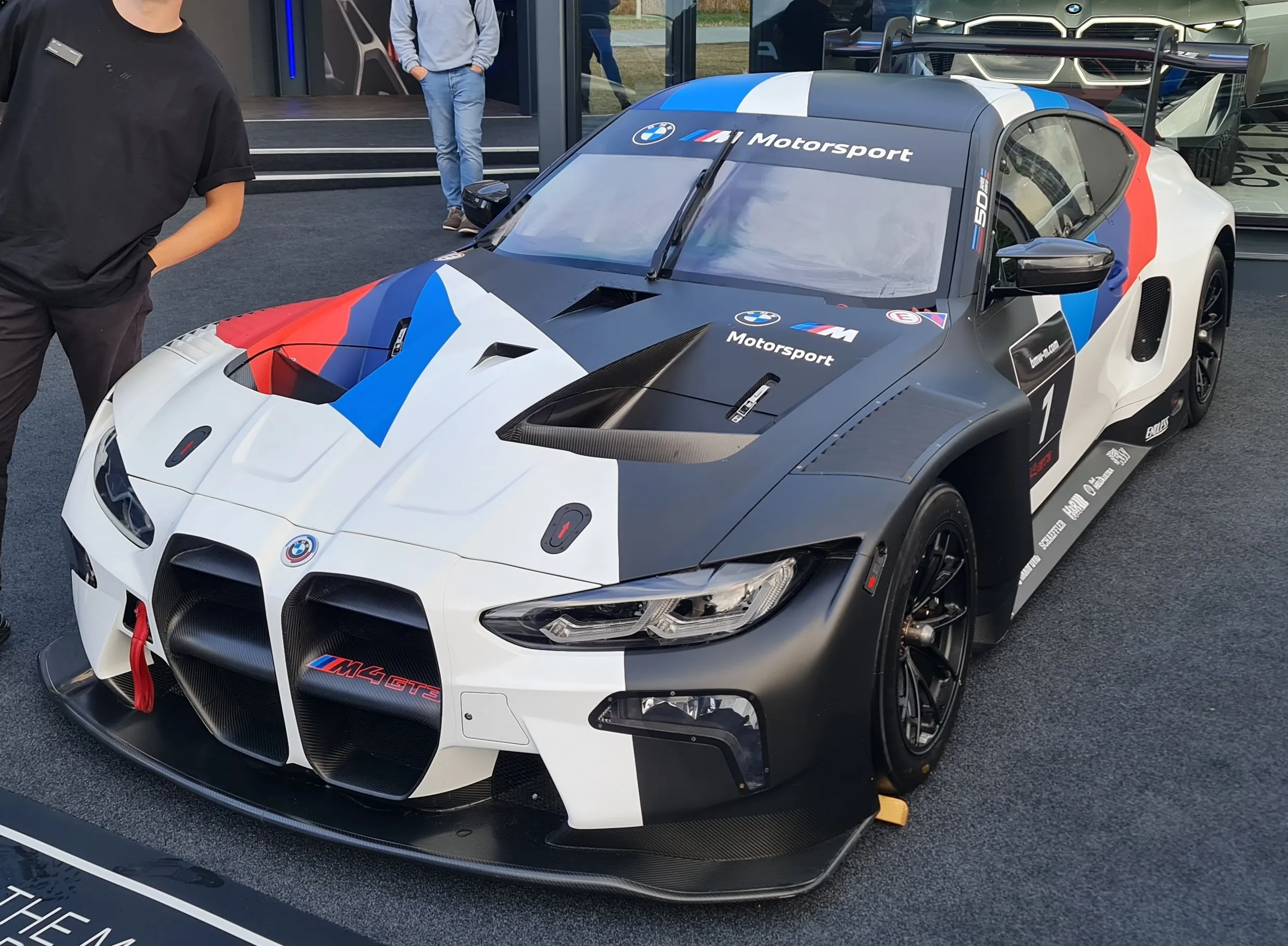
BMW M4 GT3.
What is Balance of Performance in GT3?
Balance of Performance, usually shortened to BoP, is the system that makes GT3 possible. Without it, a mid-engined Ferrari, a rear-engined Porsche, a front-engined Mercedes-AMG and a large BMW coupe would not naturally produce the same lap time. They have different engines, weights, wheelbases, aero shapes and tyre behaviour.
BoP adjusts performance so different cars sit in a competitive window. It can involve changes to weight, power, boost pressure, restrictors, ride height, fuel capacity or other parameters depending on the series. The aim is not to make every car identical. It is to stop one layout or manufacturer from having an unfair advantage because of the basic concept of the car.
- Why BoP exists: to let different car concepts race fairly.
- What BoP can change: power, weight, boost, restrictors, fuel and other performance parameters.
- Why fans argue about it: it can be hard to know how much pace is driver, team, car or adjustment.
- Why GT3 needs it: without BoP, the class would likely become expensive and less varied.
BoP is not perfect, and it will always be debated. But it is the reason GT3 can have large grids filled with very different cars. If you enjoy seeing Porsche, Ferrari, BMW, Mercedes-AMG, McLaren, Lamborghini and Aston Martin racing together, BoP is the compromise that makes that possible.
Why do GT3 races have Pro, Pro-Am and Am classes?
GT3 is built around customer racing, so not every driver in the field is a full-time factory professional. Many championships use driver categorisation to create fairer sub-classes. Drivers are usually graded by experience and results, commonly using categories such as Platinum, Gold, Silver and Bronze.
That is why a GT3 race may have several battles happening at once. One car may be fighting for the overall win with a professional line-up. Another may be fighting for Pro-Am victory with one professional and one amateur. Another may be running in an Am or Bronze-focused class. This is not a weakness of GT3; it is one of the reasons the class has so many entries.
- Pro: usually professional line-ups, often factory or factory-supported drivers.
- Pro-Am: a mix of professional and amateur drivers.
- Silver: often young or semi-professional drivers, depending on the series.
- Am / Bronze: amateur or gentleman-driver-focused line-ups.
For beginners, always check the class column on timing. A car running 18th overall may still be leading Pro-Am. A car that looks “slow” compared with factory teams may be having an excellent race within its category.
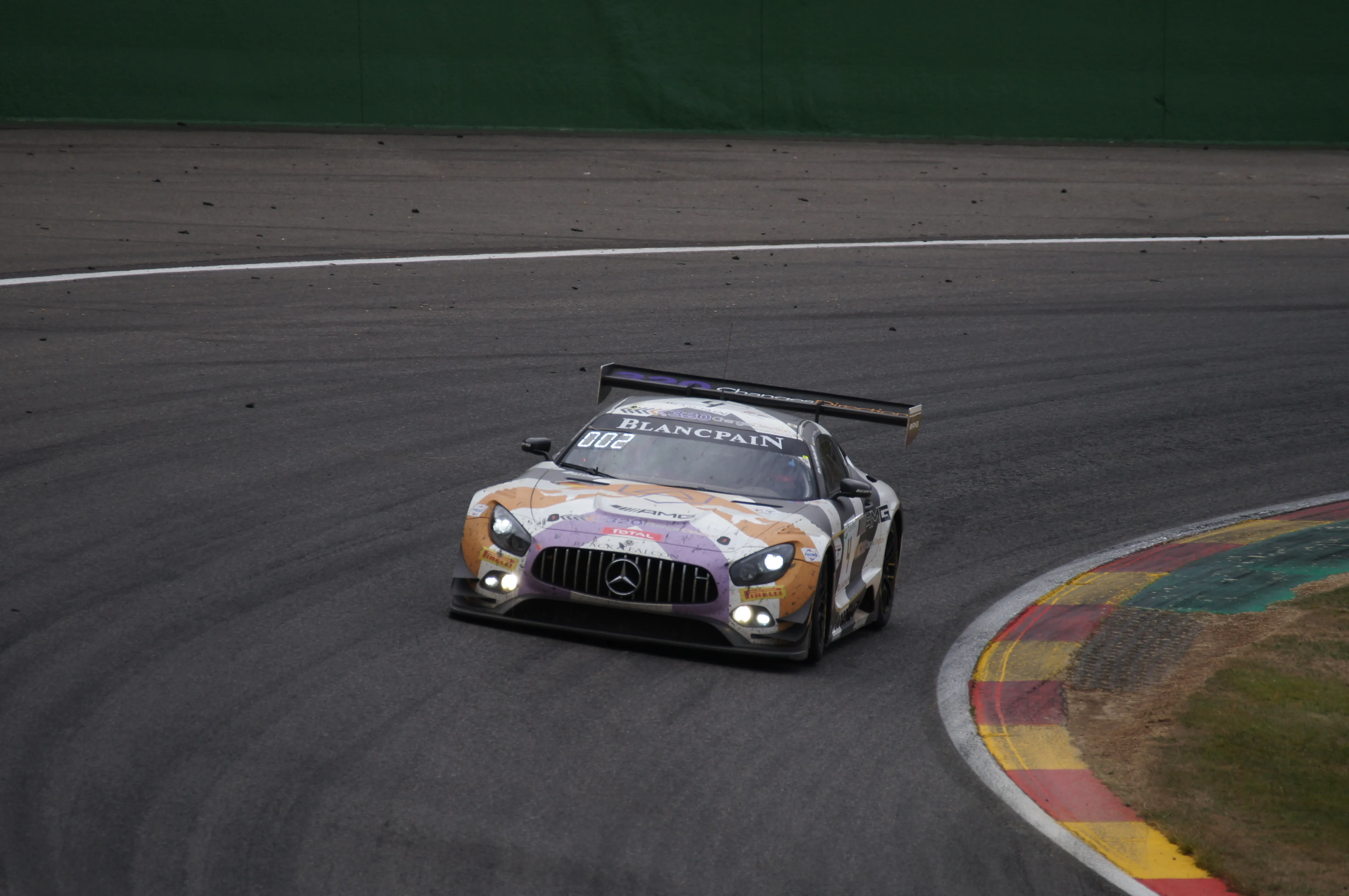
Mercedes-AMG GT3 at the 24 Hours of Spa.
Sprint racing vs endurance racing
GT3 cars are used in both sprint and endurance formats. That flexibility is one of the class’s biggest strengths. The same basic car concept can race in a one-hour sprint, a three-hour GT World Challenge race, a six-hour endurance event, a 12-hour classic or a 24-hour race.
- Sprint races: shorter, more aggressive and usually built around track position, qualifying and quick pit windows.
- Endurance races: longer, more strategic and shaped by driver changes, reliability, tyre management and traffic.
- 24-hour races: the ultimate GT3 test, where pace matters but avoiding mistakes matters more.
A GT3 car must therefore be more than fast. It has to be serviceable, comfortable enough for several drivers, consistent across stints and tough enough to survive contact, kerbs, weather and fatigue. That is why endurance GT3 racing can be so satisfying to follow: the winner is not always the fastest car over one lap, but the car and team that execute the complete race best.
GT3 vs GT4: what is the difference?
GT3 is faster, more expensive, more aerodynamically developed and more professional than GT4. GT4 is also production-based customer racing, but it is designed to be more accessible, closer to the road car and less extreme.
- GT3: higher power, more aero, stronger brakes, more professional teams, higher cost.
- GT4: lower power, less aero, closer to road-car specification, more accessible for amateur drivers.
The simple fan comparison is this: GT4 is the more approachable category; GT3 is the serious top-level customer GT category. Both are valuable, but they serve different budgets and driver levels.
For a deeper guide, see: GT4 Explained - What Is a GT4 Car, and how is it different from GT3?.
GT3 vs Hypercar: why they are not the same thing
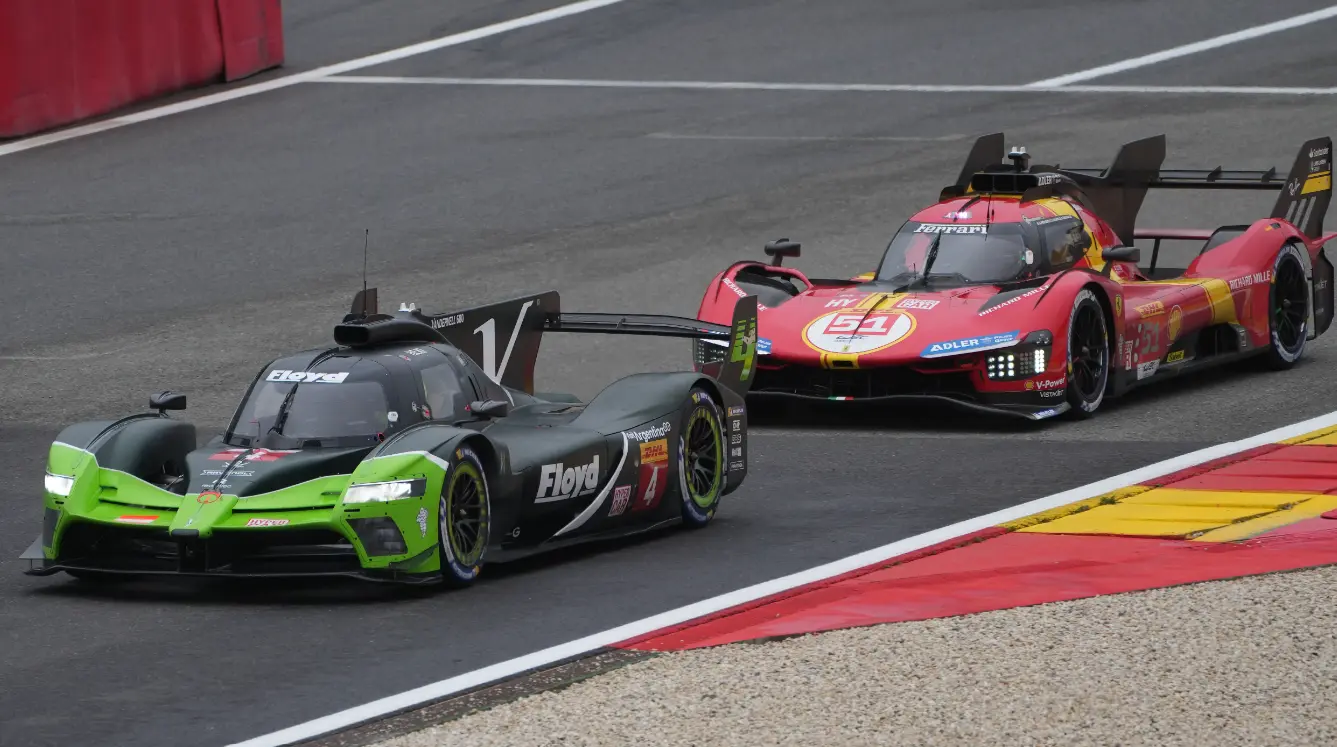
At Le Mans and in WEC, GT3 cars share the track with Hypercars, but they are completely different types of machine. A Hypercar is a prototype built to fight for overall victory. A GT3 car is a production-based GT car fighting for class victory.
- Hypercar: prototype, fastest class, professional driver crews, overall victory.
- LMGT3: production-based, slower than Hypercar, class victory, Pro-Am driver requirements in some series.
- Biggest difference on track: closing speed. Hypercars catch GT3 cars very quickly, especially into braking zones.
- Biggest difference for fans: Hypercar is about the overall race; GT3 is often about class battles and manufacturer variety.
For more on the top class of endurance racing, see: Hypercar explained.
What is LMGT3 at Le Mans and WEC?
.webp)
BMW M4 LMGT3 at Le Mans.
LMGT3 is the GT class used by the FIA World Endurance Championship and the 24 Hours of Le Mans. It is based on the current FIA GT3 platform but adapted for WEC and Le Mans requirements, such as class identification and endurance-specific details.
LMGT3 replaced the old GTE rules in WEC and at Le Mans. For fans, the important point is simple: the GT class at Le Mans now uses GT3-based cars. That means familiar GT3 models from major manufacturers can fight in the world’s most famous endurance race.
For more info on why GTE was replaced in WEC for LMGT3, see: GT3 & GTE: Why Did The Grand Touring Cars Change?.
- Class role: GT class in WEC and at Le Mans.
- Car base: current FIA GT3 platform.
- Performance: subject to Balance of Performance.
- Driver line-up: includes amateur-driver requirements in WEC/Le Mans.
- Why it matters: GT3 now has a direct route into Le Mans.
Where can you watch GT3 racing?
GT3 is one of the easiest motorsport classes to find because it is used all over the world. Some series are purely GT3, while others include GT3 as one class within a larger grid.
- FIA WEC / Le Mans: LMGT3 class alongside Hypercar and, at Le Mans, LMP2.
- IMSA WeatherTech SportsCar Championship: GT3-based GTD and GTD Pro classes in North America.
- Intercontinental GT Challenge: major endurance events such as Bathurst, Spa and other international races.
- 24 Hours of Nürburgring / NLS: SP9 is the GT3 class fighting at the front.
- GT World Challenge: major global GT3 platform with Europe, America, Asia and Australia championships.
- British GT, Italian GT, DTM and national series: GT3 appears in many national and regional championships.
- GT Open and Asian Le Mans Series: more places where GT3 forms an important part of the grid.
If you are new to GT3, start with a major endurance race. The 24 Hours of Spa, Bathurst 12 Hour, Nürburgring 24 Hours, Daytona 24, Sebring 12 Hours and Le Mans LMGT3 class all show different sides of what GT3 can be.
How do you recognise a GT3 car?
GT3 cars are easy to recognise once you know what to look for. They still look like the road cars they are based on, but everything is wider, lower, more aggressive and more functional.
- Large rear wing: one of the easiest GT3 identifiers.
- Front splitter: low, wide aero surface at the front.
- Wider stance: race wheels, flared arches and lower ride height.
- Vents and louvres: used for cooling and aerodynamic control.
- Race cockpit: visible roll cage, racing seat and stripped interior.
- Manufacturer shape: still clearly a Porsche, Ferrari, BMW, Mercedes-AMG, Aston Martin or similar.
- Sound: GT3 cars often have strong engine character because they use different engine layouts.
A Porsche 911 GT3 R sounds and behaves differently from a Mercedes-AMG GT3. A Ferrari 296 GT3 does not feel the same as a BMW M4 GT3. That variety is one of the best reasons to watch GT3 racing in person.
Examples of modern GT3 cars
The exact list of homologated cars changes over time, but these are some of the most recognisable modern GT3 models:
- Porsche 911 GT3 R: rear-engined GT3 benchmark with a long endurance-racing history.
- Ferrari 296 GT3: modern Ferrari GT3 with a turbocharged V6 and major Le Mans/WEC relevance.
- BMW M4 GT3: large front-engined GT3 car used globally in endurance and sprint racing.
- Mercedes-AMG GT3: front-engined V8 GT3 known for sound, durability and customer success.
- Lamborghini Huracán GT3: mid-engined GT3 platform used by customer teams worldwide.
- Audi R8 LMS GT3: one of the defining GT3 cars of the modern era.
- McLaren 720S GT3: mid-engined GT3 car with strong sprint and endurance presence.
- Aston Martin Vantage GT3: front-engined GT car with a strong identity and endurance programme.
- Corvette Z06 GT3.R: modern Corvette customer GT3 platform.
- Ford Mustang GT3: newer GT3 entrant with strong brand recognition and endurance appeal.
Why is GT3 called customer racing?
GT3 is called customer racing because manufacturers build cars that can be bought and operated by private teams. That does not mean cheap. A GT3 programme is expensive by normal standards. But compared with developing a prototype or running a full factory-only programme, GT3 gives more teams a realistic way into serious international racing.
Customer racing also changes the culture. You get factory drivers, manufacturer support and pro teams, but you also get private entrants, Pro-Am crews and gentleman drivers. A single GT3 paddock can include factory-supported title contenders, wealthy amateur drivers, young professionals, national champions and endurance specialists.
- Manufacturer role: build the car, provide parts, updates and technical support.
- Team role: buy or lease cars, run the programme, hire drivers and manage race operations.
- Driver role: ranges from full factory professional to amateur owner-driver.
- Why it works: more cars, more brands and more business reasons to keep the class alive.
How are GT3 races won?
GT3 racing rewards consistency as much as raw speed. In a sprint race, qualifying and track position matter heavily. In endurance racing, the winning car usually needs clean stints, strong pit work, reliable brakes, good tyre management and no major penalties.
- Qualifying: important, especially in short races where passing is difficult.
- Tyre management: a car that is gentle on tyres can be strong late in a stint.
- Pit stops: driver changes, tyre changes and refuelling can decide endurance races.
- Traffic: GT3 cars often share the track with faster prototypes or slower classes.
- Driver balance: all drivers in the crew must be consistent, not just the quickest pro.
- Penalties: track limits, contact, pit-speeding and stint-time rules can ruin a race.
- Reliability: finishing without brake, gearbox, cooling or contact damage is crucial.
The best GT3 teams are not just fast. They are calm. They avoid unnecessary contact, keep the car in the right window, execute pit stops cleanly and understand when to attack and when to survive.
Common GT3 myths
- “GT3 cars are just road cars.” No. They are race cars based on road-car models.
- “GT3 means Porsche 911 GT3.” No. Porsche uses GT3 in road-car names too, but GT3 racing is a wider class for many manufacturers.
- “BoP makes the racing fake.” BoP is debatable, but it is what allows different car concepts to race together.
- “GT3 is slow.” GT3 is slower than prototypes and F1, but still extremely fast compared with road cars and most national race cars.
- “Pro-Am means low quality.” No. Pro-Am racing can be excellent; it simply mixes professional and amateur drivers.
- “All GT3 cars are the same underneath.” No. They are balanced to compete together, but engine layout, chassis character and strengths still differ.
- “The fastest car should always win.” In GT3, tyre use, pit stops, driver line-up and traffic often matter as much as raw pace.
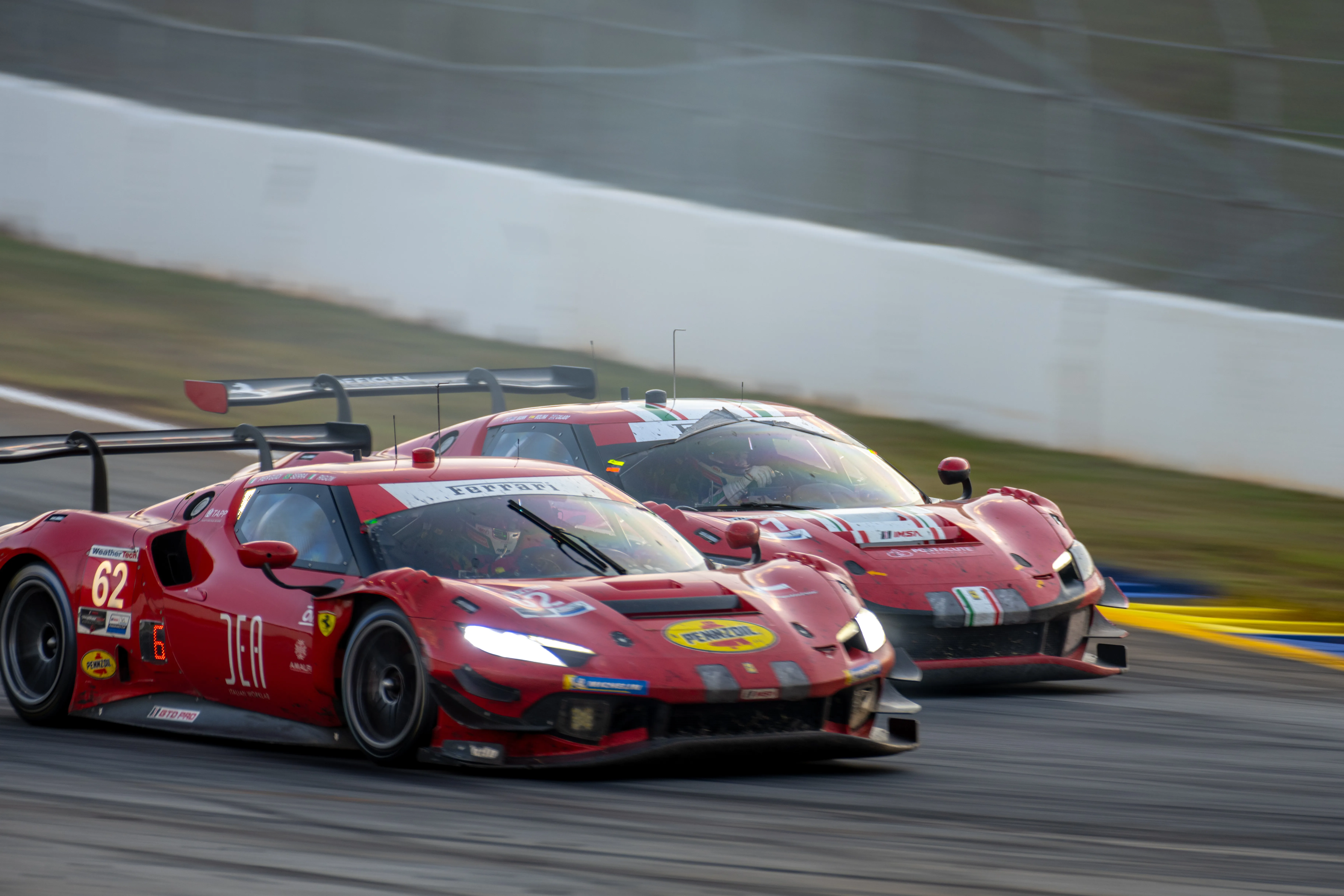
GT3 is the most important modern GT racing category because it combines recognisable cars, manufacturer variety, customer teams, professional drivers, amateur drivers and endurance durability in one global rule set. It is not the fastest class in motorsport, but it may be the most flexible and widely used.
If you are new to GT3, remember the simple version: these are serious race cars based on production sports cars, balanced so different brands can race together. Once you understand BoP, Pro-Am line-ups and the difference between GT3, GT4 and prototypes, the class becomes much easier to follow - and much more rewarding to watch.
Information can change by championship and season, especially Balance of Performance, homologation status, driver categories, car eligibility and series-specific rules. Always check the official FIA, SRO, IMSA, WEC, Le Mans or event regulations for the current rulebook. Image licences should be checked on the original file pages before publication.
Related Articles
|
LMP3 Explained: What is an LMP3 Car?
|
|
LMP2 Explained: What is an LMP2 Car?
|
|
NLS Starting Groups Explained
|
|
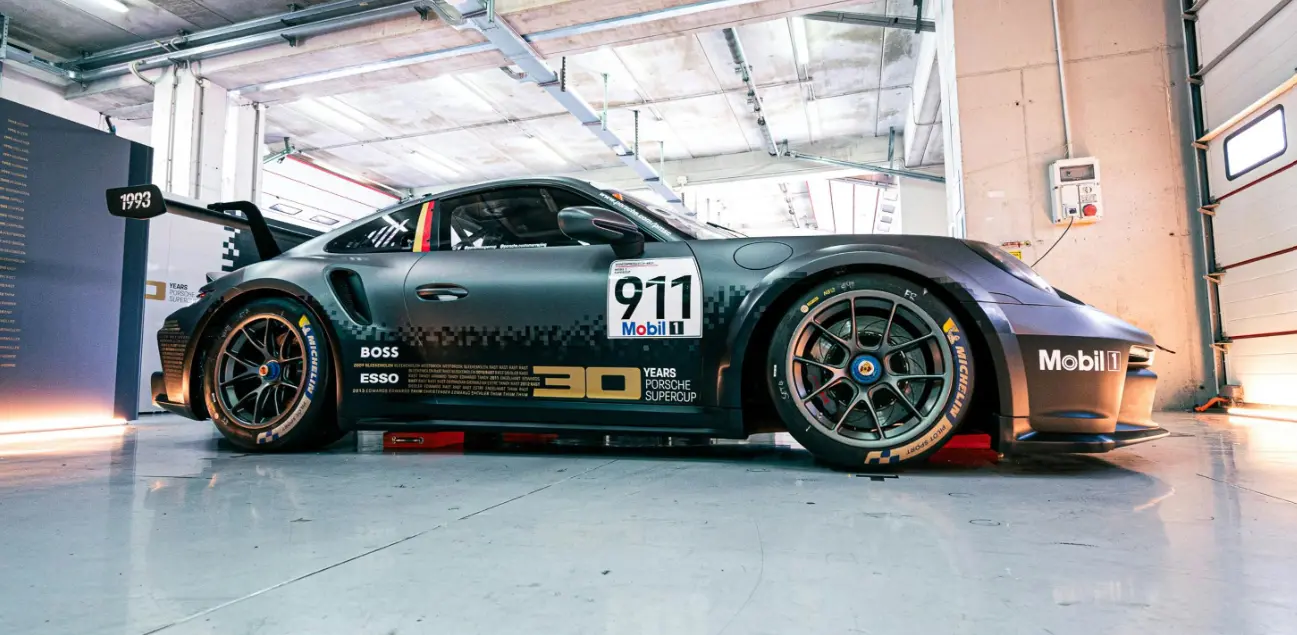
What Is the Difference Between GT3 and Cup 2?
|
|
Car Classes of NLS & 24 Hours of Nürburgring Explained
|
|
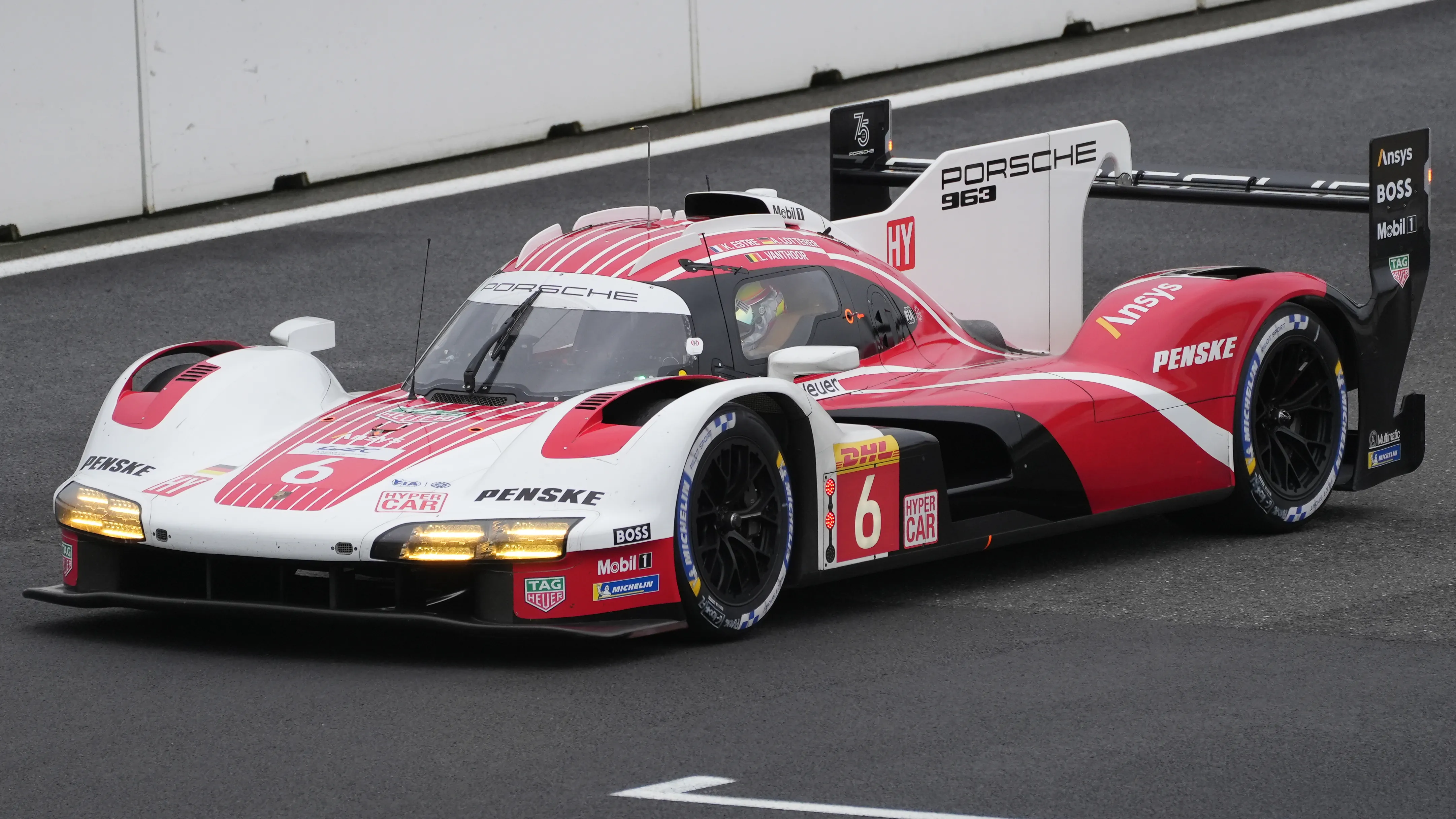
WEC vs IMSA: What’s the Difference?
|
|
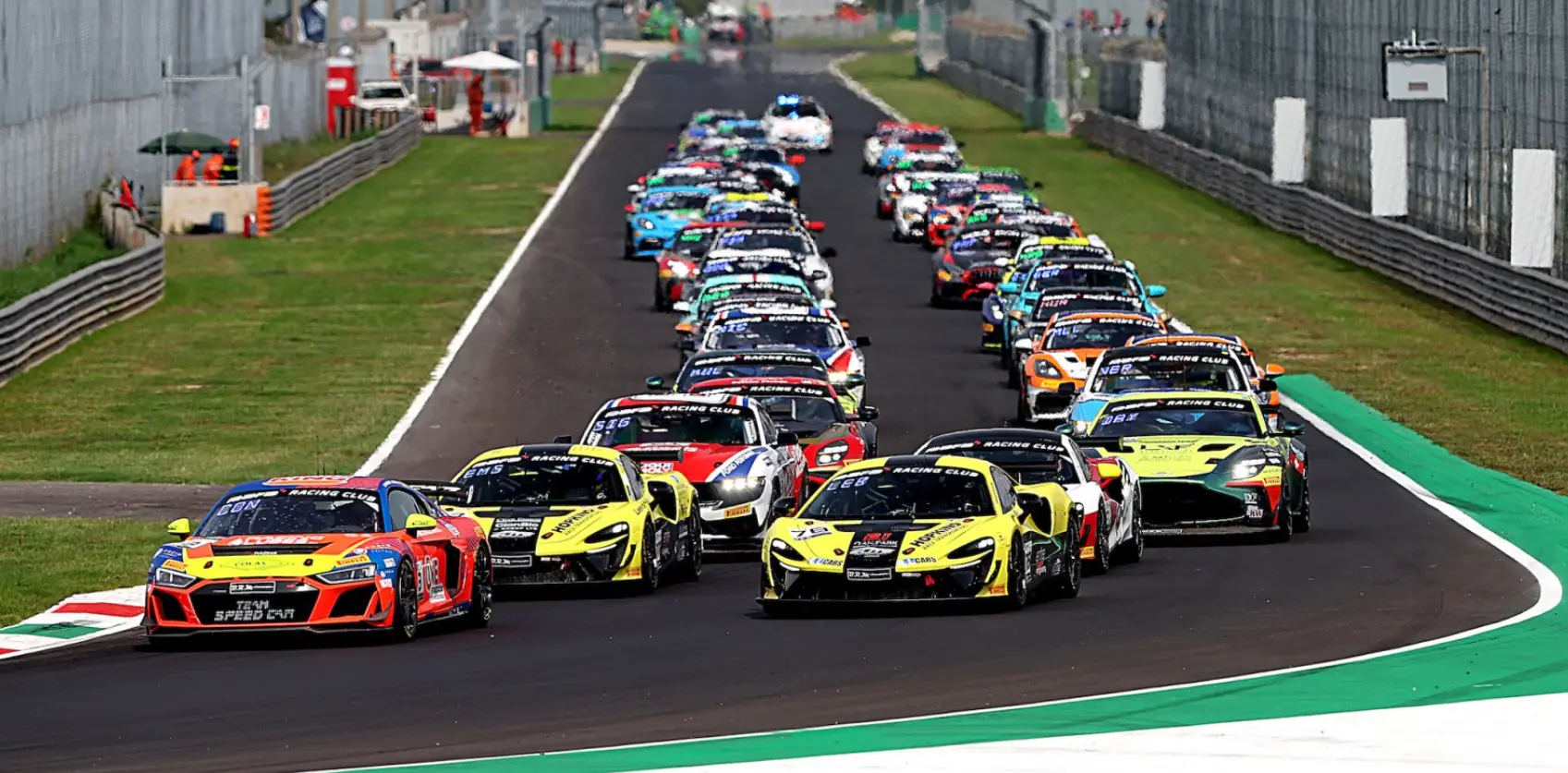
GT4 Explained: What Is a GT4 Car, and how is it different from GT3?
|
|
Hypercar Explained: What Is a Hypercar in WEC, IMSA and Le Mans?
|
Related series

|
Asian Le Mans Series
|

|
Deutsche Tourenwagen Masters
|

|
Nürburgring Langstrecken-Serie
|

|
European Le Mans Series
|

|
Intercontinental GT Challenge
|

|
International Motor Sports Association
|

|
World Endurance Championship
|
Related tracks

|
Nürburgring
|