
GT4 Explained: What Is a GT4 Car, and how is it different from GT3?
A beginner-friendly guide to GT4 racing - including what GT4 cars are, how they differ from road cars and GT3 cars, Balance of Performance, driver categories, costs, series and how to watch them.

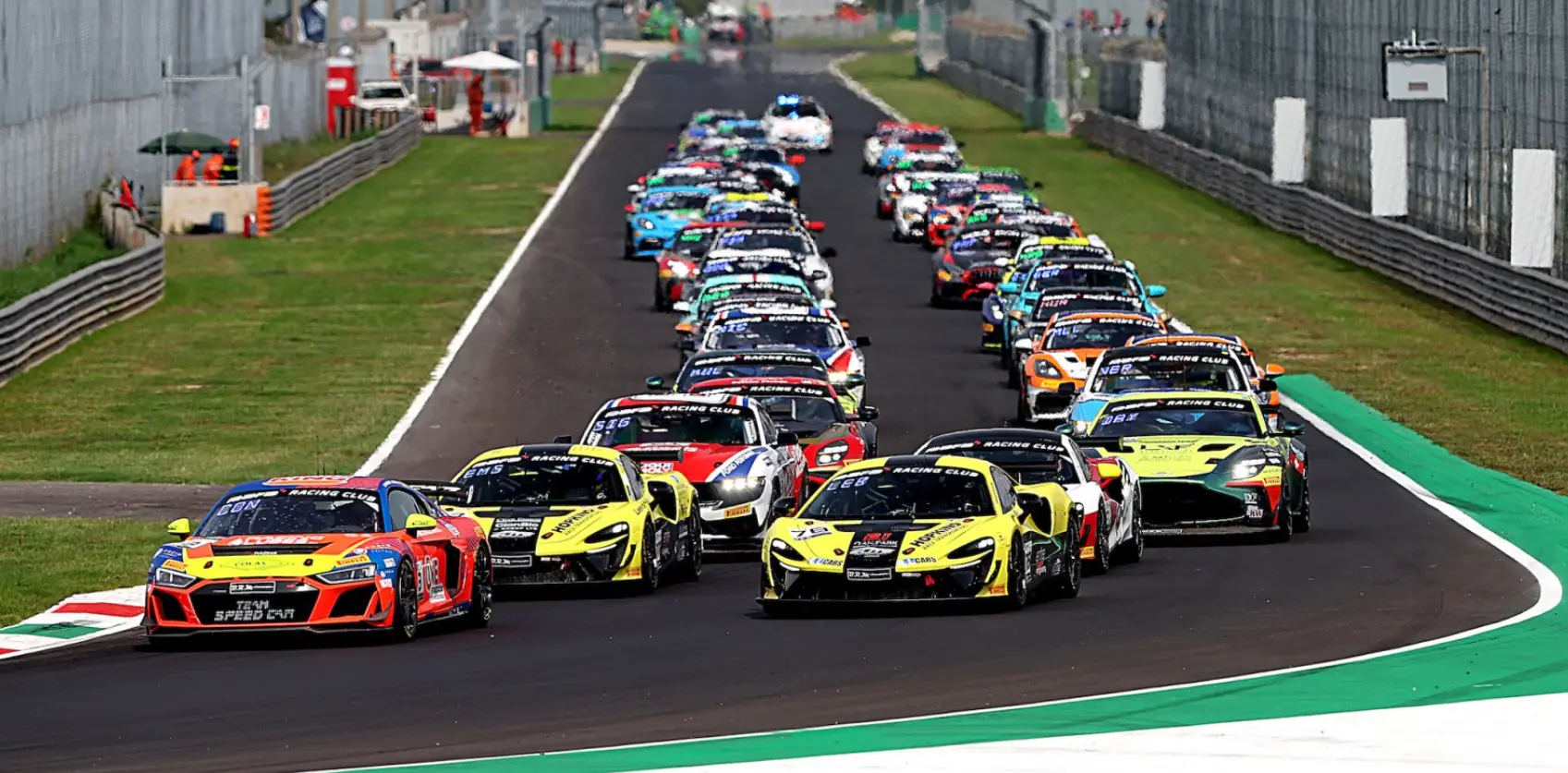
A GT4 car is a production-based race car designed as a more accessible step below GT3. It keeps more of the road car’s character than a GT3 car, costs less to buy and run, has less aerodynamic development, and is aimed heavily at amateur drivers, young professionals and customer teams.
If GT3 is the top level of customer GT racing, GT4 is the gateway. The cars are still proper race cars with roll cages, slick tyres, racing brakes, safety systems and stripped interiors, but they are intentionally less extreme. That makes GT4 easier to drive, cheaper to operate and ideal for close multi-brand racing.

Porsche 718 Cayman GT4 RS Clubsport.
What does GT4 mean?
GT stands for Grand Touring, a term used for performance cars that are faster and more focused than normal road cars but still recognisable as production-based machines. GT4 is a racing category for cars that sit below GT3 in performance, cost and technical freedom.
The easiest way to understand GT4 is this: it is designed to be a realistic customer racing platform. Manufacturers build cars that private teams can buy and race, while organisers use technical rules and Balance of Performance to keep different models competitive. The cars are fast enough to feel serious, but not so extreme that only major factory-supported teams can use them properly.
That balance is why GT4 has become so popular. It gives drivers a genuine race car, gives teams a manageable budget compared with GT3, and gives fans grids filled with recognisable cars from multiple manufacturers.
Is a GT4 car just a road car with stickers?
No. GT4 cars are much closer to road cars than GT3 cars are, but they are still real racing cars. They are built or approved by manufacturers for competition and include the safety, suspension, braking, tyre and cockpit changes needed for racing.
The difference is that GT4 keeps the modifications more controlled. The road-car base remains more obvious, aerodynamic development is limited, engine changes are less extreme, and running costs are kept lower than GT3. That is why GT4 cars often feel more relatable to fans: you can still clearly see the production model underneath the race preparation.
- Still a race car: roll cage, racing seat, harness, fire system, slick tyres and competition electronics.
- Closer to road spec: less technical freedom than GT3 and more road-car DNA.
- Less aero: wings and splitters exist, but the car is not as downforce-dependent as GT3.
- Lower running cost: parts, tyres, brakes and operating complexity are generally more manageable.
- More approachable: designed for amateur drivers as well as young professionals.
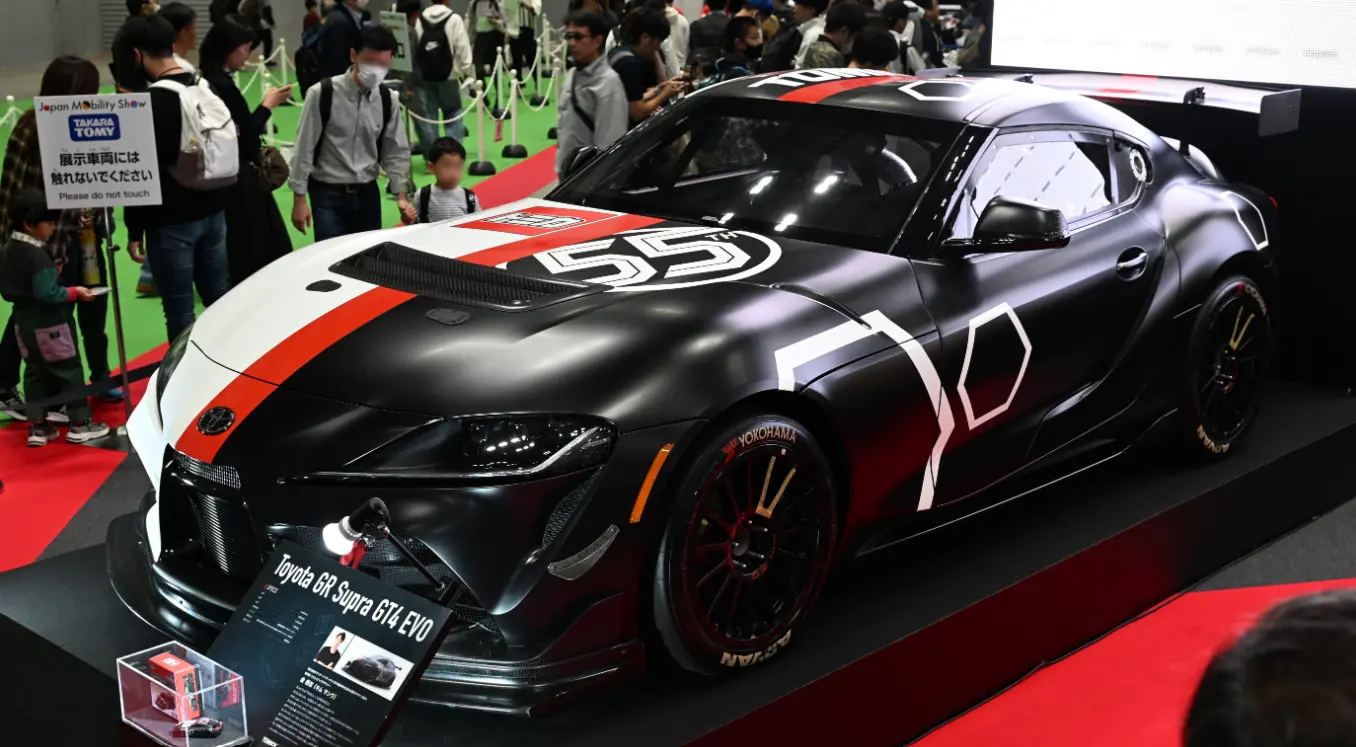
Toyota GR Supra GT4 Evo.
Why was GT4 created?
GT4 exists because GT racing needed a more affordable and amateur-friendly step below GT3. GT3 became hugely successful, but it also became serious, professional and expensive. That left room for a class that could give drivers and teams the GT racing experience without the full cost and complexity of a GT3 programme.
GT4 fills that gap. It gives manufacturers a way to sell customer race cars based on recognisable road models, and it gives drivers a pathway into higher-level GT racing. For young drivers, GT4 can be a place to learn racecraft, multi-class traffic, pit stops and endurance discipline. For amateur drivers, it can be a competitive but less intimidating alternative to GT3.
That is why GT4 is often described as a gateway class. It is not basic, and it is not slow, but it is intentionally more accessible than the highest levels of GT racing.
How fast is a GT4 car?
GT4 cars are quick, but they are not meant to be as fast as GT3 cars. Their performance depends on the model, circuit and Balance of Performance, but the broad idea is clear: less power, less downforce, less tyre and less braking performance than GT3, while still being much faster than a standard road car.
- Power: usually produce between 400bhp to 500bhp, usually around 450bhp range, depending on car and BoP. For example, the Porsche 911 GT4 R generates an unrestricted 520 bhp from its 4.0-litre flat-six. However, factory air flow restrictors automatically choke it down to 430 bhp when racing.
- Weight: can weigh between 1,260kg to 1,530kg depending on the model and BoP, but GT4 cars are generally heavier and less aggressive than GT3 cars.
- Downforce: moderate. GT4 cars have wings and splitters, but much less aero load than GT3.
- Tyres: slick racing tyres, usually with controlled suppliers depending on the championship.
- Brakes: strong steel racing brakes, but less extreme than GT3 systems.
- Driveability: designed to be manageable for amateur drivers, not just factory professionals.
For fans, the performance sweet spot is that GT4 cars are fast enough to look committed but still move around. They slide more, lean more on mechanical grip and often show the driver’s inputs more clearly than a high-downforce car.
What assists do GT4 cars have?
GT4 use electronic assists to protect the tires, prevent dangerous spins, and keep the car safe.
- Anti-Lock Braking Systems (ABS): This prevents your wheels from locking up and your tires from sliding when you hit the brakes hard. It allows you to maintain steering control while slowing down.
- Traction Control (TC): This manages the power sent to the rear wheels. If your car starts to spin or slide when stepping on the throttle, the TC system automatically reduces engine power to help you regain grip.
These systems are highly adjustable. Drivers can usually change the settings from the cockpit while driving. Drivers will turn these assists up on wet tracks or when their tires get worn out. In dry, clear conditions, many drivers turn traction control completely off (or to a very low setting) because letting the tires slip slightly is often faster than having the computer cut the power.
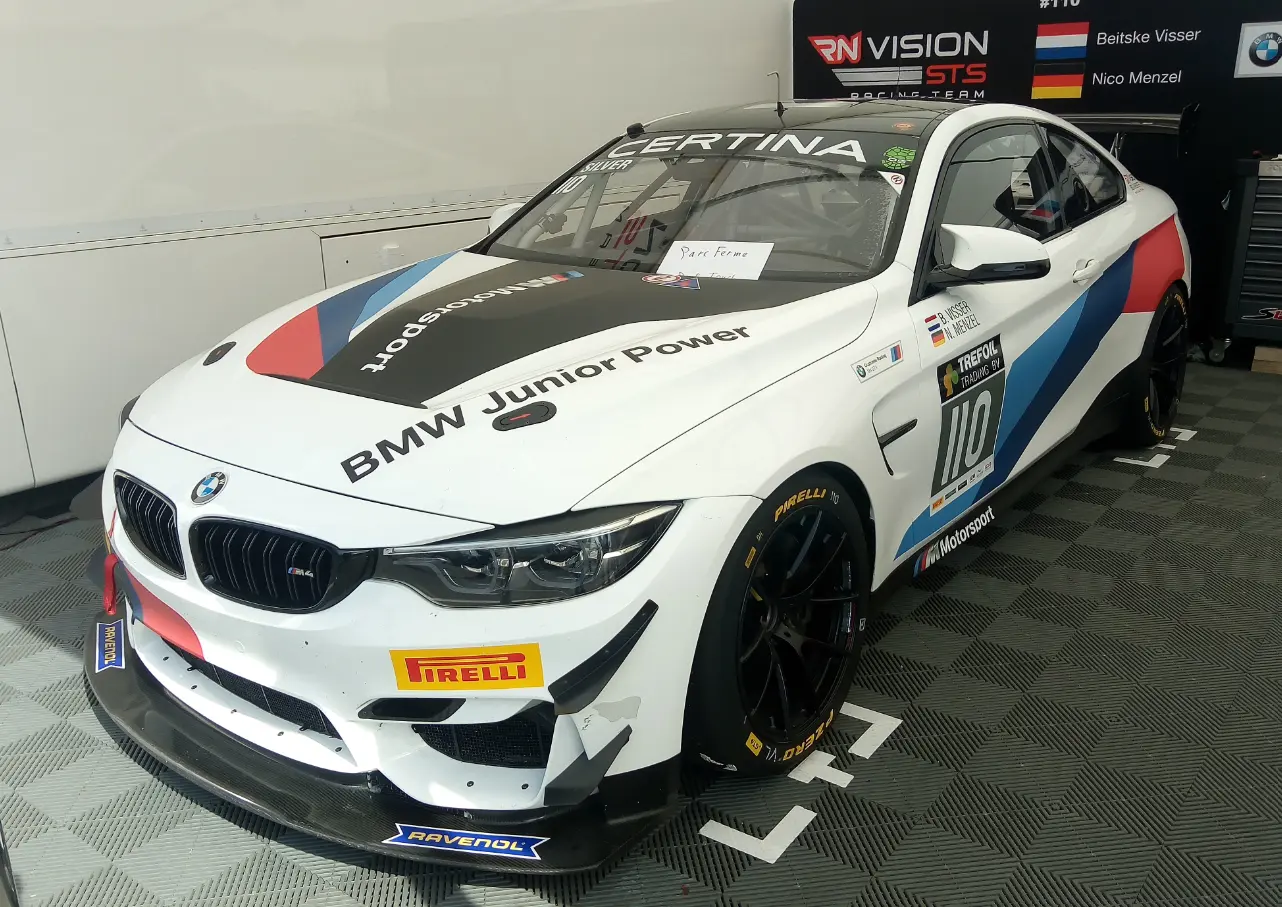
BMW M4 GT4 in GT4 European Series trim.
What is Balance of Performance in GT4?
Balance of Performance, usually shortened to BoP, is the system that lets different GT4 cars race together. Without BoP, a BMW M4 GT4, Porsche Cayman GT4, Toyota Supra GT4, McLaren Artura GT4 and Mercedes-AMG GT4 would not naturally produce the same lap time. They have different engines, weights, wheelbases, aero shapes and drivetrain layouts.
BoP brings those cars into a similar performance window. It can adjust things such as minimum weight, ride height, air restrictors, aero characteristics, fuel capacity or wheel and tyre-related parameters. The goal is not to make every car identical. The goal is to stop one concept from dominating purely because of its base layout.
- Why BoP exists: to allow different GT4 models to race fairly.
- What BoP can affect: weight, ride height, restrictors, aero, fuel capacity and other performance-related settings.
- Why fans debate it: it can be hard to tell how much speed is driver, team, car or adjustment.
- Why GT4 needs it: the class depends on variety, and variety needs balancing.
BoP is sometimes controversial, but it is also the reason GT4 can have large grids with many different cars. If the class had no balancing system, it would quickly become a race to buy whichever model had the biggest natural advantage.
GT4 vs GT3: what is the difference?
GT4 is the more accessible class. GT3 is the faster, more expensive and more professional class. Both are production-based customer racing categories, but they are built for different levels of budget, driver experience and performance.
- Power: GT3 usually has more power; GT4 is deliberately lower.
- Aero: GT3 has more developed downforce; GT4 has simpler, more limited aero.
- Cost: GT3 cars and programmes are significantly more expensive.
- Driver level: GT3 often includes more factory drivers and pro teams; GT4 is more amateur-friendly.
- Race role: GT3 is often the headline GT class; GT4 is often a support, feeder or secondary GT class.
- Road-car connection: GT4 usually feels closer to the road car.
The best simple comparison is this: GT4 is where many drivers learn serious GT racing; GT3 is where the top customer GT programmes fight for major wins.
For the next step up, see our full guide: GT3 cars explained.
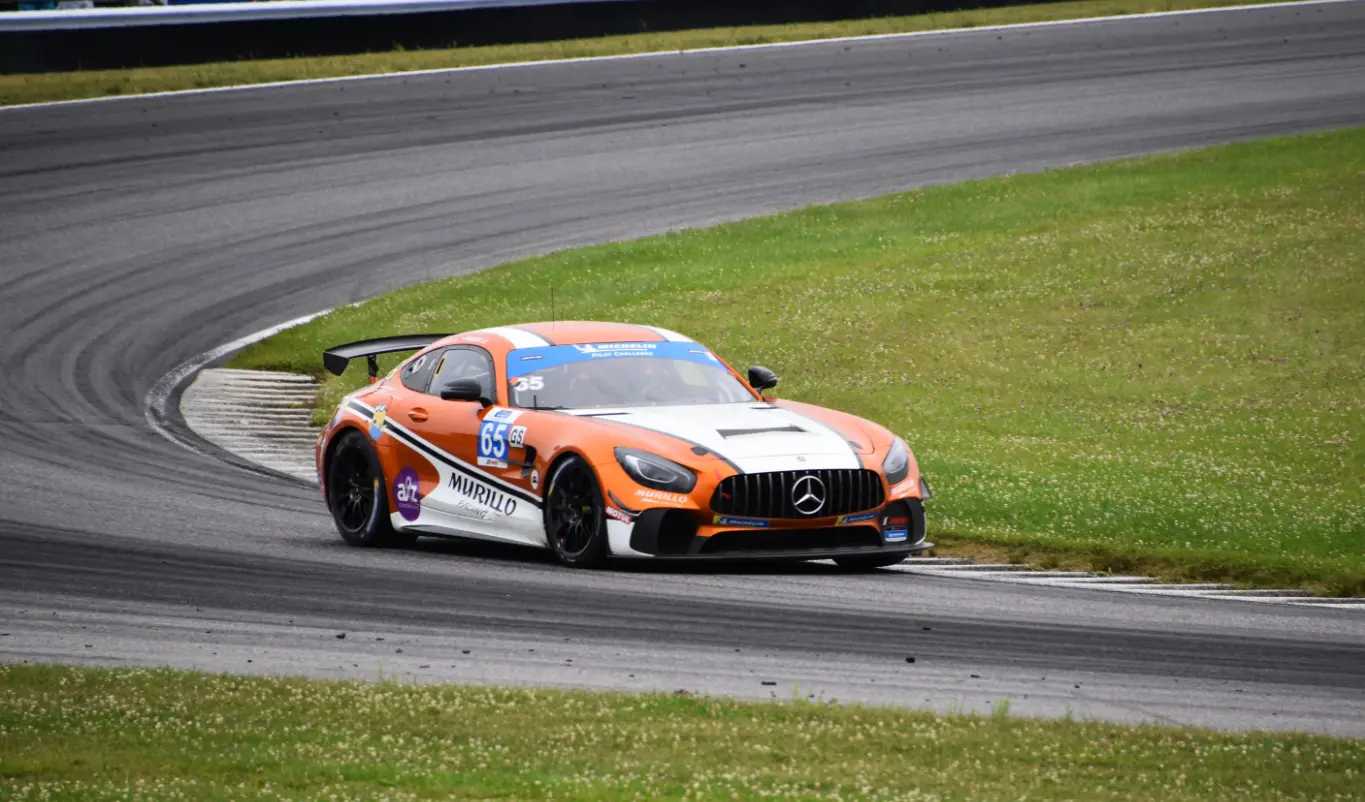
Mercedes-AMG GT4.
GT4 vs road car: what changes?
A GT4 car starts from a recognisable road-car platform, but racing changes the priorities. Comfort, infotainment, road tyres and everyday usability are removed. Safety, cooling, braking, consistency and serviceability become far more important.
- Interior: stripped out and replaced with a racing seat, harness, cage, netting, display and controls.
- Suspension: adjustable racing suspension for ride height, camber and setup tuning.
- Brakes: race pads, discs and cooling designed for repeated hard stops.
- Tyres: slicks or wet racing tyres instead of road tyres.
- Cooling: upgraded for long sessions and race temperatures.
- Bodywork: aero parts, tow points, vents and quick-service race features.
- Safety: roll cage, fire suppression and FIA-style safety equipment.
Even so, a GT4 car usually keeps more of the original road-car structure and feel than a GT3 car. That is why GT4 is such a good category for fans who enjoy seeing recognisable sports cars pushed hard without the full prototype-style transformation.
Why does GT4 have Silver, Pro-Am and Am classes?
GT4 is built around mixed driver levels. Some drivers are young professionals trying to climb the ladder. Some are experienced semi-pros. Some are amateur or Bronze-graded drivers funding their racing. To make that fair, many GT4 championships split the field into categories.
- Silver: usually young or semi-professional drivers, often paired together.
- Pro-Am: a higher-rated driver paired with a Bronze amateur driver.
- Am: usually Bronze/Bronze pairings or amateur-focused line-ups.
- Rookie categories: some championships also reward first-year GT4 drivers or young newcomers.
This means the timing screen can be misleading if you only look at overall position. A car running 20th overall might be leading Am. Another car might be outside the top ten but having a strong Pro-Am race. Always check the class column, not just the overall order.
Where can you watch GT4 racing?
GT4 is raced around the world. Some championships are pure GT4 series, while others include GT4 as one class in a mixed GT field.
- GT4 European Series: one of the main international GT4 championships and a major stepping stone toward GT3.
- Pirelli GT4 America: North American GT4 racing under the SRO structure.
- British GT Championship: GT3 and GT4 share the grid, making it one of the best places to compare the two classes.
- IMSA Michelin Pilot Challenge: GT4-style cars race in the Grand Sport category in North America.
- NLS / Nürburgring: GT4 cars appear in the SP10 class, using SRO GT4 rules.
- GT4 Australia, GT4 Asia and national series: regional GT4 racing gives local drivers a route into international GT competition.
- Support races: GT4 often appears on major GT, endurance or touring-car weekends.
If you are new to GT4, a British GT or GT4 European Series weekend is a very good starting point. You get recognisable cars, short races, accessible paddocks and clear class battles.

Porsche Cayman GT4 Clubsport cars in NLS multi-class traffic.
What is SP10 at the Nürburgring?
At the Nürburgring, GT4 cars are usually seen in SP10. This is the SRO GT4 class within the NLS and Nürburgring 24 Hours class structure. If you are watching a Nürburgring entry list and see SP10, think “GT4”.
This can be confusing because the Nürburgring uses its own class names. SP9 means GT3, SP10 means GT4, and other SP classes are different 24h-special categories split by engine size or technical concept. For a beginner, SP10 is one of the easiest Nürburgring classes to understand because it maps directly onto the familiar GT4 idea.
- SP10: GT4 cars under the SRO GT4 framework.
- Typical cars: BMW M4 GT4, Porsche Cayman GT4, Mercedes-AMG GT4, Toyota Supra GT4 and similar models.
- Performance: below SP9 GT3, but still quick and very relevant in class battles.
- Why it matters: GT4 gives teams a serious but more accessible route into Nürburgring endurance racing.
For a full guide to NLS / 24 hours of Nürburgring classes, see: Car classes of NLS / 24 Hours of Nürburgring explained.
How are GT4 races won?
GT4 races are usually won by doing the simple things very well. Because the cars are close in performance and tightly controlled, small mistakes matter. A poor qualifying lap, track-limits penalty, messy driver change or slow pit stop can cost a class win.
- Qualifying: important because the cars are close and passing can be difficult.
- Driver consistency: both drivers need to stay clean, especially in Pro-Am and Am classes.
- Pit stops: mandatory stops and driver changes can decide the race.
- Tyre use: GT4 cars have less aero, so mechanical grip and tyre preservation matter.
- Traffic: in mixed grids, GT4 drivers must manage faster GT3 cars and slower classes safely.
- Penalties: track limits, contact and pit-stop timing can ruin a strong run.
- Racecraft: because the cars are less aero-dependent, close racing and defensive driving matter a lot.
The best GT4 drivers are not always the ones who look most dramatic. Often, the strongest performance is a clean race with no penalties, consistent lap times and a calm driver change.
How do you recognise a GT4 car?
GT4 cars look like serious track versions of road sports cars, but they are usually less aggressive than GT3 cars. They have wings, splitters, vents and race wheels, but the overall shape stays very close to the production car.
- Recognisable road-car shape: the car still clearly looks like a Cayman, Supra, M4, Mustang, Vantage or AMG.
- Moderate rear wing: smaller and less aggressive than many GT3 wings.
- Race wheels and slicks: usually the easiest visual clue from the side.
- Roll cage: visible through the windows.
- Lower ride height: track-focused stance, but not as extreme as a prototype.
- Simpler aero: less dramatic bodywork than GT3.
- Closer racing: GT4 cars often run tightly together because performance is controlled and accessible.
Examples of modern GT4 cars
The exact list changes over time, but these are some of the most recognisable GT4 cars you may see on entry lists:
- Porsche 718 Cayman GT4 RS Clubsport: one of the most recognisable GT4 platforms, especially in endurance and one-make-style GT racing.
- BMW M4 GT4: common in GT4 Europe, British GT, IMSA-style racing and Nürburgring competition.
- Toyota GR Supra GT4: popular global customer car with a strong road-car identity.
- Mercedes-AMG GT4: front-engined GT4 with strong customer racing presence.
- Aston Martin Vantage GT4: long-running GT4 model with a strong link to GT3 and endurance racing.
- McLaren Artura GT4: modern mid-engined GT4 platform.
- Ford Mustang GT4: high-profile GT4 car with a clear muscle-car identity.
- Ginetta GT4: important in British and junior GT racing pathways.
- Alpine A110 GT4: lightweight, distinctive GT4-style platform seen in European racing.
- Audi R8 LMS GT4: GT4 version of Audi’s customer racing platform.
Why is GT4 popular with customer teams?
GT4 is popular because it offers a strong balance of credibility and cost control. It is serious enough to teach real GT racing skills but not as expensive or complex as GT3. That makes it attractive to teams, amateur drivers, young drivers, coaching programmes and manufacturers looking to support a customer racing ladder.
A GT4 programme still costs real money. Cars, tyres, entry fees, transport, mechanics, testing, crash damage and coaching all add up. But compared with GT3, GT4 is designed to reduce the technical arms race and make the racing more sustainable.
- Lower car cost: GT4 cars are usually much cheaper than GT3 cars.
- Lower running cost: tyres, brakes and parts are generally less expensive.
- Less engineering complexity: fewer extreme setup and aero variables.
- Amateur-friendly: easier for non-professional drivers to learn and race.
- Manufacturer support: enough customer racing support without full factory complexity.
- Useful ladder: a natural step toward GT3, endurance racing and professional GT careers.
How to watch GT4 racing as a beginner
GT4 is one of the easiest racing categories to enjoy as a new fan. The cars are recognisable, the races are often short enough to follow, and the class battles are usually clear once you understand the driver categories.
- Check the categories: Silver, Pro-Am and Am may all be racing at once.
- Do not only watch overall position: class position matters.
- Watch the pit window: driver changes and mandatory stops can change the order.
- Compare team-mates: driver pairing is a major part of GT4 racing.
- Look for tyre falloff: some cars are strong early; others are better late in the stint.
- Watch close racing: GT4 cars can usually follow and fight more naturally than higher-downforce machinery.
- Pick a car you recognise: following a Supra, Cayman, M4 or Mustang is a simple way into the class.
The best beginner approach is to pick one Silver car, one Pro-Am car and one Am car, then follow those battles through the race. You will learn much more that way than by trying to track every entry at once.
What are GT4 cars like in person?
GT4 cars are excellent trackside because they are approachable but still dramatic. You can see the road-car shape, hear the engine character and watch the driver work. They are not as brutally fast as GT3 cars, but that can make them easier to read from the spectator bank.
- Best place for action: medium-speed corners where cars move around under load.
- Best place for overtaking: braking zones after long straights.
- Best place for sound: corner exits and pit lane exit.
- Best place for learning: a mixed GT3/GT4 event where you can compare classes directly.
- Best race-day bonus: GT4 paddocks are often more accessible than top-level championships.
Bring ear protection, especially for children or covered grandstands. GT4 cars are usually less intense than GT3 or prototype fields, but a full grid can still be loud over a race day.
For more on hearing safety, see: Do you need ear protection at motorsport events?.
Common GT4 myths
- “GT4 cars are slow.” They are slower than GT3, but still very quick compared with road cars and many club racing categories.
- “GT4 is only for amateurs.” Amateur drivers are central to the class, but many young professionals and factory-linked drivers also race GT4.
- “GT4 is just a track day car.” No. A GT4 car is a homologated race car built for competition.
- “GT4 and GT3 are basically the same.” They are related, but GT3 has more power, aero, cost and professional focus.
- “BoP makes all cars identical.” No. BoP narrows the performance window, but cars still have different strengths.
- “The fastest driver always wins.” Driver pairing, pit stops, penalties and tyre use can matter just as much as raw speed.
- “GT4 is not worth watching if GT3 is on the same weekend.” GT4 often produces some of the closest racing because the cars are approachable and evenly matched.
Best GT4 racing for different fans
- Best for first-time GT fans: GT4 European Series or British GT, because the format is easy to follow.
- Best for comparing GT3 and GT4: British GT or mixed GT weekends where both classes race together.
- Best for Nürburgring fans: NLS SP10 and Nürburgring 24h support/class battles.
- Best for US fans: Pirelli GT4 America or IMSA Michelin Pilot Challenge.
- Best for manufacturer variety: SRO GT4 championships with large multi-brand grids.
- Best for young-driver watching: Silver class battles, where future GT3 drivers often develop.
- Best for amateur racing stories: Pro-Am and Am classes, where consistency and race management are crucial.
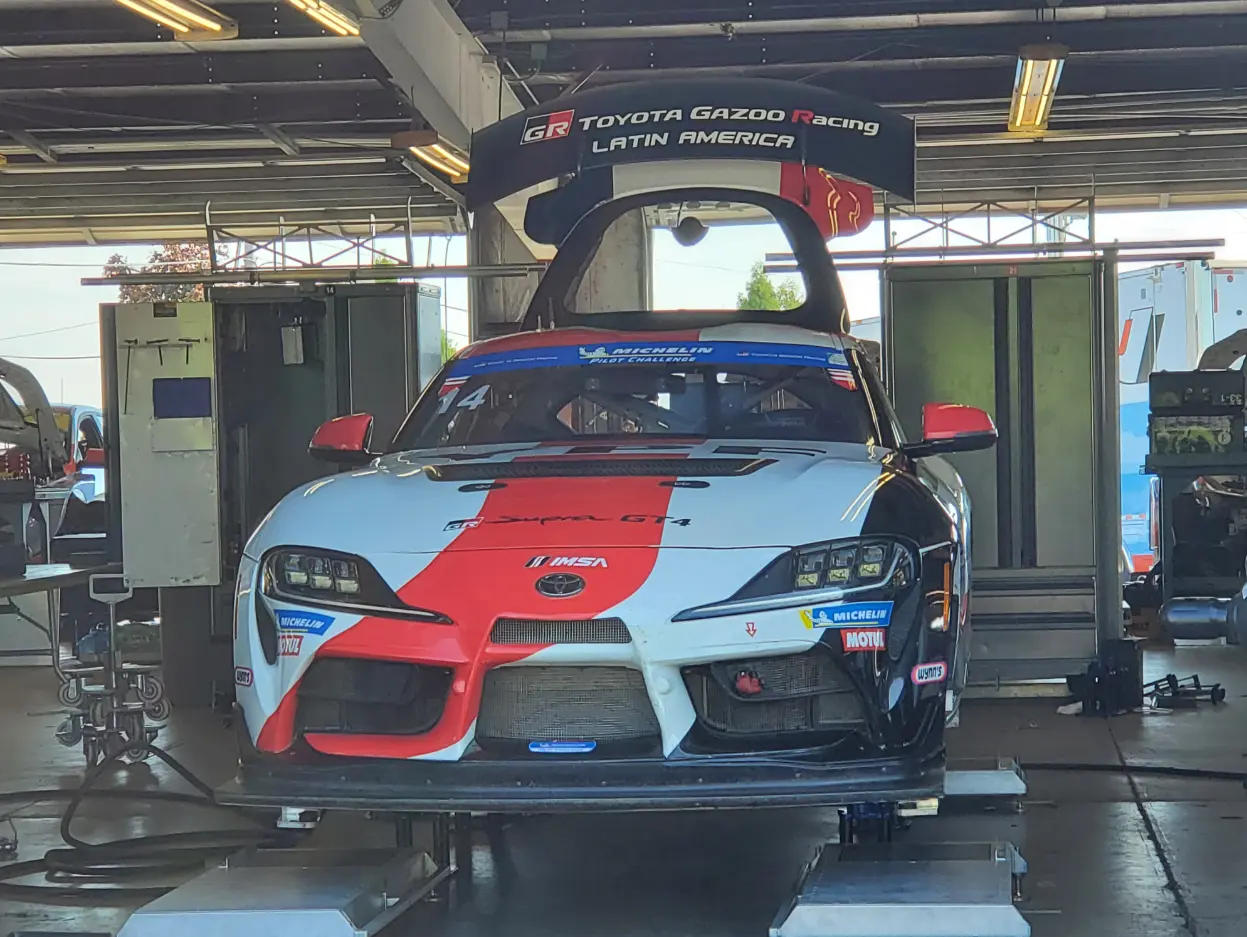
Toyota GR Supra GT4.
GT4 is the ideal entry point into modern GT racing. It is fast enough to be exciting, close enough to road cars to be relatable, and controlled enough to keep costs and competition sensible. It does not have the outright speed or technical complexity of GT3, but that is exactly the point.
If you are new to GT racing, start with GT4. Learn how driver categories work, watch how pit stops and Pro-Am pairings shape races, then compare the cars with GT3. Once you understand GT4, the whole GT racing ladder becomes much easier to follow.
Related Articles

|
GT3 Explained: What Is a GT3 Car?
|

|
LMP3 Explained: What is an LMP3 Car?
|
|
LMP2 Explained: What is an LMP2 Car?
|
|
First Time at Le Mans: Complete Beginner’s Guide
|
|
WEC vs IMSA: What’s the Difference?
|
|
NLS Starting Groups Explained
|

|
What Is the Difference Between GT3 and Cup 2?
|
|
Hypercar Explained: What Is a Hypercar in WEC, IMSA and Le Mans?
|
Related series

|
Nürburgring Langstrecken-Serie
|

|
Intercontinental GT Challenge
|