
Hypercar Explained: What Is a Hypercar in WEC, IMSA and Le Mans?
A beginner-friendly guide to the top class of endurance racing - including LMH vs LMDh, Balance of Performance, hybrid systems, power, weight, Le Mans, IMSA and how to follow the racing.

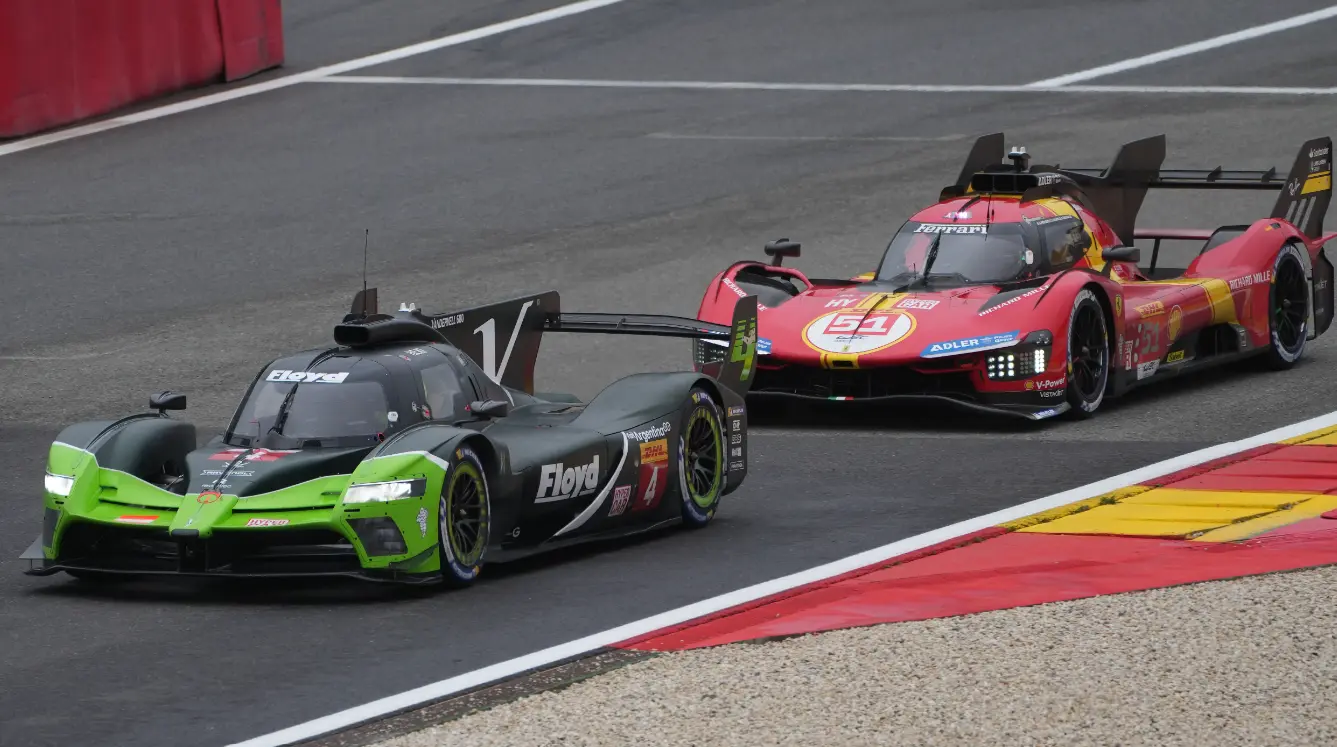
In modern endurance racing, a Hypercar is a top-class closed-cockpit prototype built to race in the FIA World Endurance Championship and at the 24 Hours of Le Mans. Hypercar replaced the old LMP1 era as the headline category and is designed to bring major manufacturers back to endurance racing with controlled costs, road-car styling freedom and close competition.
The confusing part is that “Hypercar” does not mean one exact type of car. The class is made up of two technical routes: LMH and LMDh. LMH cars give manufacturers more freedom to design the car, while LMDh cars use a common prototype base from approved chassis suppliers and a shared hybrid system. Both race together because Balance of Performance keeps them in the same competitive window.
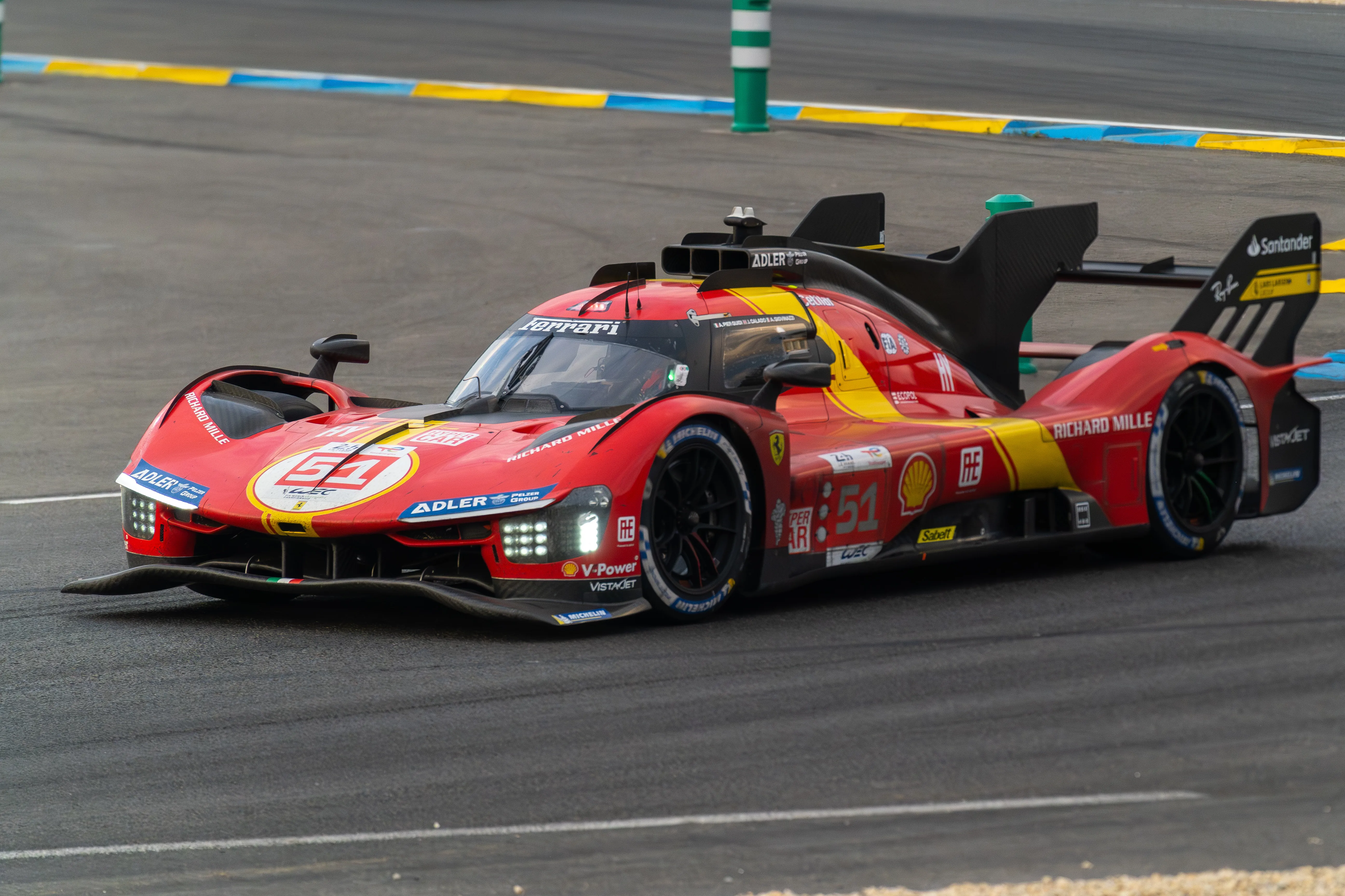
Ferrari 499P at Le Mans.
What is a Hypercar?
A Hypercar is the fastest and most important type of car in modern top-level endurance racing. It is the class that fights for overall victory at the 24 Hours of Le Mans and in the FIA World Endurance Championship. If you are watching Le Mans and wondering which cars are trying to win the whole race, the answer is usually simple: look at the Hypercars.
They are not GT cars, and they are not road cars. A GT3 car starts from a recognisable production model like a Porsche 911, Ferrari 296, BMW M4 or Aston Martin Vantage. A Hypercar is a prototype: a purpose-built racing car with a closed cockpit, prototype chassis, racing aero, endurance systems and a professional driver line-up.
The name can be misleading because “hypercar” also means ultra-expensive road cars like a Bugatti, Koenigsegg, Pagani or McLaren. In WEC and Le Mans, however, Hypercar is a racing class. Some cars carry road-car design language, and one or two are linked more closely to road-hypercar ideas, but the category itself is about endurance prototypes.
Why did endurance racing create the Hypercar class?
Hypercar was created because the old LMP1 era became too expensive and too narrow. LMP1 hybrid cars such as the Porsche 919 Hybrid, Audi R18 and Toyota TS050 were extraordinary, but the cost and complexity made it difficult to keep many manufacturers involved.
The Hypercar rules were designed to solve that problem. They lowered the technical arms race, allowed more visual identity, welcomed two technical routes and used Balance of Performance to keep different concepts competitive. The result is a class where Ferrari, Toyota, Porsche, Cadillac, BMW, Peugeot, Alpine, Aston Martin and other major names can compete without all building the same car in the same way.
For fans, that is the biggest win. Instead of a tiny top class dominated by one or two manufacturers, modern Hypercar racing has variety: V6s, V8s, V12s, hybrid and non-hybrid concepts, LMH cars, LMDh cars, different shapes, different sounds and different strengths over a stint.
.webp)
Toyota GR010 Hybrid.
LMH vs LMDh: what is the difference?
The Hypercar class has two technical routes. They race together, but they are built from different rule philosophies.
- LMH means Le Mans Hypercar: manufacturers have more freedom to design the car, including the chassis, aerodynamics, powertrain layout and, if they choose, a front-axle hybrid system.
- LMDh means Le Mans Daytona h: manufacturers use an approved prototype chassis backbone from one of four suppliers, then add their own engine, bodywork and brand identity around a shared hybrid system.
That is the simple version. LMH is the more open design route. LMDh is the more cost-controlled, shared-platform route. Both can be extremely competitive, and both can win major races. For spectators, you do not need to know every technical detail to enjoy the class. The key point is that the rules allow different concepts to fight in the same race.
LMH explained
LMH gives manufacturers more freedom. They can build a car more fully around their own concept, which is why LMH cars can look and sound quite different from each other. Toyota’s GR010, Ferrari’s 499P, Peugeot’s 9X8 and Aston Martin’s Valkyrie are all examples of the broader LMH idea: manufacturer-led concepts built for the Hypercar class.
The advantage of LMH is identity and technical freedom. A manufacturer can make a car that looks like “their” endurance racer rather than simply dressing a common chassis. The downside is complexity and cost. Building more of the car yourself means more engineering responsibility.
- Best for: manufacturers who want their own technical identity.
- Chassis: manufacturer-designed rather than based on the LMDh common chassis route.
- Hybrid: optional, including the possibility of a front-axle hybrid system.
- Visual identity: usually very strong, because the rules allow more design freedom.
- Fan shorthand: “the more bespoke Hypercar route”.
.webp)
Porsche 963.
LMDh explained
LMDh is the more standardised route. The car’s basic spine comes from one of four approved chassis constructors: Dallara, Multimatic, Ligier or Oreca. The manufacturer then adds its own engine, bodywork and brand identity, while the hybrid system is common.
This matters because it makes the class easier and cheaper to enter. A manufacturer does not have to design every part of the car from scratch. It can focus on engine, bodywork, integration, operation and racing execution. That is one reason LMDh has been attractive to brands that want to race in both WEC/Le Mans and IMSA/Daytona.
- Best for: manufacturers who want a global prototype programme with controlled cost.
- Chassis: based on an approved supplier backbone.
- Hybrid: shared rear-axle hybrid system.
- Visual identity: manufacturer bodywork gives each car a recognisable look.
- Fan shorthand: “the shared-platform Hypercar route”.
How fast is a Hypercar?
Hypercars are extremely fast, but they are not as light or as aerodynamically extreme as modern Formula 1 cars. They are built for endurance racing, which means they need to be fast, reliable, efficient, serviceable and safe over six, eight, ten, twelve or twenty-four hours.
- Power: around 500 kW, or roughly 670 horsepower, subject to the rules and BoP.
- Minimum weight: 1,030 kg.
- Tyres: Michelin is the single tyre supplier in the Hypercar class.
- Lap time target: around 3 minutes 30 seconds at Le Mans in class-design terms.
- Drivers: professional line-ups at the top level.
- Race type: built for long stints, traffic, night running, safety cars and changing weather.
The important thing is that Hypercars are not designed to win a one-lap engineering contest. They are designed to win endurance races. That means the fastest car over one lap is not always the best car over a double stint, in traffic, at night, in changing temperatures or after several hours of stress.
.webp)
Peugeot 9X8.
What is Balance of Performance?
Balance of Performance, usually shortened to BoP, is the system that allows different Hypercar concepts to race together. Without BoP, an LMH car with a bespoke design route and an LMDh car with a shared chassis route would be very difficult to compare fairly.
BoP adjusts performance primarily through areas such as weight and power. The aim is not to make every car identical. The aim is to keep different cars within a competitive window so that the race is decided by execution: setup, strategy, reliability, tyre use, drivers, pit work and traffic management.
This is one of the most controversial parts of Hypercar racing. Fans sometimes dislike BoP because they want the fastest engineering concept to win outright. But without BoP, the category would probably be much smaller and less varied. Hypercar is built on the idea that different shapes, engines, hybrid concepts and budgets can share the same track and still fight.
- What BoP can affect: weight, power and energy-related parameters.
- What BoP is trying to avoid: one car concept becoming unbeatable because of rule architecture.
- Why fans argue about it: changes can make it hard to know how much pace is car, driver, setup or adjustment.
- Why the class needs it: LMH and LMDh are too different to balance purely by fixed technical rules.
.webp)
BMW M Hybrid V8.
Are all Hypercars hybrids?
No. Hypercar allows both hybrid and non-hybrid cars. That is another reason the class needs Balance of Performance. A hybrid car may have different traction, deployment and energy characteristics from a non-hybrid car, especially out of slow corners or in changing conditions.
The details also depend on whether the car is LMH or LMDh. LMH can allow a front-axle hybrid system, while LMDh uses a shared hybrid system as part of its more standardised technical route. From a fan perspective, you do not need to track every electrical detail. The key idea is that hybrid systems are part of the performance equation, but they are controlled so that the class remains balanced.
- Hybrid does not automatically mean fastest: the total performance is balanced by the rules.
- Non-hybrid does not mean outdated: a well-balanced non-hybrid Hypercar can still be competitive.
- Deployment matters: when and how electrical power is used can affect traction, acceleration and tyre use.
- Endurance matters: reliability and consistency can matter more than headline technology.
Hypercar vs Formula 1
Formula 1 and Hypercar are both elite motorsport, but they solve different problems. An F1 car is a single-seater built to be as fast as possible around a Grand Prix circuit over a relatively short race. A Hypercar is a closed-cockpit endurance prototype built to race for hours, through traffic, with driver changes, pit stops, night running and weather changes.
- F1 is faster over one lap: lighter, more downforce, more extreme tyre and aero performance.
- Hypercar is built for endurance: stronger, heavier and designed to run for much longer.
- F1 has one driver per car: Hypercars use multi-driver crews.
- F1 rarely deals with multi-class traffic: Hypercars constantly pass slower GT cars at Le Mans and in WEC.
- F1 development is team-led: Hypercar mixes LMH freedom, LMDh standardisation and BoP.
If you come from F1, the best way to appreciate Hypercar is to stop looking for a single qualifying lap comparison. Watch how the cars behave after two stints, how they pass GT traffic, how they manage tyres at night, and how much time is lost or gained in pit sequences.
Hypercar vs GT3
Hypercars are prototypes. GT3 cars are production-based racing cars. That is the simplest distinction. A Hypercar is the top class trying to win the race overall. A GT3 car is based on a road-car model and fights within the GT class.
At Le Mans and in WEC, Hypercars and GT cars share the track. That creates one of endurance racing’s most important skills: traffic management. A Hypercar driver is not just racing other Hypercars; they are constantly catching slower GT cars in braking zones, through corners and on straights. Passing cleanly without losing time is a huge part of the craft.
- Hypercar: overall victory, prototype chassis, professional line-ups, much faster lap times.
- GT3 / LMGT3: class victory, road-car base, privateer/pro-am structure, more recognisable shapes.
- Why it matters: multi-class traffic can decide the race.
For more on GT racing, see our guide: GT3 cars explained.
.webp)
Cadillac V-Series.R at Le Mans.
Why Hypercar matters most at Le Mans
The 24 Hours of Le Mans is the race that gives the Hypercar class its meaning. WEC has many important races, but Le Mans is the centre of the category’s identity. Manufacturers do not just want to win the championship; they want to win Le Mans overall.
Le Mans is also where Hypercar strengths and weaknesses become obvious. Straight-line speed matters on the Mulsanne. Stability matters through Porsche Curves. Traffic management matters every lap. Reliability matters for 24 hours. Brake performance, cooling, night visibility, pit speed, driver comfort and repairability all become part of the car’s real performance.
A Hypercar that looks strong in a six-hour race may still struggle at Le Mans if it cannot double-stint tyres, handle traffic efficiently or avoid small reliability issues. That is why Le Mans is not just another race. It is the ultimate stress test for the class.
For more on attending the race, see our guide: First time at Le Mans: complete beginner’s guide.
How does Hypercar relate to IMSA and GTP?
In the United States, the top prototype class in IMSA is called GTP. This is where the global convergence matters. LMDh cars can race in both WEC/Le Mans and IMSA, which means a manufacturer can target major races such as Le Mans and the Rolex 24 at Daytona with the same broad car concept.
For fans, the names can be confusing. In WEC and at Le Mans, you hear “Hypercar”. In IMSA, you hear “GTP”. The car types overlap because the rulebooks were designed to bring top-class endurance racing closer together across Europe and North America.
- WEC / Le Mans name: Hypercar.
- IMSA name: GTP.
- LMDh: designed with WEC and IMSA convergence in mind.
- Why it matters: manufacturers can race at Le Mans, Daytona, Sebring and other major endurance events under closely related rules.
How do you recognise a Hypercar on track?
Hypercars are usually the fastest cars on track, but they are not always obvious to new fans. At Le Mans, they share the circuit with GT cars, and on TV the closing speeds can make everything look fast. Use these clues:
- Closed cockpit prototype shape: low, wide, smooth and purpose-built.
- Prototype nose and cockpit: less road-car-like than GT3.
- Faster closing speed: they catch GT cars rapidly, especially into braking zones.
- Professional top-class teams: factory names and major manufacturer liveries.
- Class identification: timing screens and number panels identify the class.
- Race behaviour: they often pass GT cars while fighting other Hypercars on strategy.
If you are at the circuit, listen as well as look. A Ferrari 499P, Cadillac V-Series.R, Toyota GR010, Peugeot 9X8 and Porsche 963 all have different engine characters. Hypercar is not a one-sound category, and that is part of its appeal.
How Hypercar races are won
Hypercar races are not won simply by having the fastest car. The class is built around endurance execution. A team needs pace, but it also needs tyre management, fuel efficiency, clean pit stops, driver consistency, reliability and smart traffic decisions.
- Qualifying pace: useful, but not everything. A six-hour or 24-hour race gives teams time to recover.
- Tyre management: double-stinting tyres can save time if the car is gentle enough.
- Fuel efficiency: better stint length can create strategic flexibility.
- Pit stops: small delays add up over many stops.
- Traffic: losing half a second behind a GT car repeatedly can cost a race.
- Reliability: a minor sensor, brake or hybrid issue can undo hours of strong pace.
- Driver crews: the car must be fast in the hands of all drivers, not just one star.
This is why endurance racing has a different rhythm from Formula 1. A Hypercar may look under control for hours, then suddenly lose the race because of a slow puncture, badly timed safety car, pit-lane infringement, door issue or electrical reset.
Common Hypercar mistakes and misconceptions
- “Hypercar means road car.” Not in WEC. It is a racing class for prototypes.
- “LMH is always better than LMDh.” No. The two routes are balanced to race together.
- “Hybrid cars automatically have an advantage.” Not necessarily. The rules and BoP control total performance.
- “The fastest car should always win.” Endurance racing rewards execution, not just raw speed.
- “BoP makes the racing fake.” BoP is controversial, but it is also what allows very different car concepts to share the same class.
- “Le Mans is the only race that matters.” Le Mans is the biggest one, but WEC championship races are crucial for development, points and momentum.
- “A Hypercar is just an LMP1 with a new name.” No. Hypercar is a different rule philosophy with cost control, convergence and BoP at its core.
What New Fans Should Follow
- Best for heritage fans: Ferrari, Porsche, Toyota, Cadillac and Peugeot, all with deep endurance or motorsport histories.
- Best for F1 fans: qualifying, traffic management and how ex-F1 or single-seater drivers adapt to endurance racing.
- Best for strategy fans: tyre double-stinting, fuel windows and safety-car timing.
- Best for casual viewers: follow the manufacturer battle first, then learn the technical differences later.
- Best for Le Mans newcomers: pick one car from Ferrari, Toyota, Porsche, Cadillac or Peugeot and track it through the race.
Examples of modern Hypercars
The exact grid changes by season, but these are some of the cars and brands that help define the modern Hypercar era:
- Ferrari 499P: LMH; one of the headline cars of the current era and a major Le Mans reference point.
- Toyota GR010 Hybrid: LMH; the early benchmark of the Hypercar era from Toyota Gazoo Racing.
- Peugeot 9X8: LMH; famous for its distinctive design philosophy and changing aero concept.
- Aston Martin Valkyrie: LMH; notable for its road-hypercar connection and V12 identity.
- Porsche 963: LMDh; Porsche’s global prototype programme for WEC and IMSA.
- Cadillac V-Series.R: LMDh; a loud, distinctive American prototype with strong IMSA and Le Mans relevance.
- BMW M Hybrid V8: LMDh; BMW’s modern top-class endurance prototype.
- Alpine A424: LMDh; Alpine’s route into the top class through the shared-platform concept.
- Genesis Hypercar programme: a newer arrival showing how attractive the category has become to major manufacturers.
.webp)
Hypercar at Le Mans.
Hypercar is the modern top class of endurance racing: fast enough to feel spectacular, controlled enough to attract manufacturers, and varied enough to give fans different cars, sounds and strategies to follow. It is not as technically unrestricted as old LMP1, and it is not as instantly familiar as GT3, but that is exactly why it works. The class sits between engineering freedom, cost control and raceability.
If you are new to WEC or Le Mans, start with the simple version: Hypercars are the cars fighting for overall victory. Then learn the two routes - LMH and LMDh - and watch how BoP, strategy, tyre life, traffic and reliability shape the race. Once those pieces click, Hypercar becomes one of the most interesting categories in modern motorsport.
Related Articles
|
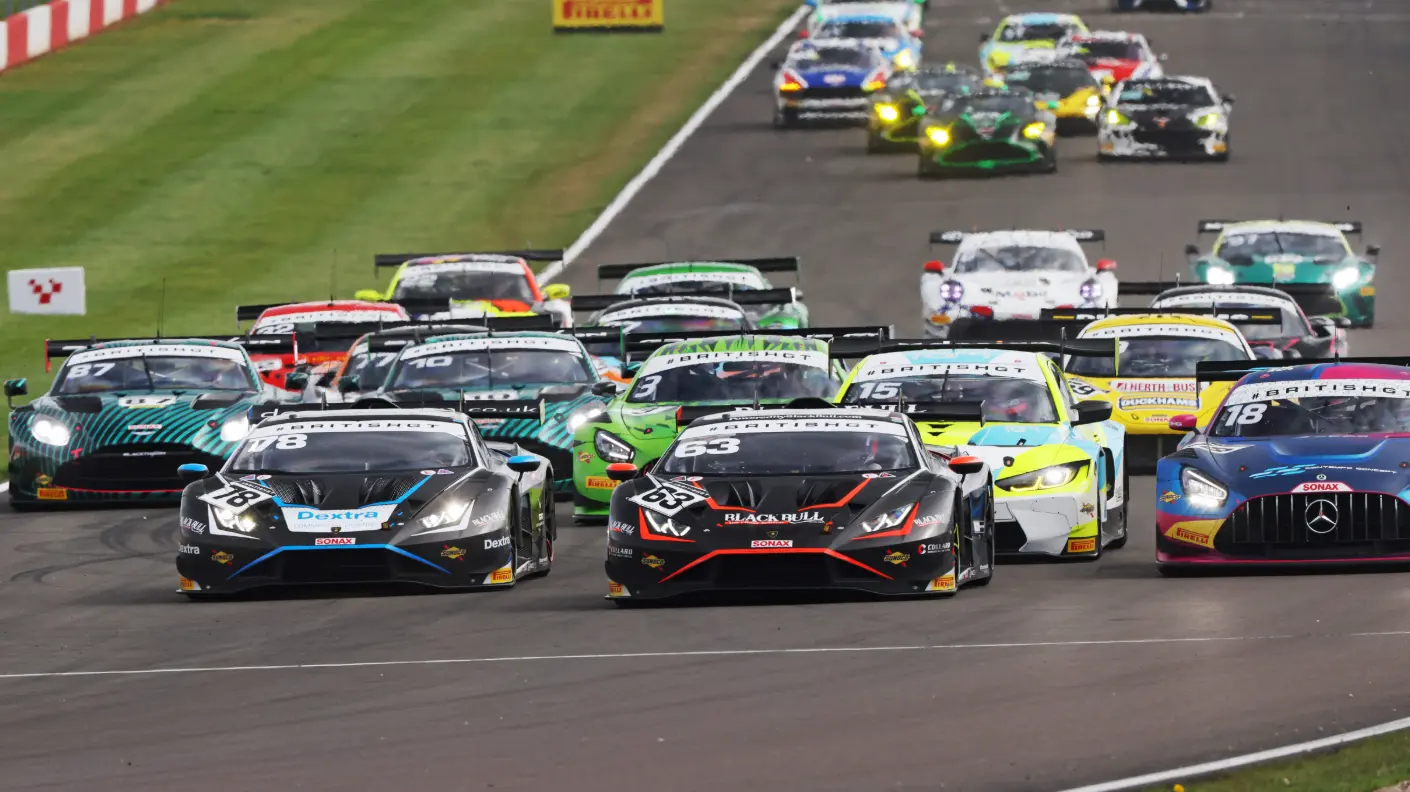
GT3 Explained: What Is a GT3 Car?
|
|
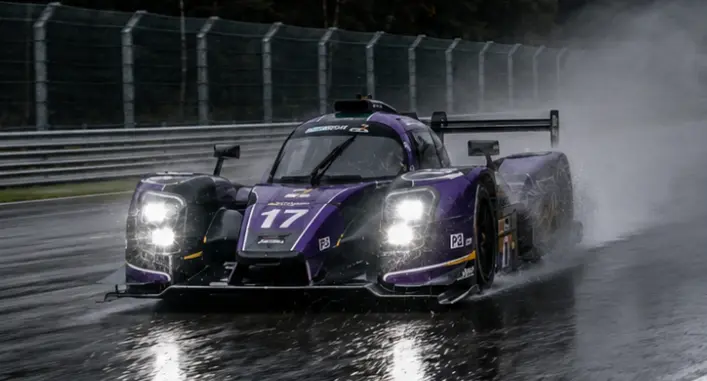
LMP3 Explained: What is an LMP3 Car?
|
|
LMP2 Explained: What is an LMP2 Car?
|
|
First Time at Le Mans: Complete Beginner’s Guide
|
|
WEC vs IMSA: What’s the Difference?
|
|
NLS Starting Groups Explained
|
|
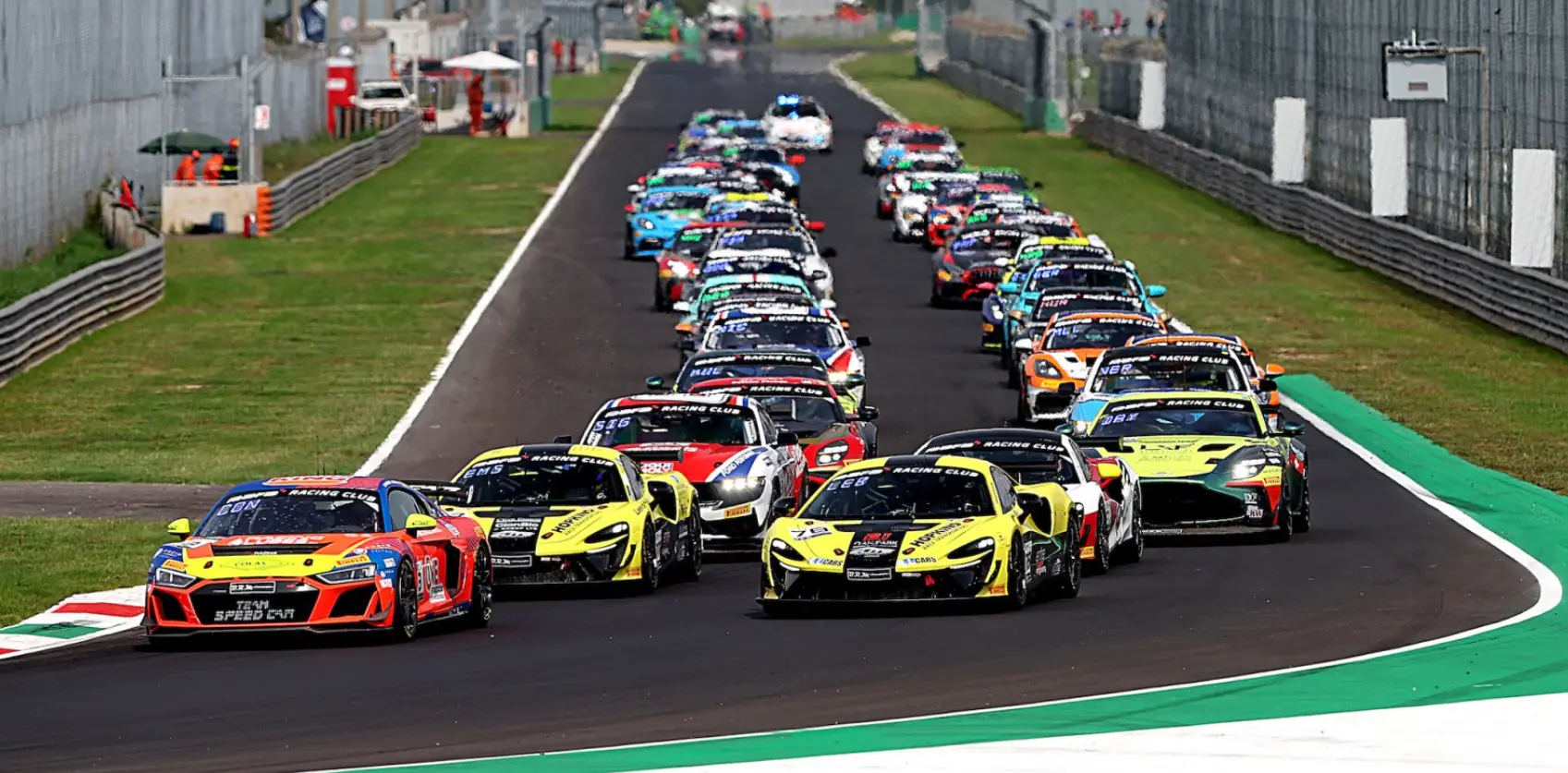
GT4 Explained: What Is a GT4 Car, and how is it different from GT3?
|
|
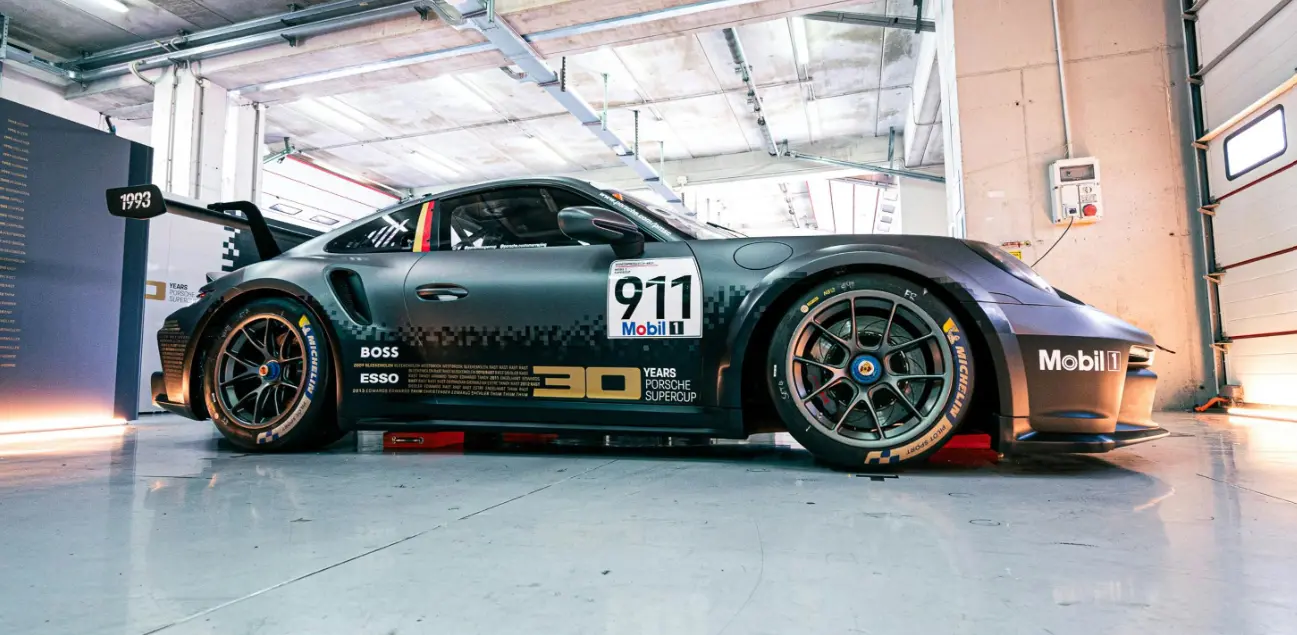
What Is the Difference Between GT3 and Cup 2?
|
Related series

|
International Motor Sports Association
|

|
World Endurance Championship
|
Related tracks

|
Circuit de la Sarthe (Le Mans)
|