
WEC vs IMSA: What’s the Difference?
A beginner-friendly guide to the difference between the FIA World Endurance Championship and IMSA - including cars, classes, race formats, calendars, geography, major races, manufacturers and which series to watch first.

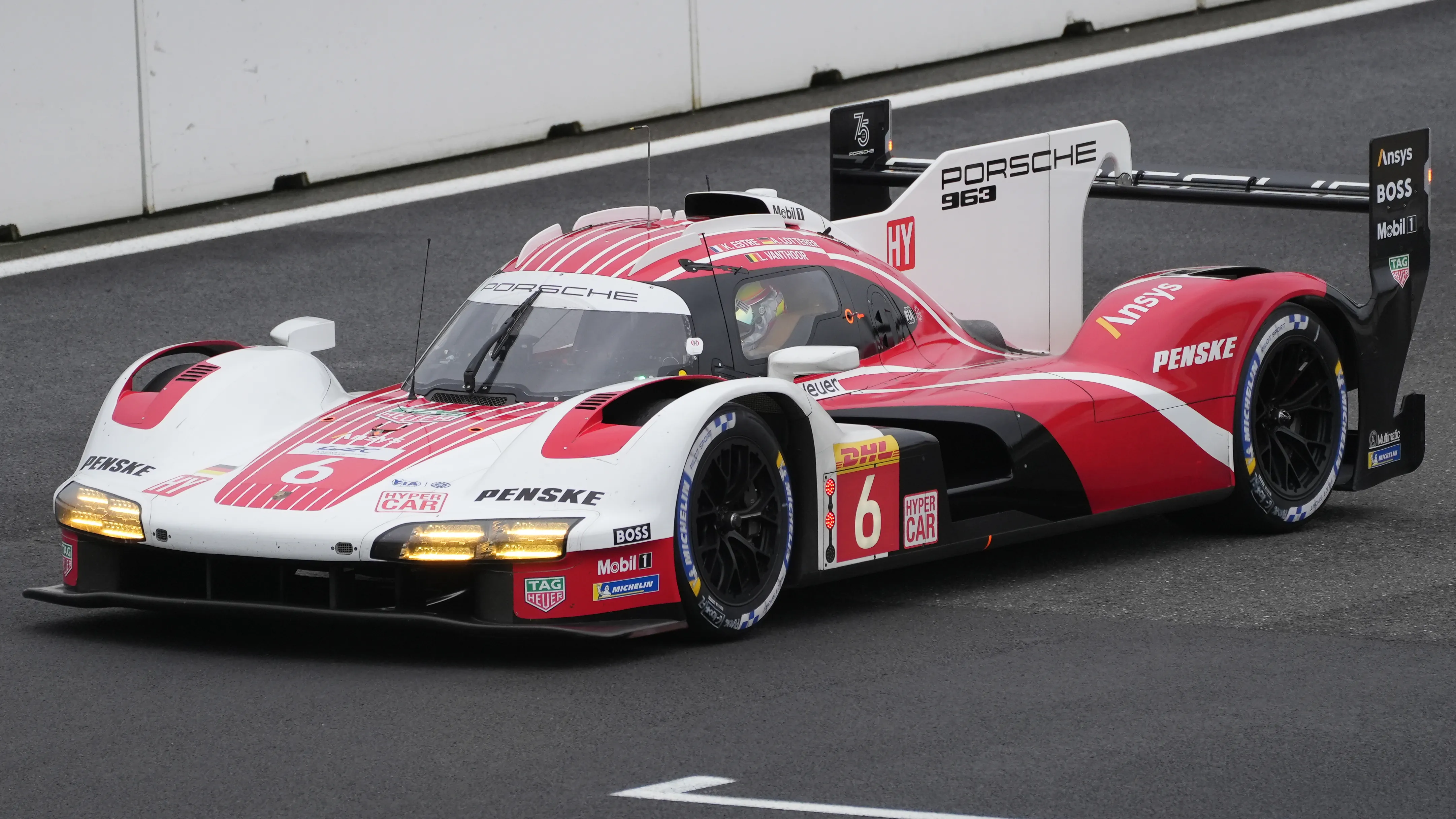
WEC and IMSA are the two most important modern sports car racing championships, but they are built around different worlds. WEC is the global FIA World Endurance Championship, with races across several continents and the 24 Hours of Le Mans as its biggest event. IMSA is the leading North American sports car championship, with classic races such as the Rolex 24 At Daytona, 12 Hours of Sebring and Petit Le Mans.
The cars are related but the class names are different. In WEC, the top class is Hypercar. In IMSA, the top class is GTP. WEC’s main GT class is LMGT3, while IMSA splits GT3-based cars into GTD PRO and GTD. Both championships are multi-class, so faster prototypes and slower GT cars share the same track at the same time.
What is WEC?
WEC stands for the FIA World Endurance Championship. It is the global championship for top-level endurance racing and is organised around long-distance races at major circuits around the world. Its most famous race is the 24 Hours of Le Mans, which is the event that gives the championship much of its identity.
WEC is the championship to follow if you want the most direct route to Le Mans. Manufacturers do not enter WEC simply to win individual six-hour races. They enter because Le Mans is the biggest endurance race in the world, and WEC is the championship built around that ecosystem.
- Main identity: global endurance racing championship.
- Biggest race: 24 Hours of Le Mans.
- Current core classes: Hypercar and LMGT3.
- Le Mans classes: Hypercar, LMP2 and LMGT3.
- Typical race style: long-distance strategy, global venues, manufacturer prestige and Le Mans preparation.
What is IMSA?
IMSA is the main sports car racing championship in North America. Its top series is the IMSA WeatherTech SportsCar Championship, which features prototype and GT racing at famous US and Canadian circuits.
IMSA has its own identity. It is not simply “American WEC”. The racing is often more compact, more restart-heavy and more shaped by North American circuits, fan access and race formats. Its biggest events are the Rolex 24 At Daytona, the 12 Hours of Sebring, the Six Hours of The Glen and Petit Le Mans at Road Atlanta.
- Main identity: North American sports car racing championship.
- Biggest race: Rolex 24 At Daytona.
- Other major races: 12 Hours of Sebring, Six Hours of The Glen and Petit Le Mans.
- Main classes: GTP, LMP2, GTD PRO and GTD.
- Typical race style: close multi-class racing, heavy traffic, caution strategy, strong manufacturer presence and varied event lengths.
The biggest difference: geography and identity
The simplest difference is geography. WEC is global. IMSA is North American. WEC visits different regions of the world and builds its season around Le Mans. IMSA races mainly in the United States, with Canadian Tire Motorsport Park usually providing the Canadian stop.
That geography shapes the character of each championship. WEC feels more international and Le Mans-centred. IMSA feels more like a North American sports car tour with a strong connection to Daytona, Sebring and American endurance traditions.
- WEC geography: Europe, Middle East, Asia, North America, South America and other global regions depending on the season.
- IMSA geography: primarily United States and Canada.
- WEC's pinnacle race: Le Mans.
- IMSA's pinnacle race: Daytona and Sebring.
- Fan feeling: WEC feels like a world championship; IMSA feels like a packed North American sports car season.
WEC and IMSA classes compared
The class names are one of the most confusing parts for beginners. The cars are related in concept, but the labels are not always the same.
- WEC Hypercar: top prototype class, using LMH and LMDh cars, fighting for overall victory.
- IMSA GTP: top prototype class, also using modern top-class prototype rules, fighting for overall victory.
- WEC LMP2: not a full-season WEC class in the same way as Hypercar/LMGT3, but still part of the 24 Hours of Le Mans and the wider ACO endurance ladder.
- IMSA LMP2: second prototype class in the WeatherTech Championship.
- WEC LMGT3: GT3-based class used in WEC and at Le Mans.
- IMSA GTD PRO: GT3-based class with professional/factory-style line-ups.
- IMSA GTD: GT3-based class with Pro-Am-style driver requirements.
For a beginner, the cleanest translation is this: WEC Hypercar is roughly the same level as IMSA GTP. WEC LMGT3 is broadly related to IMSA GTD PRO/GTD because all are based around GT3 machinery, but IMSA splits its GT field into two separate classes.
Hypercar vs GTP: are they the same?
They are closely related, but the class names are different. In WEC and at Le Mans, the top class is called Hypercar. In IMSA, the top class is called GTP. Both sit at the top of their championships and fight for overall victory.
The connection comes from modern prototype convergence. LMDh cars were designed so manufacturers could race in both WEC/Le Mans and IMSA with one broad car concept. LMH cars can also be eligible in the top-class ecosystem. That is why a manufacturer like Cadillac, Porsche or BMW can be part of the same modern prototype era on both sides of the Atlantic.
- WEC name: Hypercar.
- IMSA name: GTP.
- Shared idea: top-class endurance prototype racing.
- Technical routes: LMH and LMDh in the wider Hypercar/GTP ecosystem.
- Race target: overall victory.
For a deeper guide to the two top-class rule sets, see: LMDh vs LMH explained.
LMGT3 vs GTD PRO vs GTD
Both championships use GT3-based cars, but they organise them differently. WEC uses LMGT3 as its main GT class. IMSA splits GT3 cars into GTD PRO and GTD.
The cars can look very similar because they are all based on FIA GT3-style machinery. The real difference is in the sporting structure. IMSA’s GTD PRO is the professional/factory-style GT class, while GTD is built around Pro-Am driver requirements. WEC’s LMGT3 also has driver-categorisation rules and a strong Pro-Am flavour, but it is not split into GTD PRO and GTD the way IMSA is.
- WEC LMGT3: GT3-based class used in WEC and at Le Mans.
- IMSA GTD PRO: GT3 cars with professional/factory-style line-ups.
- IMSA GTD: GT3 cars with Pro-Am-style line-ups.
- Same broad car family: Porsche 911 GT3 R, Ferrari 296 GT3, BMW M4 GT3, Corvette Z06 GT3.R, Lexus RC F GT3, Aston Martin Vantage GT3 and others depending on the series.
- Biggest beginner mistake: assuming GTD PRO cars are always technically faster than GTD cars. The class split is mainly about driver line-up, not a completely different car type.
For a deeper explanation of GT3 rules and why GT3 cars from different manufacturers can race together, see our full guide: GT3 cars explained.
Race formats: WEC vs IMSA
WEC races are usually framed as endurance events with a consistent long-distance feel. The season includes six-hour races, longer events, and the 24 Hours of Le Mans. IMSA has more variety in race length, from 100-minute street races and 2-hour-40-minute rounds to major endurance races of 6, 10, 12 and 24 hours.
- WEC race feel: global endurance rounds, often six hours or longer, with Le Mans as the standout 24-hour event.
- IMSA race feel: a mix of sprint-style sports car races and major endurance classics.
- WEC strategy: often a longer, more measured endurance rhythm.
- IMSA strategy: often more caution-sensitive, restart-heavy and event-format dependent.
- Beginner takeaway: WEC feels more like a world endurance campaign; IMSA feels more varied from race to race.
Major races: Le Mans vs Daytona and Sebring
The easiest way to understand each championship is to look at its biggest races.
- WEC’s biggest race: 24 Hours of Le Mans. It is the most important endurance race in the world and the centre of the WEC identity.
- IMSA’s biggest race: Rolex 24 At Daytona. It opens the IMSA season and is one of the world’s major 24-hour races.
- IMSA’s toughest classic: 12 Hours of Sebring. The bumps, heat and history make it one of the hardest endurance races.
- IMSA’s finale classic: Petit Le Mans at Road Atlanta. A 10-hour race that often decides championships.
- WEC’s other key rounds: Spa, Fuji, Bahrain, Qatar, Imola, São Paulo and COTA-style events depending on the season.
Le Mans is bigger globally, but Daytona and Sebring are not minor events. They are core pillars of sports car racing, especially for North American fans and manufacturers.
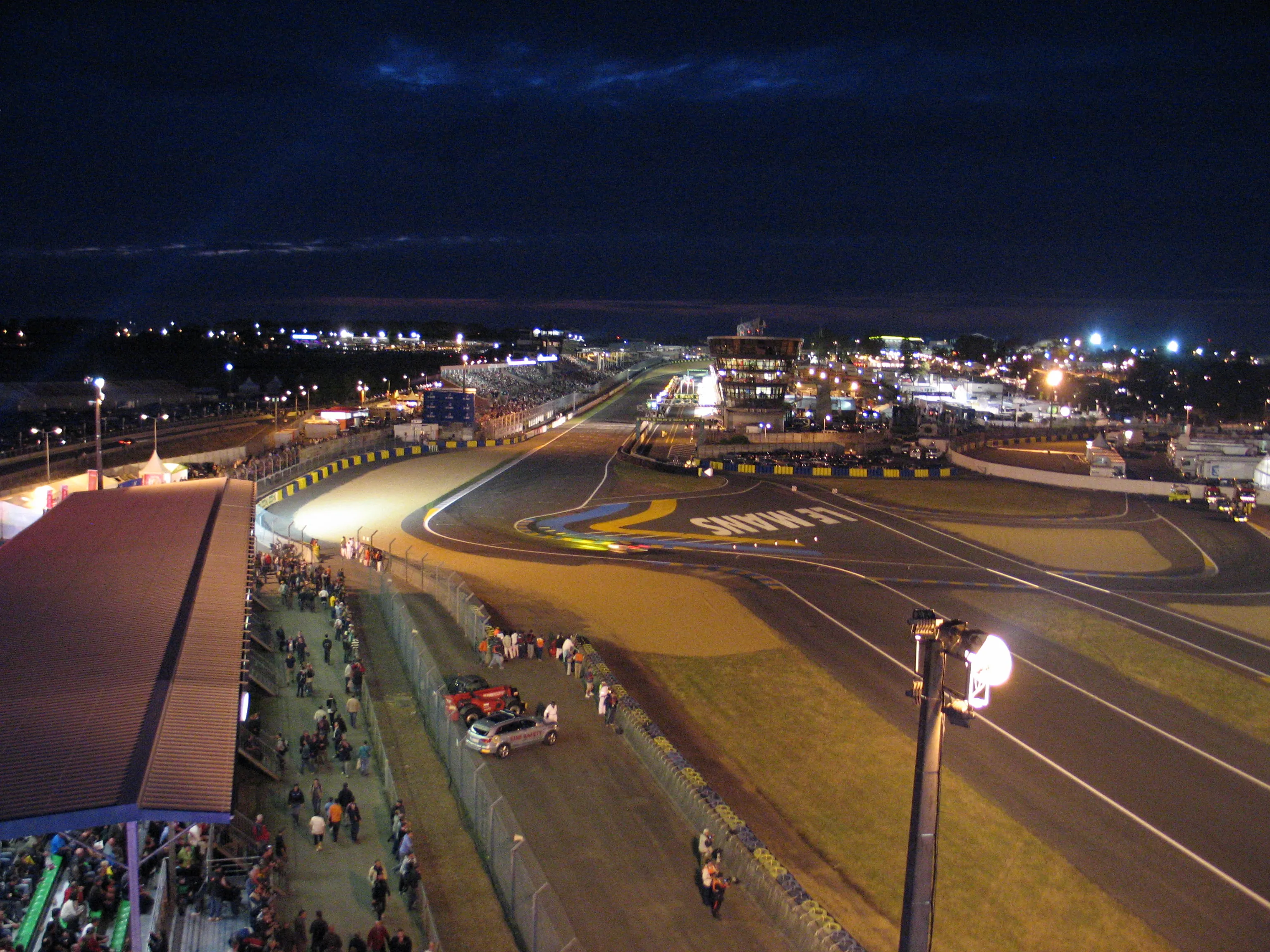
Le Mans at night.
Calendar geography: where they race
WEC’s calendar is designed to give manufacturers a global platform. The championship visits multiple regions, usually including Europe, the Middle East, Asia, North America and South America. That makes sense for brands that want worldwide visibility and a Le Mans programme.
IMSA’s calendar is more focused. It races at major North American circuits and street venues, which gives the series a strong identity and makes it easier for US and Canadian fans to follow in person.
- WEC example venues: Qatar, Imola, Spa-Francorchamps, Le Mans, São Paulo, Circuit of The Americas, Fuji and Bahrain.
- IMSA example venues: Daytona, Sebring, Long Beach, Laguna Seca, Detroit, Watkins Glen, Canadian Tire Motorsport Park, Road America, VIR, Indianapolis and Road Atlanta.
- WEC advantage: global reach.
- IMSA advantage: dense North American calendar with legendary sports car venues.
Manufacturers: who races in WEC and IMSA?
Both championships are attractive because manufacturers can race cars that connect with their brand identity. At the top level, Hypercar/GTP has brought back major manufacturer interest. In GT classes, GT3 rules allow many brands to race production-based cars in the same field.
- WEC Hypercar manufacturers include: brands such as Toyota, Ferrari, Peugeot, Alpine, BMW, Cadillac, Aston Martin and Genesis depending on the season entry list.
- WEC LMGT3 manufacturers include: brands such as Aston Martin, BMW, Corvette, Ferrari, Ford, Lexus, McLaren, Mercedes-AMG and Porsche depending on the season.
- IMSA GTP manufacturers include: Acura, Aston Martin, BMW, Cadillac, Lamborghini and Porsche depending on the season entry list.
- IMSA GTD PRO/GTD manufacturers include: Aston Martin, BMW, Chevrolet/Corvette, Ferrari, Ford, Lamborghini, Lexus, Mercedes-AMG and Porsche depending on the season.
The exact entry list changes from year to year, but the big picture is stable: WEC and IMSA are both manufacturer-heavy sports car championships, and both rely on the appeal of different brands racing different car concepts together.
Balance of Performance in WEC and IMSA
Both WEC and IMSA use Balance of Performance, usually shortened to BoP. This is the system that allows different car concepts to race together. It matters in Hypercar/GTP and in GT3-based classes because the cars are not identical.
For example, a Ferrari Hypercar, Toyota Hypercar, Cadillac prototype and Porsche prototype do not naturally produce the same performance. A BMW GT3, Porsche GT3, Ferrari GT3 and Corvette GT3 also have different strengths. BoP helps keep them within a competitive window.
- WEC BoP: important for Hypercar and LMGT3.
- IMSA BoP: important for GTP, GTD PRO and GTD.
- What BoP can affect: weight, power, energy, fuel and other performance-related settings depending on the class.
- Why fans debate it: it can blur pure car-performance comparisons.
- Why it exists: it allows variety and manufacturer diversity.
For a full guide, see: What is BoP in motorsport?.
How the racing feels different
WEC often feels more like a long-form endurance story. The races are usually longer, the calendar is global, and Le Mans dominates the narrative. IMSA often feels more compressed and action-heavy, especially at shorter events where cautions, restarts and traffic can create constant change.
- WEC style: more global, more Le Mans-focused, often more measured over long stints.
- IMSA style: more North American, more varied race lengths, often more restart and caution influenced.
- WEC strength: prestige, Le Mans relevance and global manufacturer storytelling.
- IMSA strength: fan access, classic US endurance races, dense traffic and punchy event formats.
- Shared strength: multi-class racing with prototypes and GT cars sharing the same track.
Which is better to attend in person?
Both are excellent, but the best choice depends on where you live and what kind of event you want.
- Best WEC event to attend: Le Mans, if you want the biggest endurance racing experience.
- Best WEC shorter event: Spa, Fuji, Imola, COTA or another six-hour race, depending on your location.
- Best IMSA event to attend: Daytona or Sebring if you want the full classic endurance atmosphere.
- Best IMSA shorter event: Long Beach, Laguna Seca, Road America or Road Atlanta, depending on the schedule and your location.
- Best for first-timers: IMSA can be easier if you are in North America; WEC can be easier if you are in Europe or near one of its global stops.
- Best for spectacle: Le Mans is still the biggest single answer.
For in-person planning, remember that sports car races can be loud and long. See our guide: Do you need ear protection at motorsport events?.
Which championship should beginners watch first?
If you are new to sports car racing, the best championship to start with depends on what you want from the sport.
- Watch WEC first if: you care most about Le Mans, global manufacturer prestige, Hypercar storylines and world championship context.
- Watch IMSA first if: you want frequent North American racing, Daytona/Sebring history, varied race lengths and strong GT/prototype traffic.
- Watch WEC first if you are an F1 fan: the world championship structure and global calendar may feel more familiar.
- Watch IMSA first if you like action: shorter races, traffic and caution strategy can make it easier to get into quickly.
- Watch both if: you want the full modern endurance picture, especially because manufacturers and car platforms increasingly connect the two worlds.
The smartest route is to watch one WEC race and one IMSA endurance race. Try a six-hour WEC round and the Rolex 24 or Sebring. The differences become much clearer once you have seen both.
How to follow WEC and IMSA timing
The timing screen is essential in both championships because multi-class racing is not always obvious from the TV shot. A prototype may be passing a GT car for traffic, not position. A GT car may be ahead on track but behind after pit cycles. A class leader may be 30th overall but still winning its race.
- Check the class first: Hypercar/GTP, LMP2, LMGT3, GTD PRO or GTD.
- Check class position: this matters more than overall position for slower classes.
- Check who is driving: driver changes can explain pace swings.
- Watch pit cycles: do not overreact until everyone has stopped.
- Watch traffic: prototypes can gain or lose time depending on where they catch GT cars.
- Watch penalties: endurance races often turn on pit-lane, track-limit or drive-time mistakes.
- Use official timing: TV graphics rarely tell the whole story.
Common WEC vs IMSA misconceptions
- “IMSA is just American WEC.” No. The cars overlap, but the championship identity, calendar and race formats are different.
- “WEC is only Le Mans.” No. Le Mans is the centrepiece, but WEC is a full world championship.
- “GTP and Hypercar are totally unrelated.” No. They are closely connected through modern prototype convergence.
- “GTD PRO cars are completely different from GTD cars.” No. Both are GT3-based; the class split is mainly driver-line-up and sporting structure.
- “IMSA is less serious because it is regional.” No. Daytona, Sebring and Petit Le Mans are major international endurance events.
- “WEC is always better because it has Le Mans.” Not necessarily. WEC has the biggest race, but IMSA often has tighter and more frequent North American action.
- “You have to choose one.” No. Many sports car fans follow both because they complement each other.
WEC and IMSA are sister worlds, not the same championship. WEC is the global endurance championship built around Le Mans, with Hypercar and LMGT3 as its core full-season classes. IMSA is the leading North American sports car championship, with GTP, LMP2, GTD PRO and GTD racing at Daytona, Sebring, Watkins Glen, Road Atlanta and other major venues.
The cars and manufacturers increasingly overlap, especially through LMDh/GTP/Hypercar convergence, but the calendars, race formats and sporting cultures remain different. WEC gives you the global Le Mans road. IMSA gives you the North American endurance and sports car tradition.
The simple version is this: watch WEC for Le Mans and the world championship; watch IMSA for Daytona, Sebring and North American multi-class action. Watch both if you want the full modern sports car racing picture.
Related Articles
|
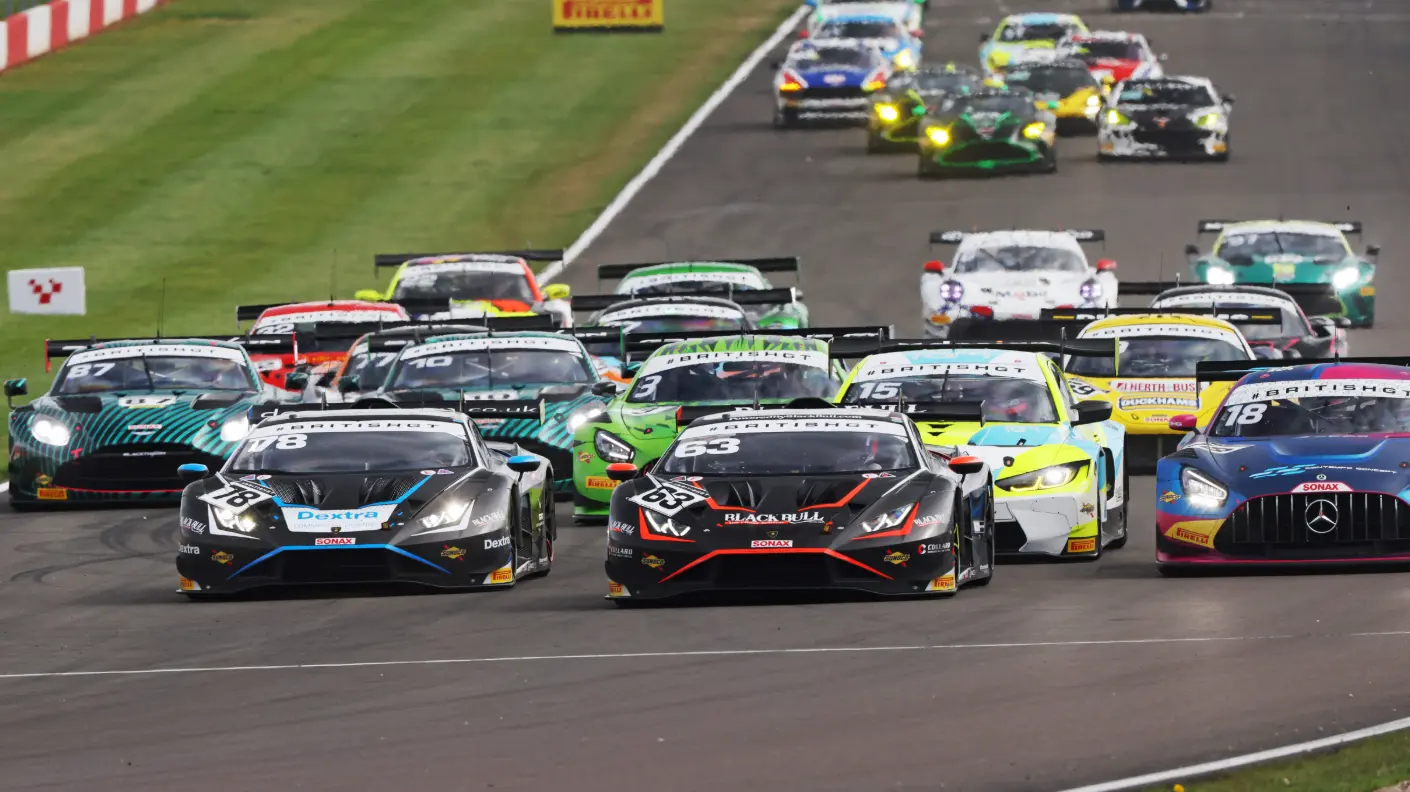
GT3 Explained: What Is a GT3 Car?
|
|
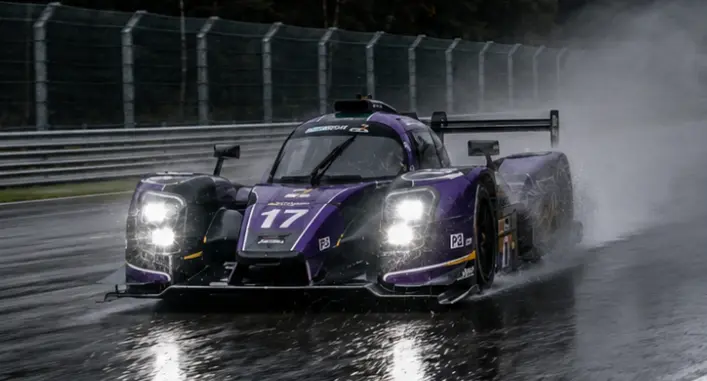
LMP3 Explained: What is an LMP3 Car?
|
|
LMP2 Explained: What is an LMP2 Car?
|
|
NLS Starting Groups Explained
|
|
GT4 Explained: What Is a GT4 Car, and how is it different from GT3?
|
|
What Is the Difference Between GT3 and Cup 2?
|
|
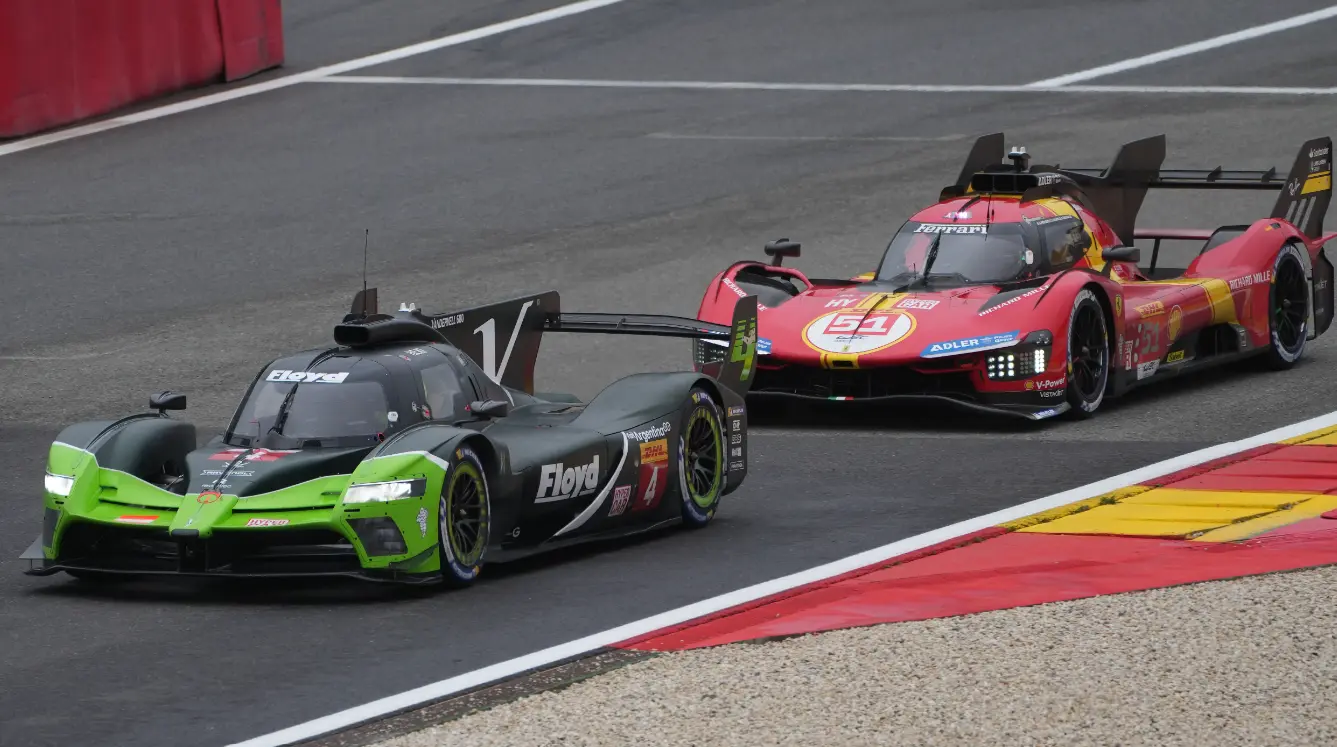
Hypercar Explained: What Is a Hypercar in WEC, IMSA and Le Mans?
|
|
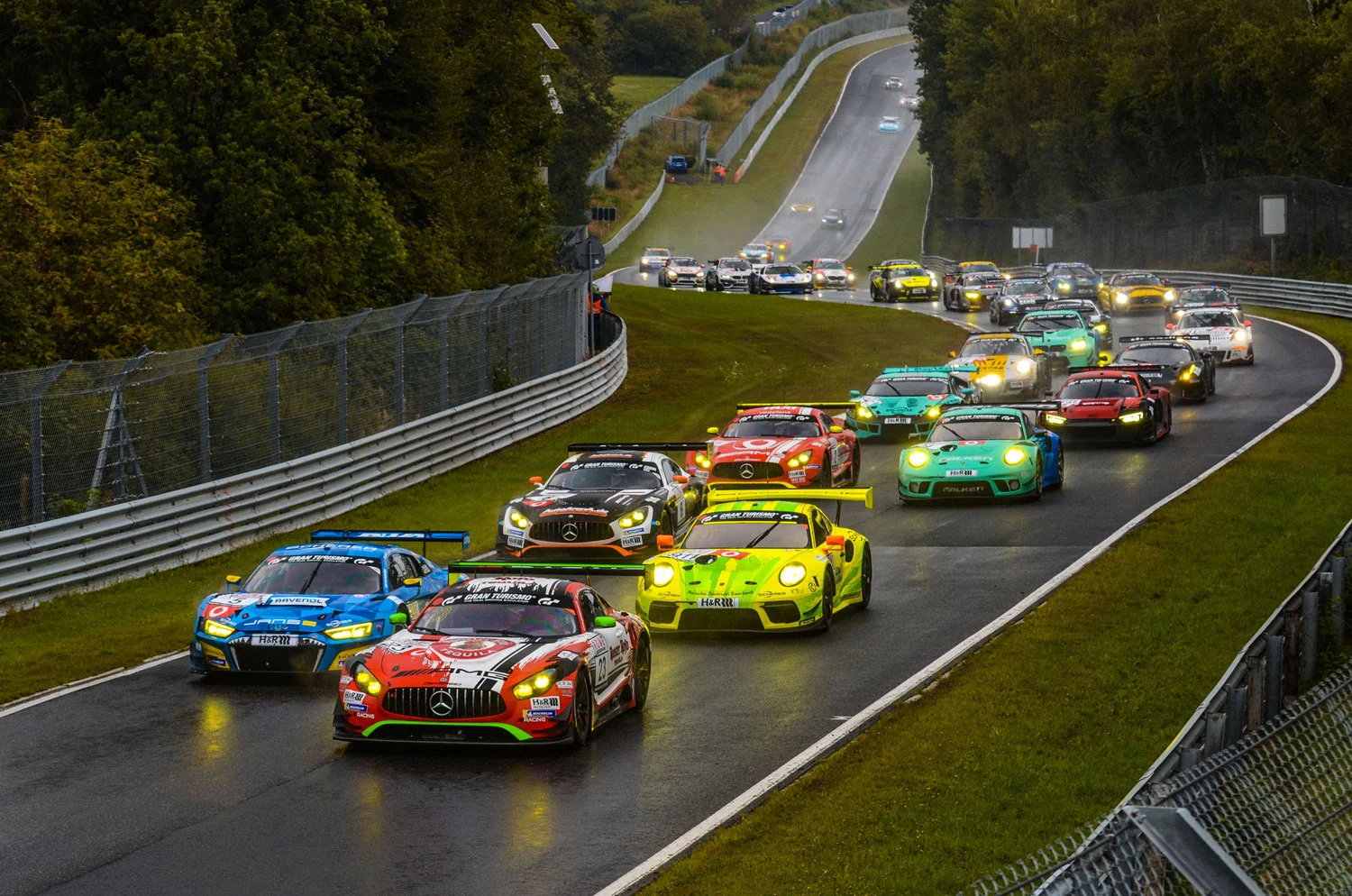
Car Classes of NLS & 24 Hours of Nürburgring Explained
|
Related series

|
International Motor Sports Association
|

|
World Endurance Championship
|